

Choosing between ICSI vs IVF is one of the most important decisions couples face when starting their fertility journey. Both procedures—intracytoplasmic sperm injection (ICSI) and in vitro fertilization (IVF)—belong to the same family of assisted reproductive technologies (ART). However, their approaches to fertilization differ significantly, and understanding these distinctions is crucial for selecting the treatment that best aligns with your medical needs and personal goals.
For many couples, the choice between IVF or ICSI can be influenced by factors like sperm quality, egg health, previous treatment outcomes, or even personal preference. While IVF mimics natural conception in a controlled laboratory environment, ICSI takes fertilization one step further by manually injecting a single sperm into an egg. This precision technique can increase fertilization success for couples dealing with male-factor infertility or past IVF failures. Yet, it’s not always the best or necessary choice for every patient.
Table of Contents
How Fertilization Occurs: The Fundamental Difference Between IVF and ICSI
In reproductive medicine, the method of fertilization is the defining line between in vitro fertilization and intracytoplasmic sperm injection. Although both share common preparatory stages—ovarian stimulation, egg retrieval, and embryo culture—the actual fertilization process sets them apart.

Conventional IVF: The “Petri Dish” Method of Natural Selection
In a conventional IVF cycle, eggs are collected from the ovaries and placed in a petri dish with thousands of prepared sperm cells. Fertilization occurs naturally when one sperm successfully penetrates the egg’s outer layer. This process allows for a form of “natural selection,” where only the strongest sperm fertilizes the egg, closely mimicking what happens in the body.
For couples without male infertility, this method often works well. IVF treatment is particularly effective when sperm count and motility are within normal ranges, and the female partner has healthy eggs and clear fallopian tubes. The embryos that develop are then carefully monitored and later transferred to the uterus for implantation.
Intracytoplasmic Sperm Injection (ICSI): The Direct Injection Technique
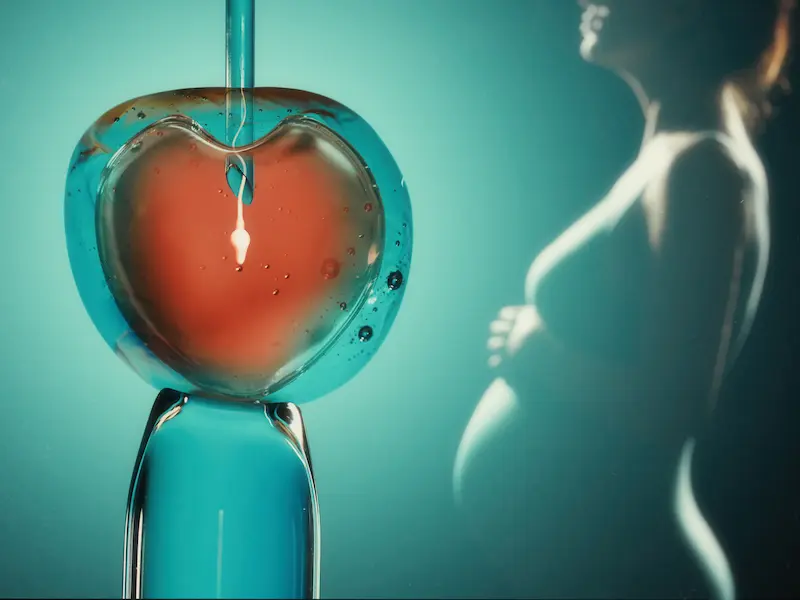
In contrast, ICSI involves the direct injection of a single sperm into a mature egg using a fine glass needle under a high-powered microscope. This ICSI procedure bypasses the natural fertilization process entirely, ensuring that even sperm with low motility or abnormal morphology can fertilize the egg.
This approach was developed to help couples facing male factor infertility, such as low sperm count, poor motility, or issues with sperm structure. The technique has revolutionized treatment for many patients who previously had little chance of biological conception.
A Visual Step-by-Step: Comparing the Laboratory Procedures
The difference between IVF and ICSI becomes even clearer in the laboratory setting. In IVF, technicians allow sperm and egg to interact naturally within the culture dish, observing which eggs fertilize over the next 18 to 24 hours. In IVF with ICSI, embryologists select one healthy sperm and inject it directly into the egg’s cytoplasm under micromanipulation tools.
Both methods then follow the same path: embryo culture, grading, and transfer into the uterus. While ICSI ensures fertilization in nearly all injected eggs, it does not automatically guarantee higher pregnancy rates. Success depends on the overall quality of both eggs and sperm, as well as the expertise of the embryology team.
When Is ICSI Recommended? Key Indicators for Your Fertility Treatment
Deciding whether ICSI or IVF is the right choice depends largely on your fertility diagnosis. While both are powerful tools in assisted reproduction, intracytoplasmic sperm injection (ICSI) is typically reserved for situations where conventional in vitro fertilization (IVF) may not be effective. Understanding when ICSI is recommended can help you make a confident and informed decision together with your fertility specialist.
In most cases, ICSI is suggested when there is a significant issue with sperm quality or when prior IVF attempts have failed to achieve fertilization. However, it can also be a strategic choice in other specific medical scenarios, such as the use of frozen sperm, eggs, or genetic testing requirements.
Male Factor Infertility: The Primary Reason for Choosing ICSI
The most common reason for using ICSI treatment is male factor infertility, which accounts for nearly 40–50% of infertility cases worldwide. Male factor infertility can arise from various conditions, including low sperm count (oligospermia), poor motility (asthenozoospermia), or abnormal sperm morphology (teratozoospermia).
In these cases, natural fertilization in an IVF cycle may be unlikely because the sperm struggle to penetrate the egg’s outer layer. Through ICSI, embryologists can bypass this barrier by directly injecting a single healthy sperm into the egg, greatly improving the chances of fertilization.
Even men with extremely low sperm counts or those who have undergone procedures like testicular sperm extraction (TESE) or microsurgical epididymal sperm aspiration (MESA) can still become biological fathers through ICSI. This level of precision makes intracytoplasmic sperm injection one of the most transformative advancements in reproductive medicine.
When Conventional IVF Fails: Previous Fertilization Issues
Sometimes, couples who undergo a standard in vitro fertilization cycle experience fertilization failure despite having healthy eggs and sperm. This can be devastating after an otherwise successful egg retrieval. In such cases, fertility specialists may recommend ICSI for the next cycle to eliminate the fertilization barrier.
Previous IVF failures often indicate subtle sperm-egg interaction issues that are not always visible in standard tests. Switching to ICSI in the following attempt can ensure that fertilization occurs more reliably, reducing the risk of another unsuccessful cycle.
Other Important Factors: Frozen Sperm and Preimplantation Genetic Testing (PGT)
Another scenario where ICSI becomes the preferred choice involves the use of frozen or thawed sperm. Sperm that have been cryopreserved for cancer treatment, vasectomy, or sperm donation may lose some motility after thawing. Injecting the sperm directly into the egg helps overcome this challenge and increases fertilization rates.
Additionally, IVF with ICSI is often recommended when performing preimplantation genetic testing (PGT). This advanced genetic screening examines embryos for chromosomal abnormalities before implantation. Using ICSI in these cases prevents the risk of contaminating genetic material from multiple sperm, ensuring accurate test results.
Can You Request ICSI Without a Specific Medical Reason?
Some couples request ICSI even when there are no obvious sperm issues, believing that it will automatically increase their chances of pregnancy. However, most fertility experts caution that ICSI should be used only when medically justified. Studies show that ICSI vs IVF success rates are comparable in cases without male infertility.
Choosing the right approach requires a personalized assessment by your fertility doctor. While ICSI offers incredible benefits for specific cases, IVF remains highly effective for couples with unexplained or female-related infertility. The decision should always balance scientific evidence, clinical indication, and individual goals.
Success Rates Demystified: A Data-Driven Look at IVF vs. ICSI
For couples comparing ICSI vs IVF, understanding the success rates of each method is essential to setting realistic expectations. While both treatments share similar stages—egg retrieval, fertilization, embryo culture, and transfer—their success ultimately depends on biological and clinical factors such as sperm quality, egg health, age, and underlying fertility conditions. Contrary to popular belief, ICSI does not always guarantee a higher pregnancy rate, even though it improves the chances of fertilization.
Both procedures have transformed fertility outcomes worldwide, but the statistics must be interpreted carefully. Fertilization success and live birth rates represent two distinct metrics that influence how effective a treatment truly is.
Fertilization Rates vs. Live Birth Rates: Understanding the Key Metrics
One of the most misunderstood aspects of ICSI vs IVF success rates lies in the difference between fertilization and live birth outcomes. With intracytoplasmic sperm injection, fertilization rates are often higher because embryologists control the process directly. On average, ICSI achieves fertilization in about 70 to 85 percent of retrieved eggs, while conventional in vitro fertilization ranges between 50 and 75 percent.
However, this higher fertilization rate does not always translate into higher live birth rates. Research indicates that when male factor infertility is not an issue, IVF and ICSI result in similar pregnancy and birth outcomes. The deciding factors are usually the age of the female partner and the quality of the eggs rather than the technique used for fertilization.
This means that while ICSI may increase the number of embryos available, the ultimate success of implantation and live birth remains dependent on embryo health, uterine environment, and laboratory quality.
How Does Male Factor Infertility Affect the Comparison?
When male infertility is the root cause, ICSI clearly holds an advantage. Conditions such as severe oligospermia, poor motility, or even obstructive azoospermia can prevent fertilization in a standard IVF cycle. By directly injecting a single sperm into the egg, ICSI overcomes this barrier and makes conception possible for couples who would otherwise have no alternative.
In these cases, ICSI success rates often surpass those of conventional IVF. Studies show that couples dealing with male factor infertility can achieve live birth rates close to those of couples with normal sperm parameters once ICSI is applied. This finding underscores how intracytoplasmic sperm injection can equalize fertility chances for male-related conditions.
The Impact of Age and Egg Quality on Success in Both Procedures
Age remains the most influential factor in fertility outcomes, regardless of whether you choose IVF or ICSI. Women under 35 typically experience higher success rates, often reaching 45 to 55 percent per cycle, while rates decline steadily after the age of 40 due to reduced egg quality.
Poor egg quality affects both IVF and ICSI equally because it limits embryo viability. Although ICSI ensures fertilization, it cannot compensate for genetic or chromosomal issues inherent in aged or poor-quality eggs. Therefore, age-related decline impacts both procedures in a similar manner.
Some clinics combine IVF with ICSI for selected eggs as part of a personalized treatment plan. This hybrid approach allows embryologists to compare fertilization outcomes in the same cycle and optimize results for future treatments.
Weighing the Pros and Cons: Costs, Risks, and Potential Benefits
When comparing ICSI vs IVF, it’s essential to evaluate the overall picture beyond fertilization methods and success statistics. Cost, potential risks, and the specific advantages for your fertility diagnosis all play a crucial role in deciding which treatment aligns best with your goals. While both procedures are highly advanced, each comes with unique considerations that affect the patient experience and final outcome.
Understanding these practical differences helps couples make informed decisions grounded in medical reasoning rather than assumptions. Whether you’re concerned about budget, safety, or long-term results, examining these factors will clarify what to expect from each treatment.
Financial Considerations: Is ICSI More Expensive Than IVF?
The most noticeable distinction between in vitro fertilization and intracytoplasmic sperm injection is cost. Since ICSI requires specialized laboratory equipment, micromanipulation tools, and additional embryologist time, it is typically more expensive than standard IVF. On average, ICSI adds about 15–25 percent to the total cost of a fertility cycle, depending on the clinic and country.
For example, if a standard IVF cycle costs $4,000–$6,000, incorporating ICSI may increase the total to $5,000–$7,500. Despite the higher cost, many patients find the additional investment worthwhile when male factor infertility is present or when previous IVF attempts have failed to achieve fertilization.
Couples without male infertility, however, should discuss the necessity of ICSI with their doctor. When the indication is not clear, traditional IVF may achieve comparable results at a lower cost, making it the more economical option.