Choosing between awake craniotomy in Turkey and Gamma Knife radiosurgery can be a life-changing decision for patients diagnosed with brain tumors or other neurological conditions. Both treatments aim to protect brain function while removing or controlling the tumor, yet they differ greatly in their approach, invasiveness, and recovery process. Understanding how these two advanced neurosurgical methods compare is the first step toward making an informed decision about your treatment journey.
Table of Contents
Understanding the Procedures: Surgical Removal vs. Non-Invasive Radiation
Modern neurosurgery offers multiple ways to treat brain tumors, depending on their size, type, and location. While traditional surgery involves physical removal of the tumor, non-invasive methods like Gamma Knife radiosurgery deliver focused radiation without opening the skull. Both procedures have been refined in Turkey’s top neurosurgical hospitals, offering high success rates and personalized care.
What is an Awake Craniotomy? The Surgical Approach
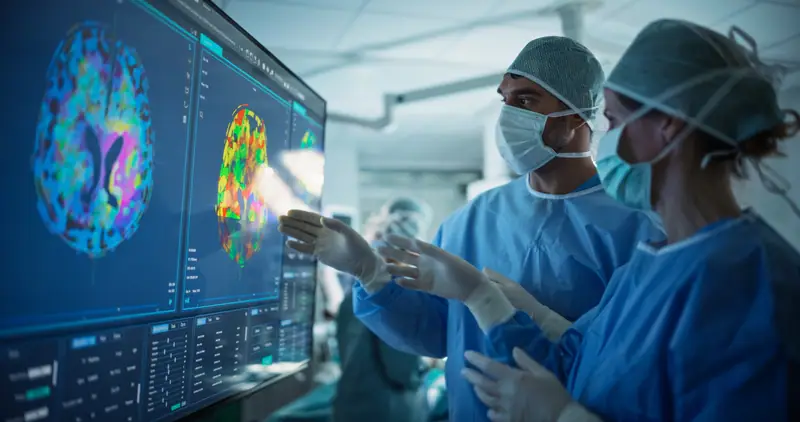
An awake craniotomy is a delicate and precise surgical procedure where the patient remains conscious during part of the operation. The goal is to safely remove brain tumors or lesions that are located near critical areas responsible for speech, movement, or sensory functions. During surgery, the neurosurgeon opens a small section of the skull while the patient is awake but under local anesthesia and sedation.
By interacting with the surgical team, the patient helps the neurosurgeon identify which brain areas control essential functions. This real-time feedback allows the best neurosurgeons in Istanbul to remove as much of the tumor as possible while preserving speech and motor abilities. Awake craniotomy in Turkey has become increasingly popular among international patients due to its precision, shorter hospital stays, and favorable recovery outcomes.
Why Must You Be “Awake” for a Craniotomy?
Being awake during the operation allows surgeons to map and protect functional regions of the brain. When a tumor is close to areas that control language or movement, continuous neurological monitoring is critical. Patients may be asked to count, talk, or move a limb so surgeons can ensure these vital pathways remain unharmed. This is what makes awake craniotomy in Turkey a preferred technique for complex or high-risk cases involving eloquent brain areas.
In contrast, traditional surgery under general anesthesia does not allow this direct interaction. Awake procedures reduce the likelihood of permanent neurological deficits, offering a safer alternative when precision is essential.
What is Gamma Knife Radiosurgery? The Non-Invasive Alternative
Unlike open surgery, Gamma Knife treatment uses highly focused beams of gamma radiation to target and destroy tumor cells without making any incisions. It is a form of stereotactic radiosurgery, meaning it delivers radiation with extreme accuracy to a pinpointed area of the brain. Patients typically lie inside a specialized head frame or mask while hundreds of small radiation beams converge precisely on the tumor.
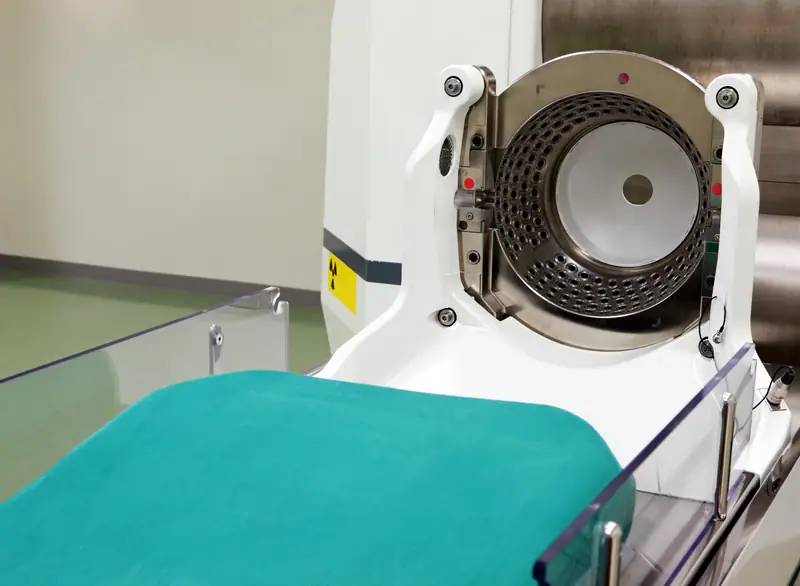
Gamma Knife for brain tumor treatment in Turkey is often performed as an outpatient procedure, with no need for hospitalization or general anesthesia. It is best suited for patients with small or deep-seated tumors, metastatic brain lesions, arteriovenous malformations (AVMs), or trigeminal neuralgia.
Tumor Removal (Craniotomy) vs. Tumor Control (Gamma Knife)
While both treatments share the same objective—to eliminate or control abnormal brain tissue—their methods differ fundamentally. Awake craniotomy physically removes the tumor, providing immediate results and tissue samples for biopsy. This makes it ideal for larger or more accessible tumors.
Gamma Knife, on the other hand, does not remove the tumor but stops its growth by damaging the DNA of abnormal cells, which die off over time. It is a gradual, controlled process that can take several months to show results. The Gamma Knife vs open brain surgery comparison ultimately depends on the tumor’s nature and the patient’s health status.
Patients seeking brain tumor treatment in Turkey benefit from multidisciplinary evaluations where neurosurgeons, radiation oncologists, and neuroradiologists collaborate to recommend the safest and most effective option.
Awake Craniotomy vs. Gamma Knife
Both awake craniotomy in Turkey and Gamma Knife radiosurgery have transformed how neurosurgeons treat brain tumors. Each method has unique advantages, and understanding these differences helps patients make confident, personalized decisions. Below, we compare the two based on invasiveness, recovery, anesthesia, and long-term outcomes.
Invasiveness and Incision
An awake craniotomy is an open surgical procedure, meaning it involves making an incision in the scalp and temporarily removing a small section of the skull to access the tumor. Although it may sound intimidating, modern techniques used in Turkey’s top neurosurgery centers ensure minimal scarring and reduced recovery time. The main advantage is direct visualization—surgeons can physically remove the tumor while preserving vital brain functions through real-time patient interaction.
By contrast, Gamma Knife radiosurgery is completely non-invasive. There are no cuts, stitches, or hospital stays. Instead, multiple beams of gamma radiation converge at a single point to destroy tumor cells. The skin remains intact, making it ideal for patients who cannot undergo open surgery or have medical conditions that increase surgical risk.
The choice between Gamma Knife vs. open brain surgery largely depends on tumor type and accessibility. Tumors located deep within the brain or near critical areas may benefit more from Gamma Knife, while surface or large masses often require surgical removal through awake craniotomy.
Procedure Time and Hospital Stay
The time and setting of these procedures vary significantly. Awake craniotomy in Turkey typically lasts between 3 and 6 hours, depending on tumor size and location. After surgery, patients usually stay in the hospital for 3–5 days for monitoring and rehabilitation. Turkish hospitals emphasize early mobility and neurologic recovery, allowing most patients to resume light activities within a few weeks.
Gamma Knife treatment, on the other hand, is completed in a single outpatient session that usually takes one to two hours. Patients are discharged the same day, often returning to normal routines the following day. This makes it especially attractive for international patients traveling to Turkey for brain tumor treatment who wish to minimize downtime.
When comparing both, Gamma Knife offers shorter procedure and recovery times, while awake craniotomy provides more immediate results when tumor removal is essential.
Anesthesia: General Anesthesia vs. Local Sedation
An important difference between the two treatments is the type of anesthesia. Awake craniotomy is performed using local anesthesia combined with conscious sedation. The patient remains awake but pain-free during the critical phase of the operation. This allows the best neurosurgeons in Istanbul to map brain functions in real-time, ensuring that vital areas controlling speech, vision, and movement remain unharmed.
Gamma Knife radiosurgery, in contrast, requires no anesthesia for most adults. Patients simply wear a lightweight head frame or mask to stabilize the head while receiving focused radiation. Only mild sedation is sometimes used for comfort. This feature makes it suitable for elderly patients or those with chronic health conditions who may not tolerate anesthesia well.
Recovery Time: Getting Back to Your Life
Recovery after awake craniotomy in Turkey is generally faster than traditional brain surgery but still requires several weeks of healing. Patients may experience mild fatigue, headaches, or temporary speech difficulties, which usually improve with rehabilitation. Full recovery often takes four to six weeks, depending on the complexity of the surgery.
Meanwhile, Gamma Knife recovery time is remarkably short. Most patients resume normal activities within 24 to 48 hours. Side effects are minimal—occasionally mild swelling or fatigue—which resolve quickly. However, the results of Gamma Knife are gradual. Tumor shrinkage or growth control can take several months to assess through follow-up MRI scans.
In summary, awake craniotomy offers immediate results but requires a longer recovery, while Gamma Knife radiosurgery offers a gentler, outpatient alternative with minimal downtime.
Potential Risks and Side Effects of Each Treatment
Every medical procedure carries potential risks, though both treatments are considered extremely safe when performed by experienced neurosurgeons.
For awake craniotomy, risks include infection, bleeding, or temporary neurological changes such as weakness or speech disturbance. These are rare and typically resolve during the recovery period. The awake craniotomy success rate in Turkey is among the highest globally, thanks to advanced intraoperative monitoring and specialized neurosurgical teams.
Gamma Knife risks are minimal but can include localized swelling (edema) or delayed radiation effects, which may require medication. However, no incision means virtually no risk of infection or bleeding.
Ultimately, both treatments are designed with patient safety at their core. Turkey’s neurosurgery centers use cutting-edge technologies and pre-operative imaging to minimize complications and enhance precision.
Who is an Ideal Candidate? Determining the Right Treatment for You
Not every patient with a brain tumor or neurological disorder is suitable for both awake craniotomy in Turkey and Gamma Knife radiosurgery. The choice depends on several medical factors, including the tumor’s size, type, and proximity to vital brain areas, as well as the patient’s general health and treatment goals. Understanding who benefits most from each option is crucial before making a decision.
When is Awake Craniotomy the Best Option?
Awake craniotomy is ideal for patients whose brain tumors are located near regions responsible for essential functions such as language, vision, or movement. By keeping the patient awake during the procedure, surgeons can directly monitor neurological responses and prevent damage to these critical areas.
Patients with gliomas, meningiomas, and metastatic brain tumors are often candidates for this approach, especially when complete surgical removal can significantly improve prognosis. Additionally, patients who need immediate tumor decompression or tissue sampling for diagnosis often benefit from awake surgery.
In Turkey, awake craniotomy success rate continues to rise due to enhanced intraoperative monitoring systems, neuronavigation, and advanced MRI-guided mapping. This ensures a balance between maximum tumor removal and the preservation of normal brain functions, reducing postoperative complications.
Awake craniotomy also suits patients who are young, medically stable, and capable of cooperating during the procedure. Those who experience severe anxiety or have communication barriers may find it challenging, though Turkish hospitals are skilled in patient preparation and psychological support to ease the experience.
Who is a Better Candidate for Gamma Knife?
Gamma Knife treatment is best for patients who have small or deep-seated tumors, brain metastases, arteriovenous malformations (AVMs), or trigeminal neuralgia. It is particularly beneficial when traditional surgery poses too much risk or when a tumor cannot be safely accessed without damaging critical brain areas.
Patients who cannot tolerate anesthesia, are of advanced age, or have underlying health conditions (such as cardiovascular disease or diabetes) often choose Gamma Knife as a safer alternative. Unlike open surgery, it does not require hospitalization or incisions, making it suitable for those seeking minimal disruption to daily life.
In cases of recurrent tumors after surgery, Gamma Knife radiosurgery can be used as a secondary treatment to prevent regrowth. It also serves as a valuable option for patients who have multiple small lesions, as it can target each area precisely in one session.
Conditions Treated: Brain Tumors, AVMs, and Trigeminal Neuralgia
Both treatments have broad applications, but they target slightly different medical conditions.
Awake craniotomy primarily focuses on:
- Glioblastoma and other gliomas
- Meningioma surgery
- Pituitary tumors when accessible via open methods
- Epileptic focus removal in drug-resistant epilepsy
- Brain metastases when surgical removal provides relief
Gamma Knife is commonly used for:
- Small or deep-seated brain tumors (metastatic, acoustic neuroma, pituitary adenoma)
- AVMs (Arteriovenous malformations)
- Trigeminal neuralgia, a chronic pain disorder
- Post-surgical residual or recurrent tumor control
When comparing awake craniotomy vs. Gamma Knife, the goal of treatment differs slightly: awake surgery aims for tumor removal, while Gamma Knife focuses on tumor control and long-term management.
Why You Might Not Be a Candidate for One
Each procedure has specific limitations. Patients may not qualify for awake craniotomy if the tumor is deep within the brain or located in an area that cannot be safely accessed surgically. Similarly, those who have difficulty remaining still or responding during the procedure may not be suitable candidates.
On the other hand, Gamma Knife treatment may not be effective for large tumors (typically above 3–4 cm) or for cases requiring immediate decompression due to swelling or pressure symptoms. Tumors that need a biopsy for diagnosis also require open surgical access.
In Turkey, every patient undergoes a detailed multidisciplinary evaluation involving neurosurgeons, radiologists, and radiation oncologists before a treatment plan is chosen. This personalized assessment ensures patients receive the safest, most effective therapy for their unique condition.
Whether you are a candidate for awake craniotomy or candidate for Gamma Knife treatment, Turkey’s advanced hospitals provide clear guidance, imaging-based evaluations, and transparent communication at every step of the process.
Why Choose Turkey for Advanced Neurosurgery?
Turkey has become one of the world’s leading destinations for advanced neurosurgical procedures, attracting thousands of international patients each year. From awake craniotomy in Turkey to Gamma Knife radiosurgery, the country combines state-of-the-art medical technology with affordable pricing and internationally accredited standards. Whether patients seek minimally invasive tumor removal or precision radiation therapy, Turkey offers expertise and innovation at every step.
Cost Comparison: Awake Craniotomy & Gamma Knife in Turkey vs. UK/Europe
One of the main reasons patients travel to Turkey for neurosurgery is the significant cost advantage without compromising medical quality. The brain tumor surgery cost in Turkey and Gamma Knife treatment costs are often 50–70% lower than in the UK, Germany, or other parts of Europe.
For example:
- Awake craniotomy in Turkey: typically ranges from $7,000 to $15,000, depending on hospital, surgeon expertise, and case complexity.
- Gamma Knife radiosurgery in Turkey: ranges from $4,000 to $8,000 for a single session
In comparison, these procedures can cost upwards of $30,000–$60,000 in the UK or Western Europe. Yet, Turkish hospitals maintain the same—or even higher—standards thanks to continuous international collaboration and technological investment.
This cost-effectiveness, combined with shorter waiting times and personalized care, makes Turkey one of the most attractive destinations for brain tumor treatment and other neurosurgical interventions.
Access to JCI-Accredited Hospitals and World-Class Neurosurgeons
Turkey’s top neurosurgical centers in Istanbul, Ankara, and Izmir are JCI-accredited, ensuring compliance with strict international healthcare standards. Patients are treated by highly skilled specialists trained in the U.S. or Europe, often recognized as the best neurosurgeons in Istanbul.
These specialists use neuronavigation systems, intraoperative MRI, and brain-mapping technologies to enhance surgical precision. For awake craniotomy procedures, multidisciplinary teams—comprising neurosurgeons, anesthesiologists, and neuropsychologists—collaborate seamlessly to ensure optimal outcomes.
Meanwhile, Gamma Knife centers in Turkey feature the latest models such as Elekta Perfexion and Icon systems, allowing submillimeter accuracy in radiation delivery. This technology ensures that healthy tissue remains unaffected while precisely targeting tumor cells.
Patients benefit from comprehensive pre-operative evaluations, continuous monitoring, and post-treatment rehabilitation programs that rival those offered in the best hospitals in Europe or the U.S.
Advanced Technology
Turkey’s hospitals are among the most technologically advanced in the region. Facilities offering Gamma Knife vs. open brain surgery procedures are equipped with digital imaging suites, intraoperative neuro-navigation, and 3D brain-mapping software.
The awake craniotomy success rate is exceptionally high due to intraoperative MRI and real-time cortical stimulation monitoring, which help surgeons preserve speech and motor functions during tumor removal.
Similarly, Gamma Knife treatment in Turkey benefits from advanced stereotactic planning systems and image-guided radiation delivery. These innovations reduce the risk of complications, shorten treatment time, and provide excellent tumor control rates, particularly for gliomas, AVMs, and trigeminal neuralgia.
All-Inclusive Packages for International Patients
Medical tourism in Turkey is designed for comfort and transparency. Hospitals and major Turkish medical centers offer all-inclusive packages that cover:
- Doctor consultations and pre-operative imaging (MRI, CT, PET-CT)
- Surgery or Gamma Knife procedure
- Hospital stay and recovery suite
- Translation and international patient coordination
- Airport transfers and accommodation arrangements
These packages make it easier for patients traveling from abroad to manage the entire process—from diagnosis to recovery—without hidden costs. With multilingual staff and seamless logistics, Turkey offers a stress-free medical journey that prioritizes patient safety and convenience.