Skip to content

Choosing where to have brain surgery is one of the most important decisions a patient will make. This guide explains how brain tumor surgery in Turkey combines advanced technology, experienced teams, and clear pathways from diagnosis to recovery so you can make a confident, informed choice.
Table of Contents
Why Choose Turkey for Brain Tumor Surgery?
Turkey has built a strong international reputation in complex neurosurgery by pairing modern infrastructure with highly trained specialists. Patients come for quality, technology, and outcomes, and they also appreciate the well-organized logistics that make care accessible from abroad. Many centers hold international accreditations and maintain dedicated neuro-oncology programs that manage the entire journey from imaging to rehabilitation.
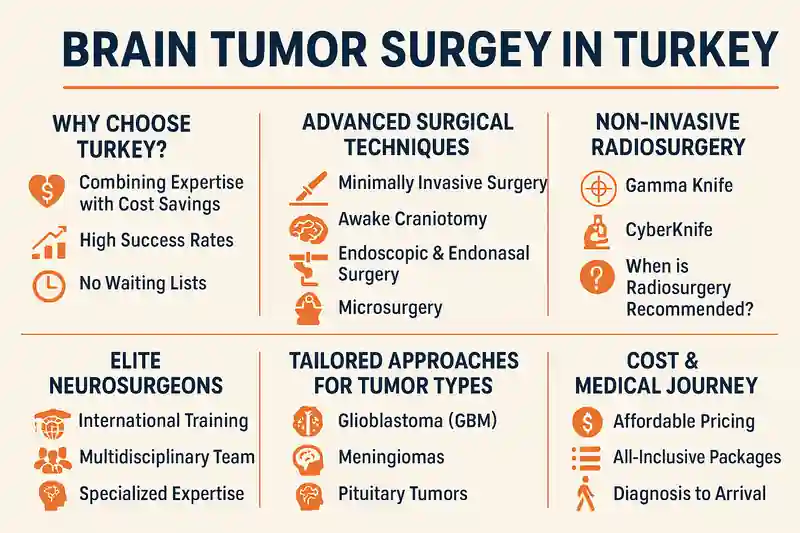
Combining World-Class Expertise with Significant Cost Savings
Patients often compare destinations based on clinical outcomes and total cost. In Turkey, reputable hospitals offer neurosurgical programs led by surgeons trained in Europe and North America, while package pricing keeps overall expenses markedly lower than in the United States or Western Europe. Independent aggregators that track real prices across hospitals report typical ranges for craniotomy and tumor removal that are a fraction of US averages, creating meaningful savings without compromising quality.
For many families this difference frees up budget for additional services such as advanced imaging, extended inpatient monitoring, or early rehabilitation, all within one coordinated plan. When combined with transparent quotes, English-speaking case managers, and streamlined scheduling, brain tumor treatment in Turkey becomes a practical choice for patients seeking value and safety together.
High Success Rates in Complex Neurosurgery
Clinical success in tumor surgery depends on surgeon experience, the hospital’s case volume, and access to intraoperative guidance. Turkey’s leading centers emphasize technologies such as intraoperative MRI, neuronavigation, and real-time neuromonitoring to maximize the extent of resection while protecting function. Published work from Turkish neurosurgery teams documents the use of intraoperative MRI to improve resection control and decision-making during surgery. These capabilities support high-quality care for challenging tumors including gliomas and skull-base lesions.
Hospitals also adopt standardized protocols for complex cases like glioblastoma treatment and meningioma surgery, integrating surgery with adjuvant radiotherapy and chemotherapy when indicated. This multidisciplinary model aligns with international best practices and helps maintain strong oncologic control while minimizing complications.
No Waiting Lists: Immediate Access to Advanced Care
One of the most cited advantages of brain tumor surgery in Istanbul and other major Turkish cities is rapid access. Private tertiary hospitals schedule advanced imaging and surgical dates quickly, which is especially important for tumors that are growing or causing neurological symptoms. Many institutions hold international accreditation from the Joint Commission International, signaling continuous quality oversight and patient safety systems that enable efficient, reliable pathways from consultation to operating room.
Fast-track coordination typically includes remote file review, a target surgery window, and concierge support for travel and accommodation. For patients needing minimally invasive brain surgery in Turkey, including endoscopic endonasal approaches for pituitary lesions, timely booking can translate into shorter symptom duration and earlier return to daily activities.
Advanced Surgical Techniques for Maximum Precision
Turkey’s neurosurgery departments have adopted state-of-the-art methods that merge precision, safety, and faster recovery. Each technique is chosen according to tumor type, location, and proximity to vital brain structures. From minimally invasive brain surgery in Turkey to advanced microscopic operations, the focus is to remove as much of the tumor as possible while preserving brain function.
Minimally Invasive Neurosurgery: Smaller Incisions, Faster Recovery
Minimally invasive neurosurgery involves small openings and specialized instruments that allow surgeons to access the tumor with minimal disruption to surrounding tissues. Patients benefit from shorter hospital stays, less pain, and quicker rehabilitation. Turkish hospitals use neuronavigation and endoscopy to reach deep-seated tumors, such as those in the ventricular system or near the skull base, through narrow corridors. This approach has become standard for patients seeking brain tumor treatment in Turkey that prioritizes both safety and cosmetic outcomes.
Awake Craniotomy: Protecting Critical Brain Functions
Awake craniotomy represents one of the most remarkable advances in modern neurosurgery. During this procedure, patients are kept awake under local anesthesia while the surgical team stimulates specific areas of the brain to ensure speech, movement, and vision are not affected. It is particularly valuable for tumors near functional zones, such as speech centers or motor pathways.
Hospitals performing brain tumor surgery in Turkey have refined awake mapping protocols, supported by real-time language testing and neurophysiological monitoring. This ensures that tumor removal is maximized without compromising essential abilities—a factor that greatly enhances post-operative quality of life.
Endoscopic & Endonasal Surgery: The “No-Scar” Approach for Pituitary Tumors
The evolution of pituitary tumor surgery has shifted toward endoscopic and endonasal approaches that completely avoid external incisions. Surgeons reach the tumor through the nasal cavity using tiny cameras and instruments, providing panoramic visualization of the target area. This “no-scar” technique drastically reduces recovery time and eliminates visible scars on the scalp or face.
Leading Turkish neurosurgery centers in Istanbul and Ankara have become known for these procedures, combining the expertise of ENT surgeons and neurosurgeons in the same operating room. For tumors like pituitary adenomas or skull base meningiomas, this collaboration allows safer and more complete resections.
Microsurgery: Using High-Powered Microscopes for Delicate Procedures
Microsurgical techniques remain the gold standard for many intracranial tumors, including gliomas, meningiomas, and acoustic neuromas. Using an operating microscope, surgeons can magnify the surgical field up to 40 times, ensuring unmatched precision in differentiating tumor tissue from healthy brain matter.
Turkish hospitals utilize high-end microscope systems integrated with fluorescence visualization, where dyes like 5-ALA highlight cancerous cells. This enhances surgical accuracy and helps achieve “total resection,” a key factor in long-term tumor control. For complex cases such as glioblastoma treatment, this precision directly contributes to improved survival rates.
Inside the Operating Room: How Technology Ensures Safety
Modern neurosurgery in Turkey integrates digital imaging and real-time guidance to ensure optimal outcomes. Each step of the operation—from planning to closure—is supported by cutting-edge devices that minimize risks and maximize precision.
Intraoperative MRI (iMRI)Intraoperative MRI (iMRI)
Intraoperative MRI allows the surgeon to scan the brain during surgery, verifying tumor removal before completing the operation. This reduces the need for second surgeries and ensures more accurate results. Hospitals offering brain tumor surgery in Turkey increasingly feature hybrid operating rooms equipped with movable MRI scanners.
Neuronavigation Systems
Neuronavigation works like a GPS for the brain. It uses preoperative imaging to create a 3D map that guides the surgeon’s tools. The technology updates in real time as the operation proceeds, helping to maintain orientation even if the brain shifts slightly during surgery. This is particularly important in meningioma surgery and other deep-seated lesions.
Advanced Neuromonitoring
Continuous neurophysiological monitoring tracks the electrical activity of brain and spinal cord pathways, warning the team immediately if critical areas are at risk. It’s an essential safeguard during minimally invasive brain surgery in Turkey, ensuring that vital functions remain intact.
Fluorescence-Guided Surgery (Gliolan)
Fluorescence-guided surgery involves administering a special dye (5-ALA) that causes tumor cells to glow under a blue light microscope. This helps surgeons distinguish malignant tissue from normal brain tissue, especially in glioblastoma treatment. The use of this technology has significantly improved the accuracy of tumor resections in Turkey’s top neurosurgery hospitals.
Non-Invasive Radiosurgery Options
Not every brain tumor requires open surgery. Turkey’s top hospitals have introduced non-invasive radiosurgery systems that destroy tumors with pinpoint accuracy, without any incisions or hospital stay. These methods are ideal for patients whose tumors are in hard-to-reach areas or who cannot undergo traditional surgery due to age or health conditions.
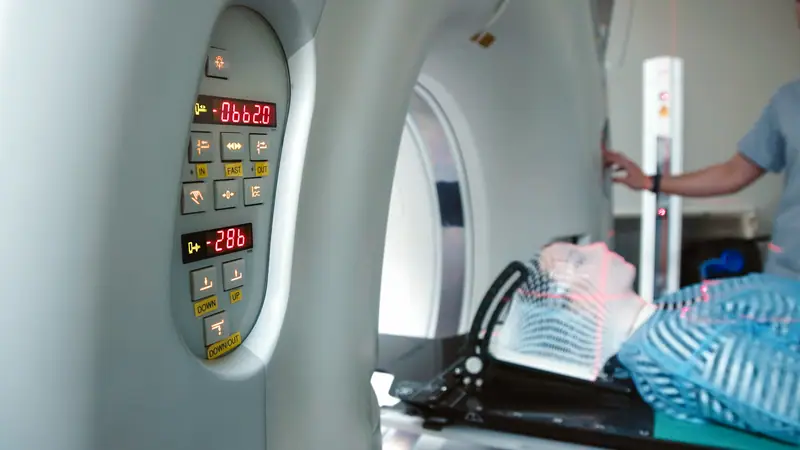
What is Gamma Knife? A Precision Radiation Treatment
Gamma Knife is a highly specialized radiosurgery system that uses over 190 focused beams of gamma radiation to precisely target brain lesions. Despite its name, it involves no cutting—patients simply wear a lightweight head frame while the machine delivers radiation directly to the tumor.
In Turkey, hospitals in Istanbul, Ankara, and Antalya use the latest Gamma Knife Perfexion and Icon models. These systems allow sub-millimeter accuracy and are often used for small meningiomas, acoustic neuromas, pituitary adenomas, and metastases. The treatment is completed in a single session, and patients typically go home the same day.
How CyberKnife Targets Inoperable or Complex Tumors
CyberKnife is another advanced option available in Turkish neurosurgery centers. Unlike Gamma Knife, it uses a robotic arm that can move around the patient’s head to deliver radiation from multiple angles. This flexibility makes it suitable for irregularly shaped or moving targets, including those near critical brain structures.
Patients with glioblastoma, recurrent tumors, or inoperable metastases often benefit from CyberKnife. The system continuously tracks the tumor during treatment, adjusting its beams in real-time. Turkey’s CyberKnife centers have earned recognition for combining oncology, radiology, and physics expertise to personalize every treatment plan.
When is Radiosurgery Recommended Over Traditional Surgery?
Radiosurgery is typically recommended for:
- Tumors smaller than 3–4 cm in diameter.
- Patients unfit for anesthesia or open surgery.
- Tumors located near vital regions like the brainstem or optic nerve.
- Recurrent tumors after prior operations.
While it cannot remove large tumors, it can shrink or stabilize growth effectively. For example, meningioma surgery may sometimes be replaced by radiosurgery for smaller lesions. Patients appreciate that these procedures have no visible scars, minimal discomfort, and zero hospitalization time.
Combining Surgery with Radiotherapy for Comprehensive Treatment
The best outcomes often arise from combining different methods. Many hospitals offering brain tumor surgery in Turkey provide integrated protocols where surgical removal is followed by targeted radiosurgery or conventional radiotherapy. This dual approach ensures both visible and microscopic tumor cells are addressed, improving long-term control.
For aggressive conditions like glioblastoma treatment, neurosurgeons, radiation oncologists, and neuro-oncologists collaborate closely to define the exact sequence of therapies. The patient benefits from continuity of care and coordinated medical planning—a key feature of Turkey’s multidisciplinary neurosurgery programs.
Meet Turkey’s Elite Neurosurgeons: The “Expert Care” Advantage
Behind every successful brain surgery is a skilled, coordinated team. The country’s top hospitals employ some of the best neurosurgeons in Turkey for brain tumor care, many of whom have trained or practiced in Germany, the United States, or the United Kingdom. Their international experience ensures patients receive Western-level quality combined with the warmth and accessibility of Turkish healthcare.
Profiles of Internationally Trained and Board-Certified Surgeons
Turkish neurosurgeons performing brain tumor surgery in Istanbul are typically members of international organizations such as the European Association of Neurosurgical Societies (EANS) or the Congress of Neurological Surgeons (CNS). Their global exposure allows them to implement the latest protocols in neuro-oncology, intraoperative monitoring, and advanced imaging-guided surgery.
Many are subspecialized—some focus exclusively on glioblastoma treatment, others on pediatric neurosurgery or skull base operations. Patients receive individualized attention from professionals who have managed thousands of similar cases.
The Multidisciplinary Team: Your Neuro-oncologist, Radiologist, and Pathologist
Effective brain tumor treatment in Turkey doesn’t depend solely on one surgeon—it’s a coordinated effort among experts.
- Neuro-oncologists determine adjuvant therapy options.
- Neuroradiologists interpret high-resolution MRIs and intraoperative scans.
- Neuropathologists analyze tissue samples for precise tumor grading.
- Rehabilitation specialists and psychologists support long-term recovery.
This multidisciplinary collaboration ensures every decision—from surgical extent to postoperative care—is evidence-based and personalized.
Specializations: Skull Base Surgery, Pediatric Neurosurgery, and Neuro-oncology
Turkey also stands out for its range of neurosurgical sub-disciplines.
- Skull Base Surgery: Used for deep-seated tumors like acoustic neuromas and pituitary adenomas.
- Pediatric Neurosurgery: Focused on congenital brain tumors and rare childhood conditions, managed with gentle, minimally invasive techniques.
- Neuro-oncology: Comprehensive care for malignant tumors such as gliomas, including chemotherapy coordination and genetic profiling.
With dedicated centers of excellence, patients receive precise and compassionate care, whether they need complex skull base resection or delicate pediatric neurosurgery.
Tailored Surgical Approaches for Different Brain Tumor Types
Every tumor behaves differently, which is why brain tumor surgery in Turkey is always personalized. Surgeons plan each operation based on the tumor’s size, location, and biological behavior. This individualized approach—supported by modern imaging, molecular pathology, and intraoperative technology—ensures maximum tumor removal while preserving neurological function.
Surgical Treatment for Glioblastoma (GBM)
Glioblastoma multiforme (GBM) is one of the most aggressive brain tumors, requiring precise surgery followed by adjuvant therapies. Turkish hospitals combine microsurgery, intraoperative MRI, and fluorescence-guided resection (5-ALA) to identify tumor margins accurately. The goal is “maximal safe resection”—removing as much of the tumor as possible without affecting vital brain regions.
Post-surgery, the treatment continues with radiotherapy and chemotherapy (commonly Temozolomide). Leading centers in Istanbul and Ankara have multidisciplinary tumor boards that review each GBM case, ensuring a unified plan that improves both survival and life quality. International patients also benefit from teleconsultations and digital pathology reviews, which allow ongoing management from abroad.
Resection Strategies for Meningiomas
Meningioma surgery in Turkey is performed with advanced neuronavigation systems that precisely map the tumor’s position before the incision. Depending on its grade and proximity to critical areas like the venous sinuses or optic nerves, surgeons may choose microsurgical removal, endoscopic assistance, or staged operations.
Benign meningiomas can often be completely resected, while complex cases may require partial resection followed by Gamma Knife or CyberKnife radiosurgery for residual tissue. The balance between radical removal and functional safety defines Turkey’s surgical philosophy—achieving long-term control without compromising the patient’s quality of life.
Specialized Care for Pituitary Tumors and Acoustic Neuromas
The most common method for pituitary tumor surgery is the endoscopic endonasal approach, where neurosurgeons and ENT specialists work jointly through the nasal cavity. This minimally invasive route avoids brain tissue exposure, shortens recovery, and eliminates external scarring.
For acoustic neuromas, also known as vestibular schwannomas, Turkish surgeons utilize microsurgical and radiosurgical techniques depending on tumor size and hearing preservation goals. In both cases, advanced intraoperative monitoring (facial nerve and auditory evoked potentials) is used to ensure nerve safety and prevent postoperative complications such as facial weakness or hearing loss.
Treating Metastatic (Secondary) Brain Tumors
Patients with cancer elsewhere in the body can develop secondary tumors in the brain. Turkish hospitals provide integrated oncology care where neurosurgeons, radiation oncologists, and medical oncologists design comprehensive treatment plans.
Depending on the case, treatment may include microsurgery for accessible metastases, radiosurgery for small lesions, or whole-brain radiotherapy for multiple metastases. The focus remains on improving neurological function, reducing symptoms, and extending survival with dignity. These multidisciplinary programs position Turkey as one of the most reliable destinations for brain tumor treatment in complex or advanced-stage conditions.
Cost of Brain Tumor Surgery in Turkey
Turkey’s medical tourism system offers transparent pricing and affordable access to world-class neurosurgery. While the cost depends on tumor type, hospital, and procedure complexity, patients find the country’s healthcare value unmatched globally.
Price Comparison: Turkey vs. the USA, UK, and Europe
A major advantage of undergoing brain tumor surgery in Turkey is cost efficiency. Average prices for tumor resections range between $8,000 and $30,000+, whereas similar surgeries in the USA may exceed $100,000+, and in the UK or Western Europe between $50,000–$80,000+.
Even when factoring in flights, hotel stays, and rehabilitation, patients still save up to 70% without compromising standards. Turkish hospitals maintain internationally recognized accreditations (like JCI) that ensure patient safety, modern equipment, and specialized neurosurgical teams.
What’s Included in an All-Inclusive Neurosurgery Package?
Many clinics provide comprehensive medical tourism packages designed for international patients. These typically cover:
- Pre-operative diagnostics: MRI, CT, and blood work.
- Surgical procedure and anesthesia.
- Hospital stay and medications.
- Post-operative care and physiotherapy sessions.
- Accommodation and transfers.
Such packages make brain tumor surgery cost in Turkey transparent and stress-free. Some facilities also include airport pick-up, interpreter support, and patient coordinators fluent in English, Arabic, or Russian.
Factors That Influence the Final Cost (Tumor Type, Hospital, Surgeon)
The overall expense depends on multiple factors:
- Tumor type and complexity: Glioblastoma and skull base tumors are more intricate.
- Technology used: Incorporating intraoperative MRI or fluorescence guidance increases cost but improves precision.
- Surgeon’s experience: The best neurosurgeons in Turkey for brain tumor often command higher fees, yet their outcomes justify the investment.
- Hospital accreditation: JCI-certified or academic hospitals usually have slightly higher rates.
- Length of hospital stay and rehabilitation needs.
Ultimately, patients choose Turkey not just for affordability, but for its combination of safety, expertise, and transparent communication—making it one of the world’s most trusted destinations for neurosurgery.
Your Medical Journey: From First Contact to Arrival in Turkey
Choosing to undergo brain tumor surgery in Turkey begins with a well-organized process designed to reduce anxiety and streamline care. International patients are guided every step of the way—from the first online consultation to the return flight home. Hospitals maintain international departments fluent in English and other languages, ensuring smooth communication and coordination.
Step 1: Free Online Consultation & Second Opinion
The journey starts with a free online consultation where you can upload your MRI, CT scans, and medical reports for review. Within 24–48 hours, Turkish neurosurgeons provide a professional assessment and a treatment plan proposal. This stage also allows for a second opinion—an essential step for patients previously advised against surgery or told their tumor is inoperable. Many patients discover that modern Turkish centers can offer safer or less invasive alternatives.
Step 2: Advanced Diagnosis (3T MRI, PET-CT, and Biopsy)
Upon arrival, your care team begins an extensive diagnostic phase. Advanced imaging technologies such as 3T MRI, functional MRI (fMRI), and PET-CT scans are used to evaluate tumor location, blood supply, and biological activity. If needed, a stereotactic biopsy provides tissue confirmation.
This precision ensures that the chosen surgical plan aligns with the tumor’s molecular profile—crucial for complex conditions like glioblastoma or pituitary adenoma.
Step 3: Visa, Travel, and Accommodation Assistance
Hospitals in Istanbul, Ankara, and Antalya offer logistical support to simplify travel. Medical coordinators arrange visa assistance, airport transfers, and hotel or guest-house stays near the hospital. Family members are encouraged to accompany patients, and many facilities provide private recovery suites suitable for both patient and relative.
Step 4: Your Pre-Operative Assessment in Istanbul
Before surgery, a multidisciplinary team conducts a detailed pre-operative assessment, including cardiology and anesthesiology evaluations. During this time, patients meet the surgeon, discuss the risks and benefits, and review post-surgical rehabilitation options. Personalized preparation reduces stress and helps set realistic recovery expectations.
Recovery & Rehabilitation After Your Surgery
After brain tumor surgery in Turkey, recovery continues under close medical supervision. Turkish hospitals emphasize early rehabilitation and emotional support, ensuring patients regain independence quickly and safely.
Your Hospital Stay
Hospitalization typically lasts between 5 and 10 days, depending on the procedure’s complexity. Patients recovering from minimally invasive brain surgery in Turkey often walk within 24–48 hours. Private rooms, on-site interpreters, and attentive nursing care create a comfortable, reassuring environment throughout the hospital stay.
Post-Operative Neuro-Rehabilitation Programs
Rehabilitation begins as soon as the patient is stable. Specialized neuro-rehabilitation units provide physical therapy, speech therapy, and occupational training to restore motor coordination, speech, and balance. Programs are designed individually—particularly for patients recovering from glioblastoma or meningioma surgery—and supervised by neurologists and physiotherapists experienced in neuro-oncology cases.
Managing Potential Side Effects
Temporary fatigue, mild headaches, or balance difficulties are common after surgery. These are closely monitored and managed with medication and therapy. Hospitals use international infection-control protocols, reducing complication rates dramatically. For patients undergoing pituitary tumor surgery, hormone levels are regularly checked to ensure stable endocrine function post-operatively.
Long-Term Follow-Up Care from Your Home Country
After discharge, most hospitals maintain remote follow-up systems. You’ll receive digital access to medical reports and radiological images, and periodic online check-ups ensure continuous support. This seamless integration allows patients from abroad to stay connected with their Turkish care team while continuing local oncological or rehabilitation therapy at home.
Top Neurosurgery Hospitals in Turkey
Turkey’s leading hospitals for brain tumor surgery are known for their cutting-edge technology, accredited standards, and highly experienced neurosurgeons. Equipped with intraoperative MRI and neuronavigation systems, these centers deliver world-class care while maintaining patient comfort and safety. Many international patients choose Turkey for its excellent outcomes and personalized treatment approach.
What to Look For: Accreditations, Technology, and Surgeon Volume
When comparing facilities for brain tumor treatment in Turkey, patients should evaluate:
- JCI or ISO accreditation for international quality assurance.
- High case volume in complex neurosurgery—correlates with better outcomes.
- Integrated technology, including intraoperative MRI, neuronavigation, and Gamma Knife.
Hospitals such as those in Istanbul’s medical hubs have invested in hybrid operating rooms that enable imaging mid-surgery, enhancing both safety and precision.
Patient Testimonials & Success Stories
International patients consistently report positive experiences citing transparent communication, cost clarity, and compassionate staff. Many share how brain tumor surgery in Istanbul restored their health and confidence after being told surgery elsewhere was too risky. These stories highlight the balance between technical excellence and human-centered care that defines Turkish neurosurgery.
Understanding the Risks and Safety Protocols
While modern brain tumor surgery in Turkey is considered safe, every surgical procedure carries inherent risks. Transparent discussion and meticulous preparation are essential to patient trust and outcomes.
A Transparent Look at Potential Surgical Complications
Possible risks include infection, bleeding, neurological deficit, or temporary swelling that may cause speech or movement difficulties. These occur in a small minority of cases and are proactively managed through constant intraoperative monitoring and sterile protocols.
How Surgeon Expertise and Advanced Technology Minimize Risks
Turkish neurosurgeons minimize risks through pre-operative mapping, intraoperative imaging, and real-time monitoring. By merging these technologies with years of experience, they can remove tumors more safely and with less trauma.
Infection Control and Patient Safety Standards in Turkish Hospitals
Hospitals maintain strict infection-control policies following World Health Organization standards. Operating rooms are equipped with HEPA-filtered air systems, and staff follow universal sterilization protocols. Post-surgery, infection rates remain significantly below global averages—a reflection of Turkey’s evolving hospital infrastructure and international oversight.
Frequently Asked Questions (FAQ)
How long do I need to stay in Turkey for the entire process?
On average, the process lasts 3–4 weeks, including diagnostics, surgery, and initial recovery. Patients undergoing minimally invasive brain surgery in Turkey may return home sooner.
Can a family member travel with me?
Yes. Most hospitals encourage companions and even include accommodation for one family member within medical packages.
What language do the medical staff speak?
Doctors and coordinators commonly speak English, and some staff members are fluent in Arabic, Russian, or French, depending on the hospital.
How do I get started with a free consultation?
You can submit MRI scans and medical documents via the hospital’s online portal. Within a few days, a neurosurgeon in Turkey reviews them and provides an initial assessment, cost estimate, and treatment plan.