Skip to content
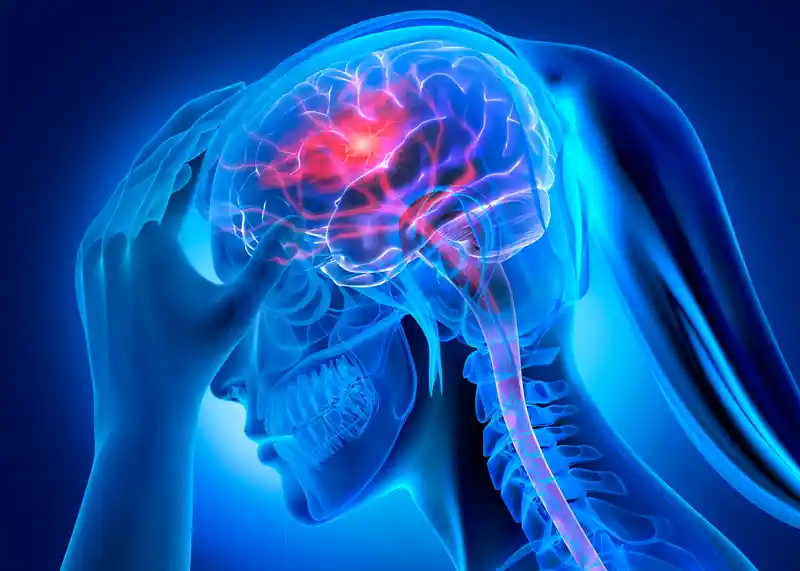
Recovering after brain tumor surgery is not a single moment—it’s a gradual, structured process that varies from patient to patient. Each phase, from the first hours in the ICU to long-term rehabilitation, plays a crucial role in restoring brain function, independence, and quality of life. Understanding what to expect during brain tumor surgery recovery helps patients and families prepare emotionally, physically, and mentally for the journey ahead.
Table of Contents
Understanding Your Recovery: Factors That Influence the Timeline
No two recoveries from brain tumor surgery are exactly alike. The process depends on several individual and surgical factors that determine both the pace and quality of healing. Knowing these variables can help set realistic expectations and guide you in managing post-surgical milestones.

How Tumor Type and Location Impact Your Healing
The type and location of the brain tumor significantly influence the brain tumor surgery recovery timeline. Tumors located in areas that control movement, speech, or vision can lead to temporary neurological symptoms such as weakness, difficulty speaking, or coordination challenges. For example, recovery after the removal of a tumor near the motor cortex may require extensive physical therapy, while a benign tumor in a non-eloquent area might result in a faster recovery. Additionally, malignant tumors often require follow-up treatments like radiotherapy or chemotherapy, which can extend the total brain surgery recovery time.
Surgical Approach: Craniotomy vs. Endoscopic (Minimally Invasive)
The surgical technique used to remove the tumor also plays a major role in how long it takes to recover. A craniotomy—where part of the skull is temporarily removed—often requires a longer hospital stay and a more gradual return to normal activities. In contrast, endoscopic or minimally invasive procedures typically lead to shorter hospitalizations, less post-operative pain, and faster healing. Patients undergoing endoscopic approaches may resume daily tasks earlier, though both types require close follow-up to monitor brain swelling after tumor removal and prevent complications.
Your Personal Health Profile: Age, Fitness, and Pre-Existing Conditions
A patient’s overall health status can accelerate or delay recovery. Younger individuals or those with strong cardiovascular and muscular health generally experience quicker functional recovery compared to older adults or patients with chronic illnesses such as diabetes or hypertension. Pre-existing neurological deficits may also slow progress. Moreover, lifestyle factors like smoking, poor nutrition, or limited mobility before surgery can negatively impact wound healing and energy levels during brain tumor surgery recovery.
The Immediate Post-Operative Phase: The First 24–72 Hours
The first three days after surgery are critical for observation and stabilization. During this period, the medical team closely monitors your neurological responses, vital signs, and brain pressure levels to ensure your recovery is on track. Understanding what happens in this stage can ease anxiety for patients and their loved ones.
Waking Up: Your First Moments After Surgery
When you wake up after surgery, you’ll likely feel drowsy and disoriented due to anesthesia. It’s common to experience mild headaches, nausea, or confusion in the first few hours. Nurses will frequently ask you to perform simple tasks—such as squeezing a hand or moving your toes—to assess brain function. These assessments are vital for detecting early complications and ensuring your brain tumor surgery recovery is progressing safely.
Life in the ICU (Intensive Care Unit) or NCCU (Neuro-Critical Care Unit)
Most patients spend their first night in an ICU or NCCU, where specialized neurosurgical teams provide 24-hour monitoring. Machines track your oxygen, blood pressure, and brain activity. Family visits may be limited during this period, as the environment is designed for rapid response to any neurological changes. While this phase can feel overwhelming, it marks the first critical step toward regaining stability after surgery.
Managing Initial Pain, Swelling, and Nausea
Pain control and brain swelling after tumor removal are major focuses immediately after surgery. Patients are often prescribed a combination of pain relievers, anti-nausea medications, and corticosteroids to reduce intracranial pressure. Mild swelling is normal, but persistent or severe swelling may require additional monitoring or adjustments in medication. Cooling measures, head elevation, and controlled fluid intake all support this early healing process.
Understanding the Tubes and Monitors (IVs, Drains, and Catheters)
You may notice several medical devices attached to your body post-surgery—intravenous lines for hydration and medication, surgical drains to prevent fluid buildup, and urinary catheters for comfort while mobility is limited. These tools are temporary and play an essential role in maintaining stability during the early brain surgery recovery time. The healthcare team gradually removes them as your condition improves, usually within the first few days.
Early Recovery: Your Hospital Stay (Day 3 to Discharge)
By the third day after brain tumor surgery, most patients transition from the ICU to a standard neurosurgical ward. This period focuses on regaining independence, managing symptoms, and preparing for safe discharge. The length of your hospital stay depends on the type of surgery, your response to treatment, and your neurological stability.
How Long Will I Be in the Hospital?
For many patients, the brain tumor surgery recovery timeline includes a hospital stay of 5 to 10 days. Those who underwent minimally invasive endoscopic surgery may go home sooner, sometimes within three to five days, while patients recovering from complex craniotomies or tumors near sensitive brain regions may need a longer stay. During this time, doctors evaluate your motor skills, vision, and cognitive function daily to ensure no post-operative complications are developing.
Patients may experience mild confusion, fatigue, or dizziness during this stage—these are normal signs that your brain is healing. What matters most is gradual progress: every small improvement, such as sitting up unassisted or eating without nausea, marks a meaningful milestone in your brain tumor surgery recovery.
Common (and Normal) Side Effects: Fatigue, Headaches, and Dizziness
Feeling extremely tired after brain surgery is common, as your body and brain work intensely to heal. You may also notice headaches, balance issues, or sensitivity to light. These symptoms generally improve within the first week but can persist for several weeks, depending on the extent of the surgery and your medication regimen.
Headaches often arise due to brain swelling after tumor removal, while dizziness may stem from inner ear disturbances or temporary fluid imbalance. Hydration, proper rest, and following your physician’s recommendations will support a smoother recovery. If pain or dizziness becomes severe or sudden, it’s crucial to alert your medical team immediately.
First Steps: Getting Out of Bed and Walking
One of the first milestones during your brain surgery recovery time is standing up and walking with assistance. Physical therapists typically encourage short walks around the hospital room or hallway within two to three days after surgery. Movement helps prevent blood clots, improves lung function, and boosts mental well-being. Even small steps contribute to faster circulation and energy restoration.
While mobility may initially feel challenging, guided activity under supervision reduces complications and helps regain muscle strength. This stage also gives doctors insight into your coordination and balance—key indicators for discharge readiness.
Initial Neurological, Speech, and Swallowing Assessments
Before discharge, your recovery team performs a range of neurological and speech assessments. These tests measure reflexes, comprehension, muscle tone, and speech clarity. If any issues are detected, specialists such as speech or occupational therapists may begin early intervention sessions. Early therapy prevents long-term deficits and enhances overall recovery outcomes.
Patients may also meet with neuropsychologists to evaluate cognitive performance, attention, and short-term memory—particularly important for tumors located in the frontal or temporal lobes. These assessments guide personalized rehabilitation plans for the next stage of your brain tumor surgery recovery.
Preparing for Discharge: What You Need to Know
When doctors determine you’re stable enough to go home, they’ll review your medications, wound care, and activity restrictions. Before leaving the hospital, patients receive detailed instructions on incision hygiene, follow-up appointments, and when to call a doctor after brain tumor surgery.
Most neurosurgeons recommend avoiding heavy lifting, driving, and strenuous activity for at least four to six weeks. Family members should help with daily chores and monitor for warning signs such as fever, fluid leakage from the incision, or sudden neurological changes. Discharge marks the transition from hospital care to self-managed recovery at home—a critical period that requires close attention and patience.
The First Month at Home: Adjusting and Healing (Weeks 1–4)
Once home, the brain tumor surgery recovery timeline enters a new phase—self-care, adjustment, and gradual independence. The first month is when your body begins to rebuild energy, but it’s also when complications can arise if proper care is neglected. Consistent monitoring and adherence to your doctor’s instructions are essential.
Critical Guide: When to Call Your Doctor Immediately (Red Flag Symptoms)
Even though mild pain and fatigue are expected, certain symptoms should never be ignored. Contact your neurosurgeon right away if you experience:
- Persistent or worsening headaches
- Fluid or pus leaking from the incision
- Seizures, confusion, or slurred speech
- High fever or sudden drowsiness
These could indicate infection, excessive brain swelling after tumor removal, or post-operative bleeding. Quick medical intervention at this stage prevents complications from escalating.
Incision and Wound Care: How to Prevent Infection
Keep the surgical site clean and dry. Most patients can remove their dressing after 48 hours unless otherwise instructed. Avoid scratching, rubbing, or applying creams to the incision. Use mild soap and water when showering and pat dry gently. Signs of infection include redness, foul odor, or swelling at the incision site. Maintaining hygiene supports safe, complication-free brain tumor surgery recovery.
Managing Your Medications: Steroids, Painkillers, and Anti-Seizure Drugs
Post-surgery prescriptions typically include steroids (to reduce swelling), pain medications, and anti-seizure drugs. Steroids must be tapered off gradually under medical supervision to avoid withdrawal effects. Never stop or adjust medications without consulting your doctor. Using a medication chart or pill organizer helps track doses and avoid missed schedules.
These medications are essential in controlling inflammation and preventing seizures—two common challenges during early recovery.
Activity Restrictions: Lifting, Bending, and Driving
Patients should avoid lifting objects heavier than 2–3 kg, bending forward, or straining during the first month. Such movements can increase intracranial pressure and delay healing. Driving is usually restricted for at least six weeks or until cleared by your neurosurgeon. Gentle stretching, short walks, and deep breathing exercises are encouraged to maintain circulation and prevent stiffness.
Resuming Daily Life: When Can I Shower?
Most patients can shower within a week of surgery, once sutures are secure and the incision is clean. However, submerging your head in water (baths, swimming pools, or hot tubs) should be avoided until your doctor approves. This small step—resuming normal hygiene—can feel empowering and is often one of the first signs of normalcy returning in life after brain tumor surgery.
Coping with Overwhelming Fatigue and “Brain Fog”
Cognitive fatigue and “brain fog” are frequent complaints during this stage. You might feel unusually forgetful, mentally slow, or easily overwhelmed by tasks that once felt simple. This is a natural response to the healing brain’s energy demands.
Allow yourself to rest frequently, limit screen time, and keep a consistent sleep schedule. Proper hydration, nutrition, and light physical activity all promote brain recovery. Accepting that progress takes time is one of the most important steps toward a successful brain tumor surgery recovery.
The Role of Rehabilitation: Rebuilding Your Skills (Months 1–3+)
Rehabilitation is the cornerstone of long-term brain tumor surgery recovery. Once you’re stable and back home, the focus shifts from wound healing to regaining mobility, coordination, communication, and cognitive strength. This period typically begins in the first month after surgery and can extend over several months, depending on your condition. The brain’s remarkable ability to rewire itself—known as neuroplasticity—allows patients to regain functions lost during surgery, but this progress requires consistency and professional support.
Physical Therapy (PT): Regaining Strength, Balance, and Mobility
Physical therapy begins as early as possible, sometimes within days after discharge. The goal is to retrain your body for normal movement patterns and rebuild strength lost during hospitalization. Exercises often focus on balance, coordination, and limb control, especially if the tumor or surgery affected the motor cortex.
A personalized PT plan may include light stretching, gait training, resistance exercises, and gradual cardiovascular activity. Therapists track your progress closely to prevent fatigue or dizziness. Patients who engage in consistent physical therapy often experience faster recovery, reduced stiffness, and fewer long-term limitations. This stage is crucial for regaining independence and confidence in your life after brain tumor surgery.
Occupational Therapy (OT): Relearning Daily Tasks and Regaining Independence
While physical therapy targets body movement, occupational therapy (OT) focuses on practical life skills. It helps you relearn everyday activities such as dressing, eating, and writing. The therapist may teach adaptive techniques or suggest assistive devices to help you return to your routines safely.
OT also addresses fine motor coordination—important for tasks like buttoning shirts or handling small objects—and cognitive problem-solving for returning to school or work. For many, this therapy restores a sense of control over daily life, an essential emotional milestone in the brain tumor surgery recovery timeline.
Speech and Language Therapy (SLT): Improving Communication and Swallowing
Patients whose tumor or surgery affected the speech centers of the brain—such as the Broca’s or Wernicke’s area—often require speech and language therapy (SLT). These sessions focus on rebuilding vocabulary, articulation, and comprehension.
SLT also supports patients with swallowing difficulties (dysphagia), which can occur after brain surgery. Therapists use exercises to strengthen throat muscles and prevent choking risks. Continuous SLT can make a profound difference in restoring clear communication, confidence, and social interaction—key components of normal life after brain surgery.
Cognitive Remediation: Strategies for Memory, Focus, and Organization
Many patients experience memory lapses, short attention spans, and reduced multitasking ability during recovery. Cognitive remediation therapy addresses these symptoms using structured mental exercises, memory aids, and problem-solving activities.
Neuropsychologists design individual programs to improve focus, planning, and reaction time. Even simple techniques—like keeping a daily planner or using phone reminders—can support organization and reduce frustration. Cognitive training improves not only mental sharpness but also overall quality of life, helping patients reintegrate socially and professionally after brain tumor surgery.
Long-Term Recovery: Life Months and Years After Surgery
The recovery process doesn’t end when rehabilitation concludes—it evolves into a new stage: long-term adaptation. Months or even years after brain tumor surgery, patients continue to experience physical and emotional changes. With proper care, lifestyle adjustments, and regular follow-ups, it’s possible to live a fulfilling and active life after surgery.
When Can I Realistically Return to Work or School?
Returning to normal routines depends on the complexity of the surgery, your job demands, and cognitive recovery. Most patients can resume part-time work or studies 3 to 6 months post-surgery, while others—especially those in cognitively demanding roles—may need more time.
Your neurosurgeon and rehabilitation team will evaluate readiness through neurocognitive testing and fatigue levels. Starting with flexible hours, remote work, or gradual re-entry programs helps ensure a safe and sustainable transition into life after brain tumor surgery.
The Emotional Journey: Dealing with Anxiety, Depression, and Mood Swings
Emotional recovery is as critical as physical healing. Many patients face anxiety, depression, or mood fluctuations following brain surgery, often caused by changes in brain chemistry, medication, or the stress of recovery itself. It’s common to feel frustrated by memory issues or fatigue, but these feelings should be openly discussed.
Support groups, counseling, and mindfulness practices are valuable tools for managing emotional distress. Connecting with others who have undergone brain tumor surgery recovery can provide comfort and motivation. Acknowledging your emotions and seeking help when needed is a sign of strength—not weakness.
Follow-Up Scans (MRI/CT): Monitoring for Recurrence
Regular MRI or CT scans are crucial for tracking post-surgical healing and ensuring no tumor recurrence. In most cases, the first follow-up scan occurs within three months of surgery, followed by periodic imaging every six months or annually, depending on your diagnosis.
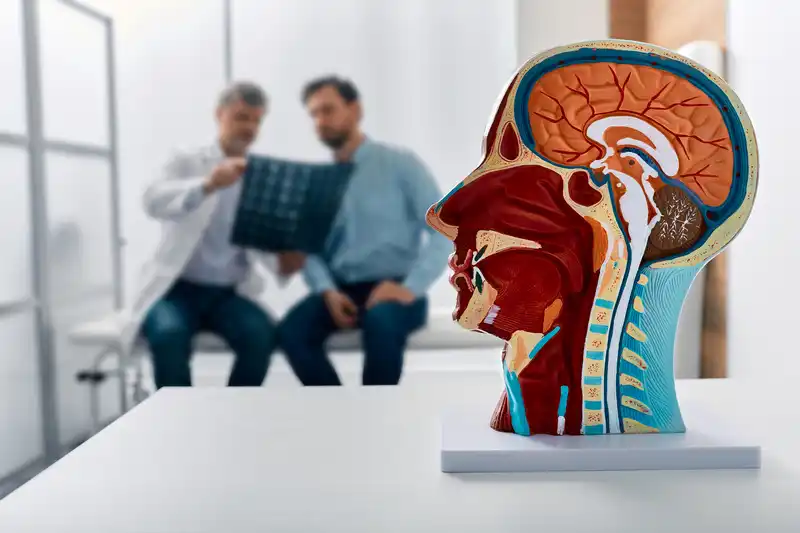
Doctors also review symptoms, medication adjustments, and cognitive progress during these appointments. Staying consistent with your follow-up schedule gives peace of mind and ensures that any issues are detected early in the brain tumor surgery recovery timeline.
Nutrition, Exercise, and Sleep for Long-Term Brain Health
Sustaining recovery requires adopting a brain-healthy lifestyle. Focus on a nutrient-rich diet that supports cognitive function—foods high in omega-3s, antioxidants, and lean protein aid healing. Gentle exercise such as walking, yoga, or swimming improves circulation and reduces fatigue.
Adequate sleep remains vital, as the brain performs most of its repair functions during rest. Avoid alcohol, smoking, and high-stress environments, as these can slow neural recovery. Over time, these lifestyle adjustments strengthen your brain’s resilience and help maintain long-term wellness after brain tumor surgery.