Skip to content

Infertility can be one of the most emotionally and physically challenging experiences for couples. Fortunately, modern medicine has made incredible strides, offering life-changing solutions through IVF and infertility treatments in Turkey. Today, Turkey stands out as a global leader in assisted reproductive technologies (ART), attracting patients from Europe, the Middle East, and beyond. With its combination of affordable prices, cutting-edge medical facilities, and highly trained specialists, the country provides a balance of quality and value that few destinations can match.
Table of Contents
Why Choose Turkey for Your IVF Journey?
Couples from around the world are discovering that IVF in Turkey offers a blend of medical excellence and affordability. Turkish fertility centers have built strong reputations for their high standards, modern laboratories, and multilingual medical staff. Beyond medical reasons, the country’s hospitality, rich culture, and easy accessibility make it an attractive medical tourism destination for those seeking infertility treatments in Turkey.
According to the Turkish Ministry of Health, over 30,000 international patients travel to Turkey each year for fertility care. Whether for a first attempt or a more complex case, patients appreciate the combination of personalized care and competitive costs that rival those of top European and American clinics.
Comparing IVF Costs: Turkey vs. the UK, Europe, and the USA
One of the strongest reasons why patients turn to IVF in Turkey is the substantial cost advantage. The IVF cost in Turkey is significantly lower than in Western countries without compromising success rates or clinical standards. On average, a full IVF cycle in the UK or USA ranges between $6,000–$15,000, while IVF in Istanbul and other major Turkish cities typically costs $2,000–$4,000.
This pricing includes the main procedures such as consultation, egg retrieval, fertilization, and embryo transfer. However, there may be additional costs for services like IVF medication, embryo freezing, or genetic testing (PGT) depending on the clinic and patient’s individual needs.
Couples often find that even when adding travel, accommodation, and minor expenses, the total still remains far below what they would pay in their home country. This transparency and value-for-money structure make infertility treatments in Turkey highly appealing to patients from the UK, Europe, and North America.
Access to World-Class Technology and JCI-Accredited Clinics
Turkey’s rapid medical advancement is evident in its fertility sector. Clinics offering IVF in Turkey are equipped with the same advanced technologies used in the world’s top fertility centers, including time-lapse embryo imaging, laser-assisted hatching, and vitrification techniques for embryo freezing.
Many institutions are JCI-accredited (Joint Commission International), ensuring compliance with global safety and ethical standards. In cities such as Istanbul, Ankara, and Antalya, these fertility clinics are designed to serve both local and international patients efficiently, often with dedicated English-speaking coordinators and patient support staff.
Patients are also drawn to the use of personalized stimulation protocols that optimize ovarian response and improve fertilization outcomes—critical factors in IVF success. With continuous staff training and quality monitoring, IVF clinics in Turkey consistently maintain world-class performance and patient satisfaction.
High Success Rates Explained by Top Turkish Fertility Specialists
Success rates are one of the primary indicators of clinic performance, and Turkey consistently ranks among the top countries globally. IVF success rates in Turkey vary by clinic and patient profile but generally average between 55–70% for women under 35, which is comparable to or higher than European averages.
Several factors contribute to this success:
- Advanced laboratory technology, ensuring optimal embryo culture conditions.
- Experienced embryologists and fertility specialists who tailor every treatment plan.
- Strict quality control on every stage from ovarian stimulation to embryo transfer.
Furthermore, leading doctors emphasize a holistic approach that integrates lifestyle counseling, nutrition, and emotional support to increase chances of conception. Turkish specialists’ personalized care and availability also enhance the patient experience, helping many achieve their dream of parenthood on their first or second cycle.
No Waiting Lists: Start Your Treatment Immediately
Unlike some countries where public fertility programs have long waiting lists, patients undergoing infertility treatments in Turkey can usually begin treatment within days of initial consultation. This efficiency is particularly valued by patients traveling from abroad, as fertility often depends on timing and consistency.
Once the patient submits medical records and hormone test results, most clinics arrange a video consultation with a fertility specialist to outline the protocol and timeline. Upon arrival in Turkey, the patient begins ovarian stimulation almost immediately.
This flexibility, combined with Turkey’s medical infrastructure and patient-centered services, makes the process smooth and stress-free. As a result, international patients experience minimal delay and optimal coordination throughout their journey.
Understanding the Step-by-Step IVF Process in Turkey
The journey through IVF and infertility treatments in Turkey is carefully structured, ensuring every stage is supported by experienced medical professionals and advanced technology. Turkish fertility clinics emphasize transparency and patient education, guiding couples from the initial consultation to embryo transfer and post-procedure care. Whether patients travel from the UK, Germany, or the Middle East, they are provided with a detailed treatment plan and full logistical assistance—making IVF in Turkey a comfortable and reliable experience.
Below is a detailed explanation of the full IVF cycle, highlighting each stage and what international patients can expect when beginning their fertility journey in Turkey.
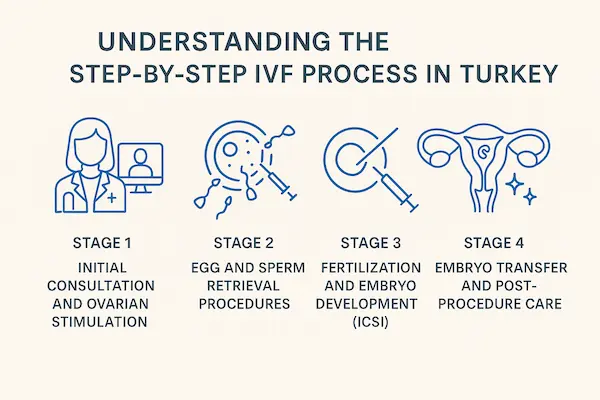
Stage 1: Initial Online Consultation and Ovarian Stimulation
The first step begins before patients even arrive in the country. Many Turkish fertility centers offer online consultations where couples share their medical history, hormone test results, and previous IVF outcomes (if any). During this consultation, fertility specialists assess whether the patient is a suitable candidate for IVF and explain the IVF process in Turkey step-by-step.
After assessment, the patient is prescribed ovarian stimulation medication. These hormone injections encourage the ovaries to produce multiple mature eggs in one cycle. Clinics often help patients purchase the required drugs in their home country or prepare them upon arrival in Turkey.
During stimulation, patients undergo several ultrasound scans and blood tests to monitor follicle growth. This stage typically lasts 8–12 days. Once the follicles reach optimal size, a trigger injection is administered to mature the eggs before retrieval. Turkish clinics excel at personalizing this protocol, minimizing the risk of Ovarian Hyperstimulation Syndrome (OHSS) and maximizing egg quality for better IVF success rates in Turkey.
Stage 2: Egg and Sperm Retrieval Procedures
Approximately 36 hours after the trigger shot, the egg retrieval procedure is performed. It is a short, painless process that takes about 15–20 minutes under light sedation. The specialist aspirates mature eggs from the ovaries using a fine needle guided by ultrasound.
Meanwhile, the male partner provides a sperm sample on the same day. In some cases, sperm can also be retrieved surgically through TESE or TESA procedures for men with low sperm count. Both samples are then prepared in the laboratory for the fertilization stage.
All procedures are conducted in sterile, high-tech operating environments that meet European quality standards. This ensures the highest level of safety and success for patients undergoing infertility treatments in Turkey.
Stage 3: Fertilization and Embryo Development (ICSI)
Once the eggs and sperm are collected, the next stage—fertilization—takes place in the embryology lab. Turkish clinics primarily use ICSI (Intracytoplasmic Sperm Injection), where a single healthy sperm is directly injected into each mature egg. This method significantly increases fertilization success, especially in cases of male factor infertility.
After fertilization, embryos are cultured in state-of-the-art incubators for 3 to 5 days. During this time, embryologists closely monitor their growth and development. Advanced technologies such as time-lapse imaging and blastocyst grading are often employed to identify the healthiest embryos.
Some patients choose Preimplantation Genetic Testing (PGT) to screen embryos for chromosomal abnormalities, particularly if there’s a family history of genetic disorders or previous failed IVF attempts. By the end of this stage, the strongest embryos are selected for transfer, while others may be frozen (embryo freezing in Turkey) for future use.
Stage 4: Embryo Transfer and Post-Procedure Care
The embryo transfer is a simple, pain-free procedure that does not require anesthesia. A thin catheter is used to place the best-quality embryo directly into the uterus. Typically, only one or two embryos are transferred to reduce the risk of multiple pregnancies, in accordance with IVF laws in Turkey for foreigners.
After transfer, patients can rest for a short period at the clinic before returning to their hotel. Most clinics provide detailed instructions on post-transfer care, including diet, rest, and medication. Some may recommend staying in Turkey for 5–7 days after transfer to allow for monitoring and to avoid the stress of travel.
Two weeks later, the patient undergoes a Beta-HCG blood test to confirm pregnancy. Clinics often provide remote follow-up support and continue advising patients on the early stages of pregnancy until they can transition to care in their home country.
IVF Costs in Turkey: A Transparent Price Breakdown for 2025
The financial aspect of fertility treatment is often one of the biggest concerns for couples, and Turkish clinics are renowned for their transparency. IVF cost in Turkey varies depending on the clinic, treatment complexity, and additional procedures, but even premium packages are significantly more affordable than in Western countries.
What’s Included in a Standard IVF Package?
A typical IVF package in Turkey includes:
- Initial medical consultation and ultrasound evaluations
- Ovarian stimulation and monitoring
- Egg and sperm collection
- Fertilization (ICSI) and embryo culture
- One embryo transfer procedure
- Pre- and post-treatment follow-up care
Some clinics also provide medication starter kits, airport transfers, and translation support, making it easier for international patients.
Potential Additional Costs: Medication, Genetic Testing, and Freezing
Although standard IVF packages cover the essential steps, some patients may require extra procedures. Common additional costs include:
- IVF medication cost in Turkey: approximately $500–$1,000, depending on dosage and brand.
- Embryo freezing: around $300–$600, with annual storage fees between $150–$300.
- PGT (Preimplantation Genetic Testing): $1,000–$2,000 depending on the number of embryos tested.
Despite these add-ons, IVF in Turkey remains cost-effective when compared to the IVF prices in Europe or the USA, where similar services can exceed $10,000–$15,000.
All-Inclusive IVF Packages with Hotel and Transfers
To simplify medical travel, many Turkish fertility centers now offer all-inclusive IVF packages that combine treatment with hotel accommodation and airport transfers. These packages are tailored to international patients who prefer convenience and a stress-free experience.
An all-inclusive IVF trip generally includes:
- Full IVF cycle (consultation to embryo transfer)
- 10–14 days’ hotel stay near the clinic
- Airport and hospital transfers
- English-speaking coordinators
- Optional city tours for relaxation between procedures
Such offers make IVF in Istanbul particularly attractive, as patients can enjoy medical care alongside Turkey’s famous hospitality and cultural richness. Clinics in Antalya and Izmir provide similar services for couples looking for a more relaxed or coastal environment.
IVF Success Rates in Turkey: A Realistic Look at the Data
Success rates are among the most important factors for couples considering IVF and infertility treatments in Turkey. Fortunately, the country’s clinics are recognized for their impressive results, comparable to or even exceeding global averages. This success stems from a combination of advanced embryology labs, personalized protocols, and skilled fertility experts who tailor treatments to each patient’s condition. Understanding how success rates are measured helps patients set realistic expectations before beginning their IVF journey in Turkey.
Understanding How Success Rates Are Calculated
When clinics report IVF success rates in Turkey, they usually express them as the percentage of live births or positive pregnancies per embryo transfer. However, several factors affect this number, including patient age, cause of infertility, egg and sperm quality, and number of previous cycles.
Typically, success is evaluated in three ways:
- Fertilization rate: The percentage of eggs successfully fertilized after ICSI.
- Clinical pregnancy rate: The presence of a fetal heartbeat confirmed by ultrasound.
- Live birth rate: The most accurate measure of success—indicating an ongoing pregnancy that leads to birth.
Turkish clinics adhere to European Society of Human Reproduction and Embryology (ESHRE) standards when reporting these figures, ensuring transparency and credibility. Patients should always review the statistics for their specific age group and diagnosis rather than general averages to get a realistic idea of their chances.
IVF Success Rates by Age Group (Under 35, 35–40, and Over 40)
Age is one of the most significant factors influencing the outcome of IVF in Turkey or anywhere in the world. However, Turkish specialists have achieved notably high success rates across all age groups thanks to advanced lab techniques and individualized care.
Here’s a general overview of average success rates at top fertility centers in Istanbul and Ankara:
| Age Group | Average Success Rate | Key Notes |
|---|---|---|
| Under 35 | 60–70% | Highest success rate due to good egg quality and ovarian reserve. |
| 35–40 | 45–55% | Slightly lower, but improved outcomes with ICSI and PGT testing. |
| Over 40 | 25–35% | Varies by ovarian function; some clinics use donor eggs to increase chances. |
Younger women have higher chances of conception, but clinics have developed innovative techniques such as blastocyst culture, genetic screening, and egg freezing to support patients of all ages. For women above 40, additional hormonal support and individualized stimulation protocols often enhance results significantly.
Factors That Directly Influence Your Personal Success Chance
Several factors can influence the outcome of infertility treatments in Turkey, and understanding these can help patients improve their odds:
- Age and ovarian reserve: The younger the woman, the higher the egg quality and quantity, leading to better results.
- Embryo quality: Embryos that reach the blastocyst stage have a higher likelihood of implantation.
- Sperm health: Abnormalities in sperm motility or morphology can reduce success unless treated with advanced ICSI methods.
- Lifestyle choices: Smoking, obesity, alcohol consumption, and stress can all negatively affect fertility.
- Previous reproductive history: Women who have been pregnant before often experience higher IVF success rates.
- Clinic expertise: Centers with experienced embryologists and high-tech labs consistently deliver better outcomes.
Leading fertility clinics in Istanbul and Antalya now integrate AI-powered embryo selection and time-lapse incubators, which continuously monitor embryo development and choose those with the best potential for implantation. This innovation has contributed significantly to the improved IVF success rates in Turkey over the past five years.
Are You a Good Candidate for IVF Treatment?
Before starting the process, it’s important to determine whether you are an ideal candidate for IVF in Turkey. Fertility specialists conduct thorough evaluations and diagnostic tests to ensure the chosen method offers the best possible chance of success.
Common Causes of Female and Male Infertility
Infertility can affect either partner, and identifying the cause is critical for effective treatment. Common female factors include:
- Blocked fallopian tubes
- Ovulation disorders (such as PCOS)
- Endometriosis or uterine abnormalities
- Diminished ovarian reserve due to age
Meanwhile, male infertility can result from:
- Low sperm count or motility
- Abnormal sperm morphology
- Hormonal imbalance
- Genetic factors or past infections
In many cases, a combination of factors affects both partners, which is why comprehensive fertility assessments are recommended before beginning infertility treatments in Turkey.
When Doctors Recommend IVF Over Other Treatments
IVF is not always the first-line solution for every couple. Turkish fertility specialists often begin with less invasive methods, such as ovulation induction or intrauterine insemination (IUI), depending on the patient’s condition. However, IVF is recommended in cases such as:
- Blocked or damaged fallopian tubes
- Severe male factor infertility
- Unexplained infertility after 12+ months of trying
- Failed previous treatments like IUI
- Advanced maternal age (over 38)
Additionally, couples pursuing genetic testing or embryo freezing in Turkey often choose IVF to combine diagnosis with long-term reproductive planning.
Essential Medical Tests Required Before Starting IVF
Before starting IVF treatment in Turkey, both partners must undergo several diagnostic tests. These help doctors customize the stimulation protocol and identify any underlying health issues that could affect success.
Typical tests include:
- For women: Hormonal profile (FSH, LH, AMH, estradiol), transvaginal ultrasound, and thyroid function tests.
- For men: Semen analysis, hormone levels, and infection screening.
- For both: Genetic testing, infectious disease panel (HIV, hepatitis B/C, syphilis), and sometimes karyotyping.
These evaluations not only guide the treatment plan but also help avoid unnecessary procedures, ensuring that patients receive the most efficient and effective infertility treatments in Turkey.
Advanced Fertility Techniques Offered in Turkish Clinics
The field of assisted reproduction continues to evolve, and Turkish fertility clinics are among the global leaders in adopting the latest innovations. These advanced procedures not only increase pregnancy success rates but also allow couples to preserve their reproductive potential for the future. In this section, we’ll explore the most frequently used advanced fertility techniques in Turkey, including PGT, ICSI, and embryo or egg freezing, which together form the foundation of modern reproductive medicine.
PGT (Preimplantation Genetic Testing): Ensuring a Healthy Embryo
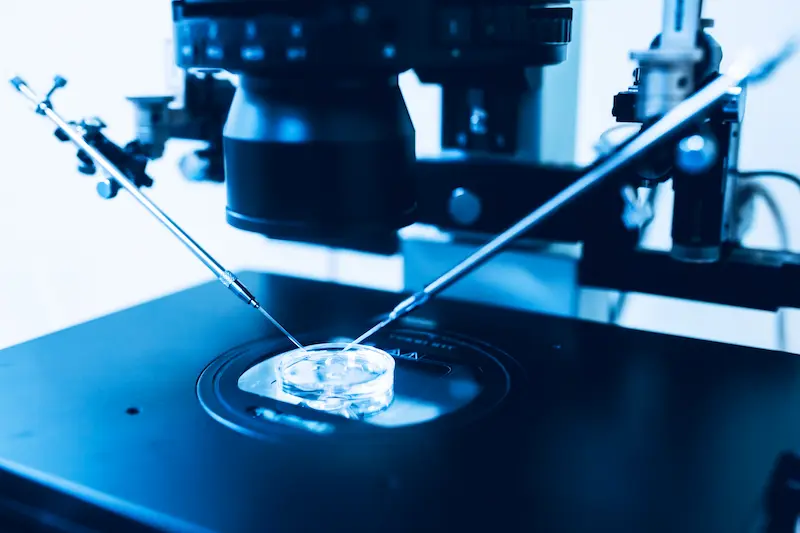
One of the most valuable advancements in IVF and infertility treatments in Turkey is Preimplantation Genetic Testing (PGT). This technique allows embryologists to analyze embryos for chromosomal abnormalities before they are transferred to the uterus. By doing so, it helps reduce the risk of miscarriage, failed implantation, or inherited genetic disorders.
During PGT, a few cells are carefully removed from each embryo on day 5 (blastocyst stage) and analyzed using next-generation sequencing (NGS). Only genetically normal embryos are selected for transfer, dramatically improving the likelihood of a successful and healthy pregnancy.
PGT is particularly recommended for:
- Couples with a history of recurrent miscarriages
- Women over 38 years old
- Couples with known genetic disorders
- Patients who have experienced multiple failed IVF attempts
Turkish fertility clinics have developed exceptional expertise in this area. Leading laboratories in Istanbul and Ankara are equipped with high-precision genetic testing systems that meet European and American fertility standards, making PGT in Turkey both affordable and reliable.
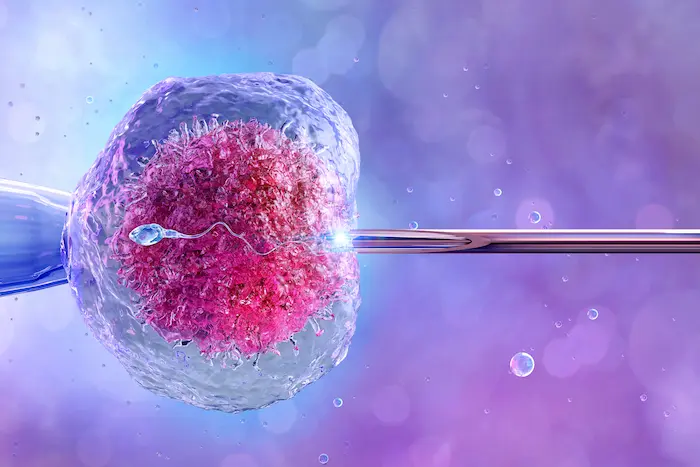
ICSI (Intracytoplasmic Sperm Injection) for Male Factor Infertilit
For couples facing male infertility issues, ICSI (Intracytoplasmic Sperm Injection) has revolutionized reproductive medicine. In this procedure, a single healthy sperm is injected directly into the cytoplasm of a mature egg using a micro-needle. The method bypasses natural fertilization barriers and greatly enhances the success rate of IVF in Turkey, especially in cases where sperm count or motility is low.
ICSI is recommended for:
- Low sperm concentration or motility
- Blockages in the male reproductive tract
- Abnormal sperm morphology
- Prior failed fertilization in conventional IVF
Nearly all major clinics offering infertility treatments in Turkey include ICSI as part of their standard IVF package, which helps maximize fertilization outcomes. Thanks to advanced microscopy systems, Turkish embryologists perform ICSI with extreme precision, improving embryo quality and overall pregnancy success rates.
Embryo and Egg Freezing (Cryopreservation) for Future Use
Cryopreservation, or embryo freezing in Turkey, is an increasingly popular choice for couples and individuals who wish to preserve their fertility for later. This technique involves freezing embryos, eggs, or sperm at ultra-low temperatures using a process called vitrification.
There are two main purposes for cryopreservation:
- Medical reasons: Patients undergoing treatments such as chemotherapy can freeze eggs or embryos beforehand to protect their fertility.
- Family planning: Women who wish to delay pregnancy can freeze their eggs during their most fertile years for use later in life.
Frozen embryos and eggs can remain viable for several years without losing their quality. When the patient is ready to proceed, the embryos are thawed and transferred to the uterus, offering the same pregnancy potential as a fresh cycle.
With IVF laws in Turkey for foreigners allowing embryo freezing under regulated conditions, couples find this option ideal for flexible family planning. Clinics ensure safe storage and meticulous record-keeping to preserve each patient’s genetic material securely and ethically.
How to Choose the Best IVF Clinic and Doctor in Turkey
Choosing the right clinic can be the most important decision in your IVF journey in Turkey. The success of your treatment depends heavily on the clinic’s technology, medical team, and patient-centered approach. Turkey has hundreds of fertility centers, but selecting one that suits your specific needs requires careful consideration of several factors.
Key Questions to Ask Your Fertility Clinic Before Booking
When contacting a fertility center, it’s important to ask targeted questions that will help you compare services and quality standards. Consider asking:
- What is the clinic’s success rate for my age group?
- Are all procedures (stimulation, egg retrieval, transfer) done on-site?
- Is PGT testing or ICSI included in the package price?
- How is IVF medication managed and priced?
- What post-treatment support or follow-up is provided?
These questions will help ensure transparency and align your expectations before traveling for infertility treatments in Turkey.
Checking for International Accreditations and Doctor Credentials
One of the strongest indicators of quality is international accreditation. Look for clinics that hold JCI (Joint Commission International) or ISO certifications, as these confirm adherence to global medical and ethical standards.
You should also review the experience and specialization of fertility doctors. Many leading IVF specialists in Istanbul and Ankara are trained in the UK or the USA and regularly participate in international conferences on reproductive medicine. Their experience in treating complex infertility cases contributes significantly to high IVF success rates in Turkey.
The Importance of Patient Reviews and Video Testimonials
In addition to technical qualifications, patient feedback plays a major role in clinic selection. Most reputable centers publish patient video testimonials, reviews, and verified case results on their websites. These can provide valuable insights into the clinic’s approach to communication, empathy, and follow-up support.
Positive patient experiences often highlight:
- Clear communication and language support
- Compassionate medical care
- Transparency in pricing and procedures
- Smooth coordination for international patients
By analyzing real stories and outcomes, patients can make informed decisions about where to begin their IVF in Turkey journey.
Legal and Ethical Guidelines for IVF in Turkey
For many couples, one of the most reassuring aspects of pursuing IVF and infertility treatments in Turkey is the country’s clear legal framework and ethical medical standards. Turkish fertility laws are designed to protect both patients and unborn children while maintaining the highest standards of medical integrity. These regulations ensure transparency, safety, and fairness—particularly important for foreign patients who may be unfamiliar with local procedures.
Below, we examine the legal and ethical boundaries of IVF in Turkey, including age limits, marital status requirements, rules on donor eggs and sperm, and whether gender selection is allowed. Understanding these guidelines helps patients plan their treatment responsibly and confidently.
Age Limits and Marital Status Requirements for Patients
Under Turkish law, IVF treatment is legally permitted only for married heterosexual couples. This regulation aims to align assisted reproduction practices with the country’s cultural and ethical norms. Therefore, unmarried couples or single women cannot undergo IVF in Turkey, even if they are foreign nationals.
The age limit for female patients typically depends on individual clinic policies, but most centers accept women up to 45 years old for IVF using their own eggs. After this age, success rates drop significantly, and many clinics may require additional medical clearance to ensure maternal safety. Male partners, however, do not have a strict legal age limit as long as sperm quality is viable.
While some patients might find these restrictions different from those in Europe or the USA, they reflect Turkey’s balanced approach to combining modern reproductive medicine with ethical safeguards.
Regulations on Egg Donation, Sperm Donation, and Surrogacy
One of the most important aspects of IVF laws in Turkey for foreigners concerns third-party reproduction—that is, using donated eggs, sperm, or surrogates. Turkish law strictly prohibits all forms of egg and sperm donation, as well as surrogacy. Fertility treatments must be conducted using the couple’s own reproductive cells.
This rule ensures genetic transparency between parents and children and prevents legal disputes regarding parenthood. As a result, IVF in Turkey is always performed with biological material from the couple themselves.
Despite these limitations, patients still benefit from advanced medical technologies such as ICSI, genetic screening, and embryo freezing in Turkey, which can significantly improve success rates even without donor materials. Couples needing donation programs often combine treatments abroad with embryo transfer in Turkey, under specific medical guidance.
Is Gender Selection Allowed in Turkey?
Gender selection for non-medical or family balancing purposes is not allowed under Turkish fertility law. However, sex determination for medical reasons—for example, to prevent transmission of sex-linked genetic diseases—is permitted and performed using PGT (Preimplantation Genetic Testing).
This ensures that couples at risk of passing on hereditary disorders like hemophilia or Duchenne muscular dystrophy can safely conceive healthy children. Turkish clinics conducting such procedures must have ethical committee approval and follow Ministry of Health regulations closely.
Patients can rest assured that fertility centers in Turkey operate within a strict ethical and legal framework, ensuring all treatments respect both medical integrity and patient rights.
Preparing for Your IVF Trip to Turkey: A Practical Checklist
Planning your trip for IVF and infertility treatments in Turkey involves more than booking flights—it’s about preparing your body, organizing documentation, and managing logistics for a smooth and stress-free experience. Clinics provide multilingual support to help patients from the UK, USA, or Europe arrange everything efficiently.
Below is a comprehensive guide to preparing for your medical journey.
Diet, Supplements, and Lifestyle Changes to Boost Success
Preparing your body before IVF can greatly improve your outcomes. Turkish fertility specialists often recommend making lifestyle changes 3–6 months before treatment.
For women:
- Eat a balanced diet rich in omega-3, antioxidants, and lean protein.
- Take prenatal vitamins with folic acid and CoQ10 to support egg quality.
- Avoid alcohol, smoking, and caffeine.
- Get 7–8 hours of sleep each night to balance hormones.
For men:
- Maintain a healthy weight and avoid exposure to heat or toxins.
- Take zinc, vitamin E, and L-carnitine supplements for sperm health.
These steps help improve the quality of eggs and sperm, directly influencing the IVF success rates in Turkey.
Visa, Flights, and Accommodation Planning
Citizens from most European and Middle Eastern countries can enter Turkey without a visa or obtain an e-visa online within minutes. Major IVF destinations like Istanbul, Antalya, and Ankara are well-connected with direct flights from London, Berlin, Dubai, and many other cities.
Clinics often provide airport transfer services and partner with nearby hotels to accommodate patients during their stay. A full IVF cycle typically requires 2–3 weeks in Turkey, depending on the treatment plan and embryo transfer timing.
Before your trip, it’s essential to:
- Confirm your appointment and medical documents.
- Inform the clinic of your arrival date for medication scheduling.
- Bring previous test results, ultrasound images, and prescriptions.
What to Pack for Your Medical Journey
To ensure a comfortable stay during your IVF in Turkey, pack the following essentials:
- Comfortable clothing and loose-fitting outfits for after egg retrieval.
- All medications, supplements, and copies of prescriptions.
- A folder with your medical documents and insurance details.
- Travel-size hygiene products, reusable water bottles, and snacks.
- A notebook or digital planner to record medication schedules and clinic visits.
Adding personal items like a neck pillow, gentle herbal teas, or a favorite book can make recovery periods more relaxing. Patients often describe their IVF trip as a blend of medical care and wellness retreat, given Turkey’s relaxing hospitality and scenic destinations.
Life After Embryo Transfer: The Two-Week Wait Explained
After embryo transfer, patients enter what’s known as the two-week wait, a critical period before the pregnancy blood test. During this time, the body undergoes hormonal changes as the embryo attempts to implant in the uterus. Turkish clinics provide detailed post-care instructions, ensuring patients manage this stage with both physical and emotional support.
Do’s and Don’ts: Activity, Diet, and Rest
Doctors generally recommend moderate rest for the first 24–48 hours after transfer, but complete bed rest isn’t necessary. Patients can move around normally and eat nutritious meals rich in protein, vitamins, and iron. Avoid heavy exercise, hot baths, and stress.
It’s also important to continue prescribed medications like progesterone, which supports implantation. Most patients can safely travel home after a few days, depending on their doctor’s advice.
Managing Common Symptoms and Emotional Stress
Mild symptoms such as bloating, fatigue, or cramping are normal due to hormone changes. Emotional stress, however, can be challenging. Turkish clinics often provide counseling services and 24/7 support lines for international patients during this stage. Gentle activities such as meditation, journaling, or short walks can help maintain mental balance.
The Final Step: The Pregnancy Blood Test (Beta-HCG)
After approximately 12–14 days, a Beta-HCG test is performed to confirm pregnancy. Patients can do this in Turkey or upon returning home. If the result is positive, the clinic provides a detailed follow-up plan, including early ultrasound scheduling. If negative, the fertility specialist reviews the cycle to identify potential improvements for the next attempt.
Regardless of the outcome, Turkish doctors emphasize continuous emotional support and medical transparency—making IVF and infertility treatments in Turkey a compassionate experience from start to finish.
Other Infertility Treatments Available in Turkey
While IVF in Turkey remains the most widely chosen and successful fertility treatment, it is not the only option available. Turkish reproductive medicine has developed a diverse range of treatments to meet the needs of couples at different stages of their fertility journey. Some patients may benefit from simpler or less invasive procedures before moving on to IVF. Others may need surgical correction or fertility preservation options for future use.
In this section, we explore alternative infertility treatments in Turkey—each designed to offer personalized, effective, and affordable solutions.
IUI (Intrauterine Insemination) as a First-Step Option
For couples who do not require full IVF, IUI (Intrauterine Insemination) is often the first line of treatment. In this procedure, a concentrated sample of sperm is placed directly into the uterus during ovulation, increasing the chances of fertilization.
IUI in Turkey is especially suitable for:
- Women with open fallopian tubes and mild hormonal imbalance
- Men with slightly reduced sperm count or motility
- Couples with unexplained infertility
The process is quick, painless, and affordable, with each cycle costing between $300–$600, making it one of the most cost-effective fertility treatments. Though success rates are lower than IVF, many couples conceive after one to three IUI cycles. If pregnancy does not occur after several attempts, doctors usually recommend progressing to IVF in Turkey for better results.
Surgical Procedures to Improve Fertility (e.g., Hysteroscopy)
Some infertility cases stem from anatomical or structural issues in the reproductive organs. In such situations, minimally invasive surgical treatments may be necessary before starting IVF.
The most common procedures include:
- Hysteroscopy: Used to remove uterine polyps, fibroids, or scar tissue that may prevent implantation.
- Laparoscopy: Performed to treat endometriosis or repair blocked fallopian tubes.
- Varicocele repair: A surgical procedure for men to improve sperm quality.
These treatments are performed by skilled gynecologic surgeons in modern hospitals across Istanbul, Ankara, and Antalya. Combining surgical correction with IVF or other infertility treatments in Turkey can significantly boost success rates, especially in complex cases.
Fertility Preservation for Medical Reasons
Turkey has also become a trusted destination for fertility preservation, helping individuals and couples protect their reproductive potential before undergoing medical treatments such as chemotherapy or radiation therapy.
Egg and sperm freezing allow patients to store healthy gametes at a younger age for later use. Turkish clinics follow international cryopreservation standards, ensuring that frozen cells retain viability for years. This service is also popular among women who want to delay childbearing without compromising their future fertility.
Clinics providing embryo freezing in Turkey use the advanced vitrification method, which ensures nearly 100% cell survival after thawing. For cancer patients or those facing surgery affecting fertility, these preservation techniques offer priceless peace of mind and future family-building options.
Frequently Asked Questions (FAQs)
How long do I need to stay in Turkey for a full IVF cycle?
Most patients stay between 2 to 3 weeks for a complete IVF cycle. This includes time for ovarian stimulation, egg retrieval, fertilization, and embryo transfer. Some couples choose to have their initial consultation online and begin hormone therapy in their home country to shorten their stay.
Is the IVF process painful?
No, the IVF process in Turkey is not painful. Egg retrieval is done under mild sedation, so patients feel no discomfort. After the procedure, some women may experience slight bloating or cramping, but this is temporary. Embryo transfer is quick and painless, with no anesthesia required.
What happens if my first IVF cycle is unsuccessful?
If pregnancy doesn’t occur after the first attempt, fertility specialists analyze the cycle’s data to identify possible issues. Factors like embryo quality, hormone levels, or implantation timing are reviewed. Many patients achieve success during their second or third cycle thanks to these tailored adjustments. Clinics offering infertility treatments in Turkey provide emotional support and follow-up plans to help patients continue their journey confidently.
Can I communicate easily with the medical staff in English?
Yes, absolutely. Most clinics catering to international patients have English-speaking doctors, embryologists, and coordinators. Many also offer translators for Arabic, Russian, French, and German. This ensures smooth communication throughout your IVF in Turkey experience—from consultation to aftercare.
How much is IVF in Turkey, and what does it include?
The IVF cost in Turkey typically ranges between $2,000 and $4,000, depending on the clinic, city, and treatment plan. Packages often include medical consultations, ovarian stimulation, egg retrieval, fertilization, and embryo transfer. Additional services like medication, genetic testing, or embryo freezing in Turkey may cost extra but remain far cheaper than in Western countries.
What are IVF success rates in Turkey compared to other countries?
IVF success rates in Turkey average 55–70% for women under 35, comparable to top fertility centers in the UK and USA. Success rates decrease slightly with age but remain higher than many European averages due to advanced lab technologies and personalized treatment plans.
Are IVF medications included in the package price?
Not always. The IVF medication cost in Turkey is usually separate and ranges from $500–$1,000, depending on dosage and brand. Clinics provide detailed medication lists so patients can plan accordingly. Some centers offer “all-inclusive” packages that include both medication and accommodation for convenience.
Are IVF laws in Turkey for foreigners different from those for locals?
No, IVF laws in Turkey for foreigners are the same as for Turkish citizens. The main rule is that treatment is allowed only for legally married heterosexual couples using their own eggs and sperm. Egg donation, sperm donation, and surrogacy are prohibited for everyone.