Skip to content
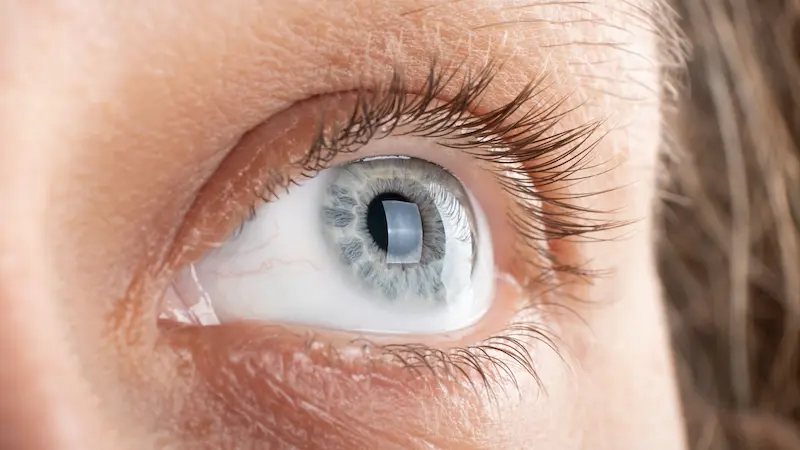
Embarking on the journey to restore your vision through a corneal transplant can feel overwhelming, especially when considering options abroad. However, choosing a corneal transplant in Turkey offers a compelling combination of world-class medical expertise, advanced technology, and significant cost savings, all within a country renowned for its hospitality. Our healthcare institution is dedicated to providing international patients with seamless, high-quality eye care, ensuring your experience is as comfortable and successful as possible. We understand the importance of clear vision and are committed to helping you achieve it through a safe and effective corneal transplant in Turkey. Our team of specialists is recognized for their high success rates and patient-focused approach, making us a leading choice for this life-changing procedure.
Table of Contents
Understanding Corneal Transplant Surgery
A corneal transplant is a sophisticated surgical procedure designed to replace a damaged or diseased cornea with healthy donor tissue, ultimately aiming to restore or significantly improve your vision. Understanding the fundamentals of this surgery, why it might be necessary, and its success rates can empower you to make informed decisions about your eye health. Pursuing a corneal transplant in Turkey means accessing some of the most advanced techniques and experienced surgeons in the field.
What Is a Corneal (Keratoplasty) Transplant?
Key takeaway: A corneal transplant, medically known as keratoplasty, is a surgical procedure where a damaged or diseased cornea is replaced with a healthy one from a donor, aiming to restore sight, reduce pain, and treat severe damage.
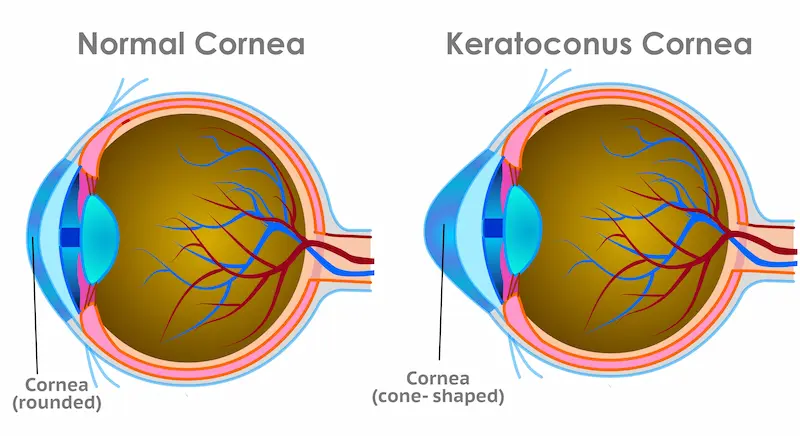
The cornea is the transparent, dome-shaped outer layer at the front of your eye. It acts like a window, focusing light as it enters your eye. When this window becomes cloudy, scarred, or misshapen, it can severely impair your vision. A cornea transplant involves surgically removing either the entire cornea or, more commonly, just the damaged layers, and replacing them with precisely matched donor tissue. This procedure is a cornerstone of modern ophthalmology and a highly effective solution for various corneal issues.
There are several types of corneal transplant surgeries:
- Penetrating Keratoplasty (PK): This is a full-thickness transplant where all layers of the central cornea are replaced. It’s often used for extensive scarring or conditions affecting multiple layers.
- Deep Anterior Lamellar Keratoplasty (DALK): This procedure replaces the outer and middle layers (stroma) while preserving the innermost layer (endothelium). It’s common for conditions like keratoconus where the endothelium is healthy.
- Endothelial Keratoplasty (EK): This involves replacing only the damaged inner endothelial layer. Techniques like DSEK and DMEK fall under this category and are often used for conditions like Fuchs’ dystrophy. EK procedures typically offer faster recovery and lower rejection risks.
Choosing a corneal transplant in Turkey provides access to surgeons skilled in all these advanced techniques, ensuring you receive the most appropriate treatment for your specific condition.
Why Would Someone Need a Cornea Transplant?
Key takeaway: You might need a cornea transplant if your cornea is damaged to a point where it significantly impairs vision or causes pain, and less invasive treatments are insufficient. Common causes include keratoconus, Fuchs’ dystrophy, scarring from infections or injuries, and complications from previous eye surgeries.
Many different conditions can lead to corneal damage that necessitates a transplant. Understanding why would someone need a cornea transplant helps clarify its importance.
Quick list: Common reasons for a cornea transplant:
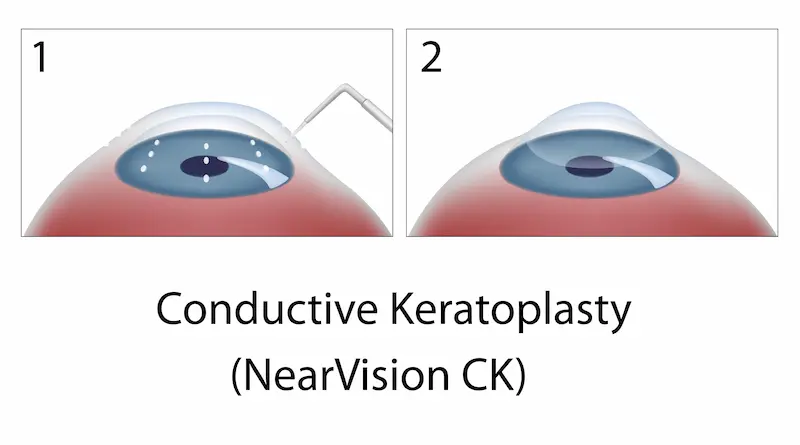
- Keratoconus: This condition causes the cornea to thin and bulge outward into a cone shape, leading to distorted and blurred vision. While glasses or contact lenses can help in early stages, advanced cases often require a transplant.
- Fuchs’ Endothelial Dystrophy: This is a hereditary condition where the endothelial cells (the inner layer of the cornea) gradually deteriorate. These cells pump fluid out of the cornea; when they fail, the cornea swells and becomes cloudy, causing hazy vision, especially in the morning.
- Corneal Scarring: Infections (like herpes simplex or fungal keratitis), injuries, or trauma can leave scars on the cornea, blocking or distorting light and causing vision loss.
- Corneal Ulcers: Severe, non-healing sores on the cornea, often caused by infection, can lead to significant scarring or even perforation (a hole in the cornea), requiring an emergency or planned cornea transplant.
- Corneal Swelling (Edema): Persistent swelling can occur after other eye surgeries, like cataract surgery, or due to underlying conditions.
- Complications from Previous Eye Surgery: In some cases, previous surgeries can inadvertently damage the cornea.
- Corneal Dystrophies (Other than Fuchs’): Several other inherited conditions can cause clouding in different layers of the cornea.
For many, a corneal transplant in Turkey is the definitive step toward reclaiming clear vision after struggling with these debilitating conditions.
Corneal Transplant Success Rates vs. Other Eye Procedures
Key takeaway: Corneal transplants have a very high success rate, often exceeding 90% for the graft remaining clear at one year, especially for conditions like keratoconus. While generally higher risk and with a longer recovery than procedures like LASIK or cataract surgery, it addresses fundamentally different and often more severe vision problems.
The cornea transplant success rate is impressively high, making it one of the most successful organ transplant procedures performed worldwide. Generally, over 90% of transplants for conditions like keratoconus or Fuchs’ dystrophy are successful in the initial years. The longevity varies, but many grafts last for 10 to 20 years or even longer. The success of your corneal transplant in Turkey depends on several factors, including the reason for the transplant, the type of procedure performed, your overall eye health, and adherence to aftercare.
How does it compare to other eye surgeries?
- LASIK: LASIK reshapes a healthy cornea to correct refractive errors (nearsightedness, farsightedness, astigmatism). It’s less invasive than a transplant with a much quicker recovery, but it cannot fix a diseased or scarred cornea. Its success is measured by visual acuity without glasses.
- Cataract Surgery: This procedure replaces a cloudy natural lens inside the eye, not the cornea. It’s extremely common and has a very high success rate and quick recovery. Sometimes, pre-existing corneal issues can affect cataract surgery outcomes, or vice versa.
While a corneal transplant is more complex and involves a longer recovery than LASIK or cataract surgery, it tackles more profound issues of corneal health. It’s not just about refining vision but often about restoring it from a state of significant impairment or blindness. The expertise of surgeons performing corneal transplant in Turkey contributes significantly to these high success rates, ensuring patients receive care comparable or superior to what’s available in the United States or Europe. We prioritize using the latest techniques, like EK and DALK, which often yield faster visual recovery and lower risks than traditional PK, further enhancing the success of your corneal transplant.
Costs & Pricing of Corneal Transplant in Turkey
Key takeaway: The corneal transplant cost is significantly lower in Turkey compared to the United States or Western Europe, often ranging from $7,000 to $12,000 USD, without compromising on quality, technology, or surgeon expertise. This affordability makes a corneal transplant in Turkey an accessible option for many international patients seeking high-value eye care.
One of the primary reasons patients travel globally for medical procedures is cost, and eye care is no exception. Turkey has emerged as a leading destination for medical tourism, offering advanced procedures like corneal transplants at highly competitive prices. It’s crucial to understand what these costs entail and how they compare internationally. Choosing a corneal transplant in Turkey means receiving care in JCI-accredited facilities with experienced surgeons at a fraction of the price you might pay at home. We believe in price transparency and providing comprehensive packages to ensure peace of mind for our patients.
Detailed Price Breakdown (Surgery, Hospital, Aftercare)
Key takeaway: A typical package for a corneal transplant in Turkey includes surgeon fees, hospital charges, the cost of the donor cornea, pre-operative tests, initial medications, and some post-operative follow-up appointments. Understanding the cornea transplant cost breakdown helps you plan effectively.
When considering how much is a cornea transplant, it’s important to know what’s included in the quoted price. While specific packages can vary, a comprehensive price for a corneal transplant in Turkey typically covers:
- Surgeon’s Fee: This covers the expertise and time of your highly qualified ophthalmologist.
- Anesthesiologist’s Fee: Costs associated with administering and monitoring anesthesia during the corneal transplant surgery.
- Hospital Fees: This includes the use of the operating room, advanced surgical technology, and nursing care. It may also cover an overnight stay if required.
- Donor Cornea Cost: A significant part of the expense is procuring a high-quality, screened donor cornea from reputable eye banks.
- Pre-Operative Tests: Essential evaluations like eye exams, corneal mapping, and blood tests to ensure you are a suitable candidate and plan the surgery.
- Initial Medications: This often includes the first set of eye drops (antibiotics, steroids, etc.) needed immediately after surgery.
- Post-Operative Consultations: Follow-up visits with your surgeon in Turkey before you travel back home.
Estimated Cost: While exact figures vary based on the specific procedure (PK, DALK, DMEK) and the hospital, the average corneal transplant cost in Turkey generally falls between $7,000 and $12,000 USD (or the equivalent in EUR). This represents a significant saving. We provide detailed, personalized quotes with no hidden fees, ensuring you understand exactly how much does a cornea transplant cost with us.
Corneal Transplant Cost in Turkey vs. United States & Europe
Key takeaway: Patients can save 50-70% or more on a corneal transplant in Turkey compared to undergoing the same procedure in the United States or many Western European countries, where costs can easily exceed $20,000 to $30,000 USD.
The difference in cornea transplant cost is striking. Let’s look at a general comparison:
| Region | Estimated Corneal Transplant Cost (USD) |
| Turkey | $7,000 – $12,000 |
| United States | $20,000 – $35,000+ |
| United Kingdom | £15,000 – £25,000+ |
| Germany | €18,000 – €30,000+ |
Why the significant difference? It’s not due to lower quality. Turkey’s cost advantage stems from:
- Lower Operating Costs: General overhead, staffing, and facility costs are lower in Turkey.
- Favorable Exchange Rates: For patients paying in USD, EUR, or GBP, the exchange rate often works to their advantage.
- Government Support: Turkey actively promotes medical tourism, fostering a competitive and high-quality healthcare environment.
- Efficient Eye Banking: Well-organized national and international eye bank collaborations help manage donor cornea costs.
This means you can access world-class surgeons, JCI-accredited hospitals, and the latest corneal transplant technologies at a much more manageable price point by choosing a corneal transplant in Turkey.
How Much Does Insurance Cover?
Key takeaway: Insurance coverage for a corneal transplant in Turkey varies greatly depending on your provider and plan. Most international patients should expect to pay out-of-pocket but find it cost-effective even without insurance due to the lower prices.
Navigating insurance coverage for medical procedures abroad can be complex. Here’s what you need to know:
- Check Your Policy: The first step is to contact your insurance provider directly. Ask specifically about their policy on “out-of-network” and “overseas” or “international” medical procedures. Some policies offer partial coverage or reimbursement, but many do not cover elective procedures performed abroad.
- Pre-Authorization: If your insurance might cover it, they will likely require extensive documentation and pre-authorization. Our international patient coordinators can assist by providing necessary medical reports and cost estimates.
- Travel Insurance: Standard travel insurance usually only covers emergency medical issues and typically excludes planned surgeries like a corneal transplant. You might explore specialized medical travel insurance, but read the fine print carefully.
- Out-of-Pocket Payment: Due to the complexities and frequent lack of coverage, the majority of patients having a corneal transplant in Turkey pay for the procedure themselves. The significant cost savings compared to the US or Europe often make this a financially viable option, even when factoring in travel and accommodation.
- Reimbursement Potential: Even if your insurance doesn’t pre-authorize, you might be able to submit a claim for reimbursement after the fact. We provide detailed invoices and medical records in English to support such claims.
While insurance might not be a straightforward path, the affordability of a corneal transplant in Turkey ensures it remains a powerful option for restoring vision without incurring crippling debt.
Choosing the Right Clinic & Surgeon
Key takeaway: Selecting the right facility and surgeon is paramount to the success of your corneal transplant in Turkey. Prioritize internationally accredited hospitals and highly experienced ophthalmologists with a specialization in corneal surgery to ensure the highest standards of safety, care, and outcomes.
The quality of healthcare in Turkey is high, but like anywhere, a thorough investigation is essential, especially when traveling for a significant procedure like an eye transplant. Your decision should be based on objective criteria such as hospital accreditations, surgeon qualifications, technological capabilities, and verifiable patient experiences. Our institution prides itself on excelling in all these areas, providing a trustworthy and expert environment for your corneal transplant in Turkey. We understand that trust is built on transparency and proven expertise, and we are committed to providing both.
Top Accredited Eye Hospitals & Clinics in Turkey
Key takeaway: Look for clinics and hospitals with international accreditations, particularly from the Joint Commission International (JCI). Turkey boasts numerous JCI-accredited facilities, indicating adherence to global standards of patient safety and quality of care. Our hospital is among these elite institutions.
When researching the best cornea transplant clinics in Turkey, accreditation is a key indicator of quality. JCI accreditation means a hospital has undergone rigorous evaluation and meets or exceeds international benchmarks in areas like:
- Patient safety protocols
- Surgical standards
- Infection control
- Staff qualifications
- Patient rights and education
Many leading Turkish hospitals, especially those catering to international patients in cities like Istanbul and Ankara, hold this prestigious accreditation. Our facility not only holds JCI accreditation but is also specifically renowned for its ophthalmology department. We feature:
- State-of-the-Art Diagnostics: Including advanced corneal topography, OCT (Optical Coherence Tomography), and endothelial cell counters for precise pre-operative planning.
- Modern Surgical Suites: Equipped with the latest generation femtosecond lasers (where applicable) and operating microscopes essential for complex corneal transplant surgery.
- Dedicated Eye Bank Access: Strong relationships with reputable national and international eye banks ensure timely access to high-quality donor tissue.
- International Patient Department: A multilingual team dedicated to assisting overseas patients with everything from consultations to travel arrangements and aftercare coordination.
Choosing an accredited hospital ensures your corneal transplant in Turkey is performed in an environment that prioritizes your safety and well-being above all else.
Best Corneal Transplant Doctors and Their Credentials
Key takeaway: The surgeon’s skill is the most critical factor in a successful corneal transplant. Seek out surgeons with extensive experience (hundreds or thousands of procedures), fellowship training in corneal diseases, and affiliations with respected medical societies. Our team includes some of the best cornea transplant doctors in Turkey.
An experienced surgeon can navigate the complexities of keratoplasty, manage potential complications, and significantly improve the chances of a successful outcome. When evaluating surgeons for your corneal transplant in Turkey, consider these E-E-A-T (Experience-Expertise-Authoritativeness-Trust) markers:
- Board Certification: Ensure the surgeon is board-certified in ophthalmology in Turkey.
- Fellowship Training: Look for surgeons who have completed additional fellowship training specifically in Cornea and External Eye Diseases. Many top Turkish surgeons have trained in Europe or the United States.
- Experience Volume: Ask how many corneal transplant procedures the surgeon performs annually and their overall experience. High volume often correlates with higher proficiency. Our lead surgeons have performed thousands of successful keratoplasties.
- Specialization: Confirm their focus is on corneal surgery, including advanced techniques like DALK and DMEK/DSEK, not just general ophthalmology.
- Academic Affiliations & Research: Surgeons involved in teaching or research are often at the forefront of their field.
- Patient Reviews: Look for feedback specifically mentioning the surgeon.
Our ophthalmology team is led by internationally recognized specialists. They possess extensive experience, often with decades dedicated to corneal surgery. They are members of prestigious international ophthalmological societies and contribute to research, ensuring that the care you receive for your corneal transplant in Turkey utilizes the most current and effective techniques.
Before-and-After Patient Results & Reviews
Key takeaway: Verifiable patient outcomes and testimonials offer invaluable insight into a clinic’s quality and the potential results of your corneal transplant in Turkey. Look for clinics that transparently share results and reviews while respecting patient privacy.
Seeing is believing, especially when it comes to vision restoration. While individual results vary, reviewing before and after cornea transplant cases can provide a realistic expectation of what a successful procedure can achieve. We encourage prospective patients to explore these resources:
- Patient Testimonials: We provide written and sometimes video testimonials from international patients who have undergone a corneal transplant at our facility. These share firsthand experiences about the procedure, recovery, and overall journey.
- Visual Acuity Data: We can share anonymized data on the visual outcomes our patients typically achieve, demonstrating our high success rates.
- Online Reviews: Independent review platforms and medical tourism forums can offer additional perspectives. Look for consistent themes in patient feedback regarding communication, care quality, and results.
- Consultations: During your initial consultation (often possible via video call), your surgeon can discuss expected outcomes based on your specific condition and show illustrative examples.
We are proud of the life-changing results we achieve for our patients. The positive feedback we receive underscores our commitment to excellence in every corneal transplant in Turkey we perform. These reviews often highlight not only the successful surgical outcomes but also the compassionate and comprehensive care provided by our entire team, from the initial contact to the final follow-up.
Preparing for Surgery: Pre-Op FAQs
Key takeaway: Thorough preparation is key to a successful corneal transplant in Turkey. This involves comprehensive eye evaluations, managing expectations, understanding risks and benefits, and planning your travel logistics well in advance. Our team provides full support throughout this pre-operative phase.
Once you’ve decided on a corneal transplant in Turkey, the preparation phase begins. This period is crucial for ensuring both your physical readiness for surgery and your mental preparedness for the journey and recovery. We aim to answer all your questions and make this process as smooth as possible. Proper preparation minimizes stress and contributes significantly to a positive outcome for your corneal transplant surgery. Let’s address some frequently asked questions during this stage.
Eye Evaluation, Contact Lenses, and Vision Goals
Key takeaway: A detailed pre-operative evaluation is essential to plan your corneal transplant. You will likely need to stop wearing contact lenses for a period before your assessment and surgery, and it’s vital to discuss your specific vision goals and expectations with your surgeon.
Before your corneal transplant in Turkey, you will undergo a comprehensive eye examination. This typically includes:
- Visual Acuity Test: Measuring your current level of vision.
- Corneal Topography/Tomography: Detailed mapping of your cornea’s shape and thickness.
- Pachymetry: Measuring corneal thickness.
- Endothelial Cell Count: Assessing the health of the innermost corneal layer.
- Intraocular Pressure (IOP) Measurement: Checking for glaucoma risk.
- Full Ophthalmic Exam: Inspecting the overall health of your eye, including the retina and optic nerve.
Contact Lenses: It is crucial to stop wearing contact lenses before your evaluation and surgery. The duration varies depending on the type of lens (soft or rigid gas permeable) and your surgeon’s preference, but it can range from one to several weeks. Contacts can temporarily alter the shape of your cornea, and stopping them ensures the most accurate measurements for planning your corneal transplant.
Vision Goals: It’s important to have a realistic discussion with your surgeon about expected vision outcomes. While a cornea transplant aims to significantly improve vision, achieving perfect 20/20 sight without glasses isn’t always the primary goal or outcome. Factors like the type of transplant, your underlying condition, and potential astigmatism will influence the final result. You will likely still need glasses or contact lenses for your best possible vision after recovery.
How Serious Is a Cornea Transplant? Risks & Benefits
Key takeaway: A cornea transplant is considered a major eye surgery and, like any transplant, carries potential risks. However, its benefits—primarily restoring sight and alleviating pain—are profound, and the procedure has a high success rate, especially when performed by experts.
Understanding how serious is a cornea transplant involves weighing its significant benefits against its potential risks.
Benefits:
- Vision Restoration: The most significant benefit, often restoring functional sight to individuals with severe impairment.
- Pain Relief: Can alleviate pain caused by diseased or damaged corneas.
- Improved Appearance: Replaces a cloudy or scarred cornea with a clear one.
- Treatment for Severe Conditions: Provides a definitive treatment for conditions unresponsive to other therapies.
Risks:
- Graft Rejection: This is the most significant risk, where your body’s immune system attacks the donor cornea. It occurs in about 10-20% of cases but is often manageable with medication if caught early. A corneal transplant in Turkey with experienced surgeons means vigilant monitoring for rejection.
- Infection: A risk with any surgery, minimized through sterile techniques and antibiotic eye drops.
- Glaucoma: Increased pressure inside the eye, which can damage the optic nerve.
- Cataracts: Clouding of the eye’s natural lens, which can sometimes be accelerated by the surgery or steroid use.
- Astigmatism: Irregular curvature of the transplanted cornea, often requiring glasses, contact lenses, or further procedures to correct.
- Wound Leak or Suture Issues: Problems with the incision site or stitches.
While these risks exist, it’s important to note that a corneal transplant is generally safe and highly successful. Choosing a reputable clinic for your corneal transplant in Turkey ensures that measures are taken to minimize these risks and that any complications are managed promptly and effectively.
Travel Tips for International Patients
Key takeaway: Planning your travel for a corneal transplant in Turkey involves coordinating flights, accommodation, local transport, and communication. Our international patient team can assist you, but careful personal planning is also essential.
Traveling abroad for surgery requires extra planning. Here are some tips for a smoother journey:
- Visa & Passport: Ensure your passport is valid for at least six months beyond your planned stay. Check Turkey’s visa requirements for your country; many nationalities can obtain an e-visa easily online.
- Flights: Book flights with some flexibility if possible. Plan to arrive at least 2-3 days before your surgery for pre-op assessments and to settle in. You will need to stay in Turkey for a minimum period after surgery (usually 1-2 weeks, sometimes longer, as advised by your surgeon) for initial follow-up.
- Accommodation: Choose accommodation close to the hospital or clinic for convenience, especially for post-op check-ups. Look for comfortable options suitable for recovery. Our team can often recommend or help book partner hotels.
- Local Transport: Familiarize yourself with options like taxis (use reputable apps or hotel-booked services) or ride-sharing. Istanbul has a good public transport system, but taxis might be more comfortable post-surgery.
- Communication: Consider getting a local SIM card upon arrival for affordable data and calls, or check international roaming plans. Translation apps can be helpful, though English is widely spoken in major hospitals and tourist areas.
- Packing: Pack comfortable clothing, necessary medications (with prescriptions), sunglasses (essential post-op), and entertainment for your recovery period. Don’t forget any required medical documents.
- Companionship: If possible, travel with a companion for support during your corneal transplant in Turkey journey.
Our international patient coordinators are here to help guide you through these logistics, ensuring your focus remains on your health and successful corneal transplant.
Recovery & Aftercare
Key takeaway: The cornea transplant recovery phase is as crucial as the surgery itself. It’s a gradual process requiring patience, strict adherence to your surgeon’s instructions, and regular follow-up appointments. Successful long-term outcomes for your corneal transplant in Turkey depend heavily on diligent aftercare.
Your corneal transplant surgery is just the first step; the journey back to clearer vision continues long after you leave the operating room. Recovery involves healing, vision stabilization, and monitoring for potential complications like rejection. While much of your long-term recovery will happen back home, the initial period in Turkey is vital for ensuring a good start. Our team provides comprehensive aftercare instructions and support for patients undergoing a corneal transplant in Turkey, ensuring you feel confident and cared for every step of the way.
Cornea Transplant Recovery Timeline and Success Tips
Key takeaway: Full cornea transplant recovery can take a year or more, with vision improving gradually. Key success tips include using eye drops exactly as prescribed, protecting your eye from injury, attending all follow-up visits, and immediately reporting any signs of rejection or infection.
The recovery timeline varies depending on the type of transplant (PK, DALK, EK) and individual healing factors. Here’s a general guide:
- First 24-48 Hours: You will wear an eye patch and shield. Some discomfort, light sensitivity, and watering are normal. You will start using prescribed eye drops.
- First Week: Vision will likely be blurry. You’ll have a follow-up visit before being cleared to travel home. Focus on rest and using drops.
- First Few Months: Vision starts to clear, but it fluctuates. You’ll continue using steroid eye drops (often for many months, tapering slowly) to prevent rejection. You must attend follow-up appointments with an eye doctor back home.
- 6-12+ Months: Vision stabilizes. Sutures (if any) may be selectively removed or adjusted to improve vision (reduce astigmatism). You might be fitted for glasses or contact lenses.
Success Tips:
- Medication is Critical: Use your antibiotic and steroid eye drops precisely as directed. Never stop them suddenly without consulting your doctor.
- Protect Your Eye: Wear the eye shield at night (or as advised) to prevent accidental rubbing or pressure. Wear sunglasses outdoors to protect against UV light and reduce sensitivity.
- Avoid Strain: Do not rub or press on your eye. Avoid heavy lifting, strenuous exercise, and swimming until your surgeon gives the okay.
- Hygiene: Wash your hands thoroughly before touching your eye or administering drops.
- Attend Follow-Ups: These are essential for monitoring graft health, adjusting medications, and managing astigmatism. Even after your corneal transplant in Turkey, you need ongoing care locally.
- Know the Warning Signs (RSVP): Contact your doctor immediately if you experience Redness, Sensitivity to light, Vision decrease, or Pain. These can be signs of rejection or infection and require prompt treatment.
How Long Do Stitches Stay In, and How Do You Sleep After Surgery?
Key takeaway: Stitches from a corneal transplant (usually with PK or DALK) can remain in place for many months, sometimes over a year, and are often removed gradually. After surgery, you must sleep wearing an eye shield and typically on your back to avoid pressure on the operated eye.
How long do stitches stay in after corneal transplant? This is a common question, and the answer varies. Unlike stitches for a skin cut, corneal sutures are very fine and designed to stay in place for a long time while the cornea heals.
- PK & DALK: These procedures involve numerous stitches (often 16 or more) holding the donor cornea in place. These sutures usually stay in for at least several months, and often for a year or longer. Your surgeon will monitor the healing and may start removing some stitches selectively after 3-6 months to help reduce astigmatism and improve vision. Sometimes, all stitches are eventually removed, while in other cases, some may remain indefinitely.
- EK (DSEK/DMEK): These procedures often require few or no stitches, as an air or gas bubble holds the new tissue in place initially.
How do you sleep after a corneal transplant? Proper sleep positioning is vital to protect your eye.
- Eye Shield: You must wear the protective shield provided by your surgeon every time you sleep (including naps) for at least the first few weeks, or as long as recommended. This prevents you from accidentally rubbing or putting pressure on your eye.
- Sleeping Position: It’s generally recommended to sleep on your back, possibly with your head slightly elevated on an extra pillow to help reduce swelling. Avoid sleeping on the side of the operated eye. For EK procedures, you might be asked to lie flat on your back for a period to help the bubble position the graft correctly.
Following these guidelines after your corneal transplant in Turkey is crucial for a smooth healing process.
How Soon Can I Drive After a Corneal Transplant?
Key takeaway: You should not plan to drive for several weeks, and potentially several months, after your corneal transplant. The exact timing depends on how quickly your vision stabilizes, your surgeon’s approval, and meeting the legal vision requirements for driving in your home country.
How soon can I drive after a corneal transplant? This is a significant concern for many patients aiming to regain independence. However, rushing back to driving is unsafe. Several factors determine when it’s appropriate:
- Vision Stability: Your vision will be blurry and fluctuating for a considerable time after surgery. You need stable, clear enough vision to meet legal driving standards.
- Binocular Vision: Driving safely requires good vision in both eyes, especially for depth perception. If your other eye has poor vision, this will prolong the time until you can drive.
- Astigmatism: High levels of astigmatism are common after a corneal transplant and can significantly blur vision until corrected with glasses, contacts, or suture removal/adjustment.
- Surgeon’s Approval: Your ophthalmologist must assess your vision and eye health and give you explicit permission to drive.
- Legal Requirements: You must meet the minimum vision standards for driving set by your local Department of Motor Vehicles or equivalent authority.
General Timeline: While it varies greatly, most patients should not expect to drive for at least 4-8 weeks, and often much longer. For some, especially after PK, it might be 6 months to a year or more before vision is stable and clear enough for safe driving. Patients undergoing a corneal transplant in Turkey must arrange for transport during their stay and for their journey home, understanding that they will not be able to drive themselves immediately upon return.
Benefits, Risks, and Frequently Asked Questions
Key takeaway: A corneal transplant in Turkey offers significant advantages in cost and quality, but like any surgery, it involves risks. Understanding these, knowing how to minimize them, and having your common questions answered can help you approach your procedure with confidence.
Making the decision to undergo a corneal transplant is significant. We’ve explored the procedure, costs, and recovery, but it’s helpful to consolidate the key benefits and risks and address some lingering questions. Our goal is to provide a clear, comprehensive picture so you can feel fully informed about choosing our institution for your corneal transplant in Turkey. We believe transparency and patient education are cornerstones of excellent medical care.
Advantages of Having Your Eye Transplant in Turkey
Key takeaway: The primary advantages of choosing a corneal transplant in Turkey are the exceptional balance of high-quality care, access to experienced surgeons and modern technology, and significantly lower costs compared to the United States or Western Europe, all within an established medical tourism framework.
Why do so many international patients choose Turkey for their eye transplant needs? The benefits are multi-faceted:
- Cost-Effectiveness: As detailed earlier, savings can reach 50-70% or more, making world-class eye care accessible. This allows patients to afford procedures that might be out of reach at home, even when factoring in travel.
- High Standards of Care: Turkey boasts a large number of JCI-accredited hospitals. These facilities adhere to the same, or even higher, standards of patient safety, technology, and care as top hospitals in the US and Europe. Our institution exemplifies these high standards.
- Expert Surgeons: Turkish ophthalmologists, especially those specializing in keratoplasty, are often internationally trained and highly experienced. You gain access to some of the best minds in corneal surgery.
- Advanced Technology: Turkish eye clinics invest heavily in the latest diagnostic and surgical equipment, ensuring you benefit from modern techniques like DALK and DMEK, which can offer better outcomes and faster recovery.
- Reduced Wait Times: Access to efficient eye bank networks and streamlined surgical scheduling often means shorter waiting times for a corneal transplant compared to some public healthcare systems.
- Medical Tourism Infrastructure: Turkey is a leader in medical tourism. Clinics are experienced in catering to international patients, offering comprehensive packages, language support, and assistance with logistics, making the experience of having a corneal transplant in Turkey much smoother.
- Hospitality: Turkish culture is known for its warmth and hospitality, ensuring patients feel welcomed and cared for during their stay.
Potential Complications and How to Minimize Them
Key takeaway: While a corneal transplant has a high success rate, potential complications like rejection, infection, glaucoma, and astigmatism exist. Minimizing these risks involves choosing an expert team, diligently following aftercare protocols, and seeking prompt attention if issues arise.
We discussed risks earlier, but it’s crucial to understand how they are managed and minimized, especially when having a corneal transplant in Turkey:
- Graft Rejection:
- Minimization: Careful donor matching, precise surgical technique, and, most importantly, strict adherence to steroid eye drop schedules. These drops suppress the immune response. Our surgeons tailor a long-term, tapering schedule for you.
- Action: Know the RSVP signs (Redness, Sensitivity, Vision decrease, Pain) and contact your doctor immediately if they occur. Early treatment often reverses rejection.
- Infection:
- Minimization: Performed in a sterile JCI-accredited operating room, use of pre- and post-operative antibiotic drops, and proper hand hygiene when administering drops.
- Action: Report any increasing pain, discharge, or redness promptly.
- Glaucoma (High Eye Pressure):
- Minimization: Regular pressure checks during follow-up visits. Steroid use (necessary for rejection prevention) is a major cause, so careful monitoring is key.
- Action: Your eye doctor can prescribe pressure-lowering drops if needed.
- Astigmatism:
- Minimization: Skilled surgical technique helps, but some astigmatism is common.
- Action: This is managed during recovery through suture adjustments/removal and ultimately corrected with glasses or specialized contact lenses.
Choosing our experienced team for your corneal transplant in Turkey ensures you benefit from meticulous surgical techniques and comprehensive pre- and post-operative care designed to minimize these risks and maximize your vision outcome.
Patient Guide: Common Questions Answered
Key takeaway: Addressing common patient questions helps demystify the corneal transplant process. From pain management to donor sources and long-term outlook, we provide clear answers.
Here are answers to some questions frequently asked by patients considering a corneal transplant in Turkey:
Will the surgery hurt?
The surgery itself is performed under local or general anesthesia, so you won’t feel pain. Post-operatively, some discomfort, grittiness, or mild pain is common but usually well-managed with prescribed pain relievers and eye drops.
Where does the donor cornea come from?
Donor corneas are sourced from deceased individuals who chose to donate their eyes. They come from reputable national and international eye banks and undergo rigorous screening for diseases and tissue quality.
Will my eye look different?
Generally, no. The new cornea is clear, replacing a cloudy or scarred one, so your eye will likely look clearer and healthier, but its fundamental appearance (like color) remains unchanged.
Is this a full ‘eye replacement surgery’?
No. A corneal transplant only replaces the clear front ‘window’ of the eye, not the entire eyeball. It is not an ‘eye transplant’ in the sense of replacing the whole organ.
How long will my transplant last?
Many grafts last for 10-20 years or more. Longevity depends on the original reason for the transplant, rejection episodes, and overall eye health. If a graft fails, a repeat corneal transplant is often possible.
When can I return to work?
This varies greatly. Desk jobs might be possible within 2-4 weeks, but jobs requiring physical exertion or exposure to dusty environments will require a longer absence. Discuss this with your surgeon.
Will I need an ‘eye doctor’ at home?
Absolutely. Long-term follow-up care is essential after your initial recovery from your corneal transplant in Turkey. We will help coordinate care with an ophthalmologist in your home country.
What if I need help after returning home?
We remain available for consultations via email or video call and will work closely with your local eye doctor to ensure you receive continuous care.
While we pride ourselves on being a premier destination for your corneal transplant in Turkey, our commitment to providing world-class, affordable healthcare extends across a wide spectrum of advanced medical fields. Our internationally accredited institution and expert surgical teams are equipped to handle complex procedures with the same level of dedication and excellence.
If you or a loved one are researching other treatments, we invite you to explore our comprehensive guides on life-changing procedures such as Liver Transplant, Discectomy Surgery, Spinal Tumor Surgery, Scoliosis Surgery, and Brain Tumor Surgery. We also specialize in advanced oncological care like Liver Tumor Treatment and offer a full range of aesthetic and reconstructive plastic surgery options. Please browse our resources to learn more about how our multidisciplinary teams can support your health journey.