Skip to content
When chronic back pain or spinal instability affects your daily life, spinal fusion surgery in Turkey offers an advanced and affordable path to recovery. Combining world-class neurosurgical expertise, cutting-edge medical technology, and internationally accredited hospitals, Turkey has become a leading destination for patients seeking safe and effective spinal care.
Table of Contents
Why is Turkey a Global Leader in Spinal Fusion Surgery?
Over the past decade, spinal fusion in Turkey has gained international recognition for its precision, innovation, and patient-centered approach. Medical tourists from the UK, Europe, and the Middle East choose Turkey not only for its affordability but also for the exceptional surgical outcomes achieved in its specialized spine centers. Hospitals in Istanbul, Ankara, and Izmir are equipped with robotic-assisted technology and perform thousands of complex spinal procedures each year, ensuring both high success rates and patient satisfaction.
Unbeatable Value: Comparing Spinal Fusion Costs in Turkey vs. the UK, Europe, and the US
One of the key reasons behind Turkey’s growing popularity is the spinal fusion cost in Turkey, which is significantly lower compared to Western countries. While a single-level spinal fusion surgery in the UK or US may cost between $35,000 and $60,000, the same procedure in Turkey ranges from $6,000 to $12,000 — often including hospital stay, medications, and post-operative care. This cost advantage does not come at the expense of quality. Turkish hospitals maintain international accreditation (such as JCI and ISO), ensuring Western-level safety and clinical standards.
Medical tourists also benefit from all-inclusive packages that cover airport transfers, accommodation, translation support, and follow-up appointments. This transparency and value-based approach make back surgery in Turkey a preferred choice among global patients.
Access to World-Class Neurosurgeons and JCI-Accredited Hospitals
Turkey’s reputation in spinal surgery in Istanbul and other major cities is built upon the expertise of its neurosurgeons and orthopedic specialists. Many leading surgeons are trained in Europe or the United States and specialize in advanced spine correction techniques, including scoliosis surgery in Turkey, cervical and lumbar fusion, and minimally invasive procedures.
Hospitals like Acibadem, Florence Nightingale, and Memorial Health Group are JCI-accredited, equipped with intraoperative 3D navigation, neuromonitoring, and robotic surgical systems. These innovations enhance surgical precision, minimize blood loss, and accelerate recovery. Patients also appreciate the compassionate, multilingual medical teams that provide 24/7 assistance, ensuring comfort and confidence throughout the treatment journey.
The Latest in Surgical Technology: Robotic and Minimally Invasive Options
Modern spinal fusion surgery in Turkey integrates robotic navigation systems and advanced imaging technologies that revolutionize traditional spine operations. Minimally invasive approaches allow surgeons to stabilize vertebrae through tiny incisions, resulting in reduced scarring, faster healing, and shorter hospital stays. Robotic-assisted spinal fusion enhances alignment accuracy and implant positioning, which are critical to long-term spinal stability.
Patients undergoing scoliosis surgery in Turkey or multi-level fusions particularly benefit from these technologies, as they minimize complications and improve spinal curvature correction rates. The use of titanium and biocompatible implants further enhances durability and patient mobility post-surgery.
Are You an Ideal Candidate for Spinal Fusion?
Before deciding on surgery, understanding whether you are a good candidate for spinal fusion in Turkey is essential. The procedure is typically recommended for patients with structural instability of the spine caused by trauma, degeneration, or deformity. Specialists conduct a full diagnostic evaluation, including MRI and CT scans, to determine suitability and plan the optimal surgical approach.
Common Conditions We Treat: From Scoliosis to Degenerative Disc Disease
Spinal fusion surgery in Turkey is frequently performed for chronic conditions that do not respond to non-surgical treatments. Common indications include:
- Degenerative disc disease: When spinal discs lose height and cushioning, causing vertebral instability and pain.
- Scoliosis and kyphosis: Abnormal spinal curvature corrected through fusion and alignment procedures.
- Spondylolisthesis: Vertebral slippage that compresses nerves, leading to leg pain and weakness.
- Spinal fractures or infections: Stabilized through bone grafts and implants to restore strength and balance.
Whether it’s a single-level fusion for a damaged disc or complex scoliosis surgery in Turkey, each procedure is customized based on the patient’s spinal anatomy and lifestyle needs.
Key Signs That Spinal Fusion Could Be Your Solution
Patients considering back surgery in Turkey often experience persistent symptoms such as chronic lower back pain, nerve compression, numbness, or limited motion despite months of conservative therapy. If your MRI shows structural damage, spinal instability, or deformity that restricts daily function, fusion may be the definitive solution to restore stability and reduce pain long term.
A consultation with the best spinal surgeon in Turkey helps confirm whether your condition meets surgical criteria. Surgeons will review medical history, physical activity levels, and imaging results to recommend the safest and most effective treatment plan.
The Comprehensive Evaluation Process for International Patients
For international patients, clinics offering spinal surgery in Istanbul provide a seamless pre-arrival evaluation. Through a free virtual consultation, you can share MRI scans and medical history online for review. After this assessment, the medical team prepares a personalized treatment plan detailing surgical options, recovery timeline, and full cost transparency.
This structured approach ensures that patients arrive in Turkey fully informed and confident about their procedure, with all logistics such as visa support, airport transfers, and accommodation already arranged.
Your Spinal Fusion Surgery Journey in Turkey: A Step-by-Step Guide
Planning spinal fusion surgery in Turkey is a structured and transparent process designed for international patients. From your first online consultation to your recovery in a modern rehabilitation facility, each stage is carefully coordinated. Turkish medical institutions focus on comfort, clarity, and continuity of care, ensuring that every patient feels supported and informed throughout their journey.

Step 1: Your Free Virtual Consultation and Treatment Planning
Your journey begins with a virtual consultation. Patients can send MRI scans, X-rays, or reports to a specialist spine center in Turkey for a preliminary evaluation. The best spinal surgeons in Turkey review your case, identify the root cause of pain, and propose a tailored surgical approach.
During this stage, the hospital’s international coordination team provides:
- A clear treatment plan, including the type of spinal fusion surgery recommended.
- Estimated spinal fusion cost in Turkey, with optional all-inclusive package details.
- Expected recovery timeline and postoperative rehabilitation plan.
This consultation is completely free of charge and obligation. It helps patients make an informed decision before booking their travel. Transparency at this stage is one of the key reasons patients trust spinal surgery in Istanbul and other Turkish cities for major spine procedures.
After the evaluation, your coordinator finalizes travel dates, books your accommodation, and arranges airport pick-up. Every detail — from hotel reservations to interpreter services — is handled on your behalf.
Step 2: Arrival, Pre-Operative Tests, and Meeting Your Surgeon
Once you arrive in Turkey, your dedicated medical concierge greets you at the airport and takes you to your hotel or hospital accommodation. The following day begins with comprehensive pre-operative testing, including:
- Blood tests and physical examination
- Electrocardiogram (ECG)
- MRI and CT imaging review
- Anesthesiology consultation
You then meet your spinal fusion surgeon in Turkey, who personally explains the surgical plan, expected outcomes, and recovery process. Patients often express relief at the thoroughness and compassion shown by Turkish surgeons, many of whom have trained in top international institutions.
The goal of this meeting is to ensure full understanding and comfort before proceeding. Unlike many healthcare systems elsewhere, Turkey’s hospitals emphasize direct patient-surgeon communication — a hallmark of patient-centered care that enhances trust and satisfaction.
Once all tests are complete, you’ll receive your surgical date, fasting instructions, and hospital admission details.
Step 3: The Day of Your Surgery and Immediate Post-Op Hospital Care
On the morning of your operation, the hospital team prepares you for spinal fusion surgery in Turkey under strict safety standards. The procedure is typically performed under general anesthesia and may last between 3–6 hours, depending on the number of vertebrae fused.
During the operation, your surgeon uses advanced imaging and neuromonitoring to ensure nerve protection and precise alignment. In many cases, minimally invasive spinal fusion techniques are used, resulting in smaller incisions, less blood loss, and faster recovery.
After the surgery:
- You’ll spend the first 24 hours under close monitoring in a recovery unit.
- Pain management, wound care, and early mobilization protocols begin immediately.
- Within 2–3 days, you may start gentle walking with assistance.
Most patients remain hospitalized for 4–6 days, depending on their condition and response to treatment. Turkish hospitals are known for their luxury-level patient rooms, multilingual nursing staff, and attentive rehabilitation teams that focus on comfort as well as progress.
Before discharge, your surgeon provides a full medical report, medication list, and rehabilitation recommendations. If you opted for an all-inclusive medical travel package, your coordinator will continue to assist you with check-out, transportation, and recovery arrangements.
Understanding the Spinal Fusion Procedure and Techniques
A successful spinal fusion in Turkey depends on the combination of advanced techniques and precise execution. Patients often want to understand how the surgery works — and what makes Turkish facilities particularly reliable for this complex operation.
What Happens During Spinal Fusion Surgery? A Simple Explanation
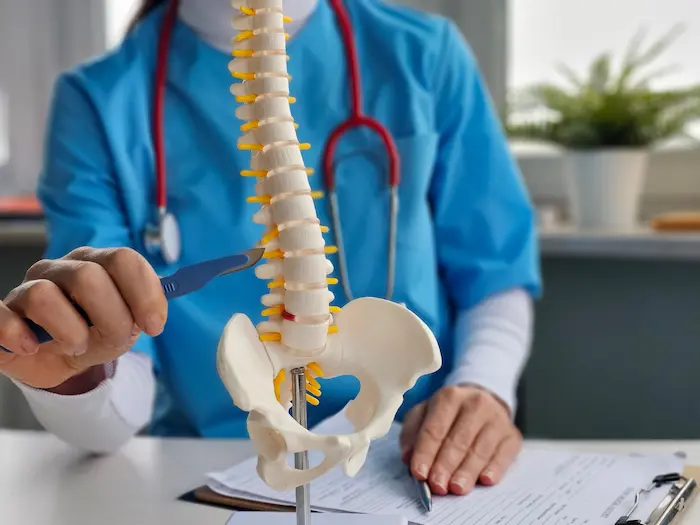
The goal of spinal fusion surgery is to permanently join two or more vertebrae, eliminating motion between them and stabilizing the spine. The surgeon places bone grafts or synthetic materials between the affected vertebrae. Over time, these grafts fuse naturally, creating a single solid bone segment.
In Turkey, surgeons use cutting-edge intraoperative imaging to guide implant placement and ensure optimal alignment. Titanium screws, rods, or cages are commonly used for structural support. This precision allows for long-lasting pain relief and correction of spinal deformities like scoliosis.
Minimally Invasive vs. Traditional Surgery: Which is Right for You?
Patients often wonder whether they qualify for minimally invasive spinal fusion. In Turkey, both traditional open and minimally invasive techniques are available. The choice depends on your diagnosis, spinal condition, and previous medical history.
- Minimally invasive fusion: Involves small incisions, tubular retractors, and endoscopic visualization. Best for single-level fusions and faster recovery.
- Traditional fusion: Required for complex deformities or multi-level instability such as scoliosis surgery in Turkey.
Your surgeon will recommend the best method after reviewing your imaging results. The aim is always to balance surgical safety, pain relief, and long-term spinal strength.
Bone Grafts and Implants: The Building Blocks of a Stronger Spine
The success of back surgery in Turkey also depends on the quality of bone graft materials and implants. Bone grafts may come from your own body (autograft), a donor (allograft), or synthetic materials that promote new bone growth.
High-quality titanium and PEEK implants are widely used in Turkey, imported from the USA and Germany. These materials are biocompatible, lightweight, and durable, providing stability while the bone naturally fuses. With modern materials and sterile surgical environments, complication rates remain remarkably low.
The Road to Recovery: Life After Your Surgery
Completing spinal fusion surgery in Turkey marks the beginning of a new phase — recovery, rehabilitation, and rediscovering a pain-free life. Turkish spine centers emphasize continuous support, ensuring that every patient’s postoperative journey is as smooth as the surgical experience. Recovery from spinal fusion in Turkey involves patience, guided therapy, and adherence to a personalized rehabilitation plan created by your surgeon and physiotherapist.
The overall recovery process may vary depending on your age, general health, and surgical technique (traditional or minimally invasive). However, most patients report significant improvements in mobility and daily comfort within a few weeks.
Your Week-by-Week Recovery Timeline: What to Expect
Immediately after back surgery in Turkey, patients stay in the hospital for 4–6 days for pain management, wound care, and initial mobilization. Physiotherapists begin gentle exercises as soon as possible to restore circulation and prevent stiffness.
Week 1–2:
- Begin walking short distances under supervision.
- Pain is controlled with prescribed medication.
- Your incision site is checked regularly, and dressings are changed by medical staff.
Week 3–6:
- Gradual increase in activity levels, avoiding bending or heavy lifting.
- Many international patients remain in Turkey for follow-up appointments and physiotherapy during this stage.
- Surgeons assess spinal alignment through imaging before discharge.
Week 7–12:
- Patients can resume light office work and daily routines.
- Pain typically subsides significantly, though stiffness may persist.
- Consistent physical therapy ensures safe strengthening of back muscles.
Month 3–6:
- Bone grafts continue to solidify, stabilizing the spine.
- Patients regain flexibility and can participate in moderate exercise such as swimming or walking.
- Those who underwent scoliosis surgery in Turkey may wear a back brace temporarily for posture correction.
By the 6th month, most patients experience restored movement, reduced pain, and confidence in daily life — a testament to the long-term success of spinal fusion surgery in Turkey.
The Crucial Role of Physical Therapy and Rehabilitation
Rehabilitation plays a pivotal role in spinal recovery. After surgery, muscles that support your spine must relearn proper movement and strength. Clinics offering spinal surgery in Istanbul integrate physical therapy into every patient’s care plan.
A typical rehabilitation program includes:
- Core-strengthening exercises: to support spinal stability.
- Flexibility training: to prevent stiffness and improve motion range.
- Posture correction therapy: for proper spinal alignment after fusion.
- Pain management techniques: such as hydrotherapy, TENS, and massage.
Physiotherapists guide patients through each session, monitoring progress and adapting routines as needed. Many Turkish hospitals feature modern rehabilitation centers within the same facility, allowing seamless transition from surgery to recovery.
For international patients, clinics also provide digital follow-up programs — you can continue receiving guidance through online physiotherapy sessions after returning home. This ensures consistent progress and safety during the healing process.
Long-Term Success: Activities, Lifestyle, and Lasting Results
After a few months, patients can return to an active, pain-free life. However, maintaining good habits is crucial for the longevity of your spinal fusion in Turkey results. Your surgeon will likely recommend long-term adjustments such as:
- Maintaining a healthy weight to reduce spinal pressure.
- Regular low-impact exercise like swimming, walking, or yoga.
- Avoiding smoking, which can slow bone fusion and healing.
- Using ergonomic furniture to support spinal posture at work.
Patients who undergo back surgery in Turkey often express gratitude for the life-changing improvements they experience — the ability to move freely, sleep without pain, and enjoy daily activities again. The bone grafts used in fusion create permanent stability, meaning once healing is complete, the results are typically long-lasting.
Some patients may also receive additional support from nutritionists or pain management specialists, ensuring a full-circle approach to recovery. The combination of medical expertise, follow-up care, and rehabilitation excellence is what makes Turkey’s spinal treatment centers globally trusted for complex spinal conditions.
Planning Your Treatment: Costs, Packages, and Top Surgeons
Before embarking on this medical journey, understanding your options, expenses, and specialists helps you make an informed decision. Clinics offering spinal fusion surgery in Turkey are transparent about pricing and offer tailored packages that include every aspect of your stay — from medical care to comfort services.
A Transparent Breakdown of Spinal Fusion Surgery Costs in Turkey
The spinal fusion cost in Turkey typically ranges from $6,000 to $12,000 depending on factors like the number of vertebrae fused, hospital grade, and whether the procedure is minimally invasive. Unlike Western healthcare systems where hidden fees often occur, Turkish hospitals provide upfront cost breakdowns.
Your quote usually includes:
- Surgeon and anesthesiologist fees
- Hospital stay and medications
- Pre-operative imaging and lab tests
- Postoperative care and physiotherapy sessions
Comparatively, the same operation in the US or UK can cost up to five times more, even before accommodation and recovery expenses are added. This affordability, combined with internationally recognized quality, is why so many patients choose spinal surgery in Istanbul and other major Turkish cities.
What’s Included in Our All-Inclusive Treatment Packages?
Medical tourism agencies and hospitals in Turkey offer all-inclusive spinal fusion packages designed for convenience and comfort. Standard packages generally include:
- Free pre-arrival online consultation and treatment plan
- Airport transfers and interpreter assistance
- 5–7 nights of hospital stay and 3–5 nights of hotel accommodation
- Full board meals and nursing care
- Medical reports in English
- Follow-up appointment and physiotherapy sessions
This level of organization allows international patients to focus solely on recovery while every logistical detail is handled professionally. Many centers also provide video follow-ups after patients return home to ensure continuous recovery monitoring.
How to Choose the Best Spinal Fusion Surgeon in Turkey
Selecting the best spinal surgeon in Turkey is perhaps the most important step in achieving excellent results. Here’s what to look for:
- Board certification in orthopedics or neurosurgery
- Specialized experience in spinal fusion and deformity correction
- Use of robotic or navigation-assisted surgical systems
- Positive patient reviews and international accreditation
Before deciding, request a virtual meeting with your potential surgeon. Discuss your concerns, review imaging, and ask about previous case outcomes. Turkey’s medical professionals are known for their open communication and commitment to patient satisfaction — qualities that reinforce confidence before undergoing spinal fusion surgery in Turkey.