Skip to content
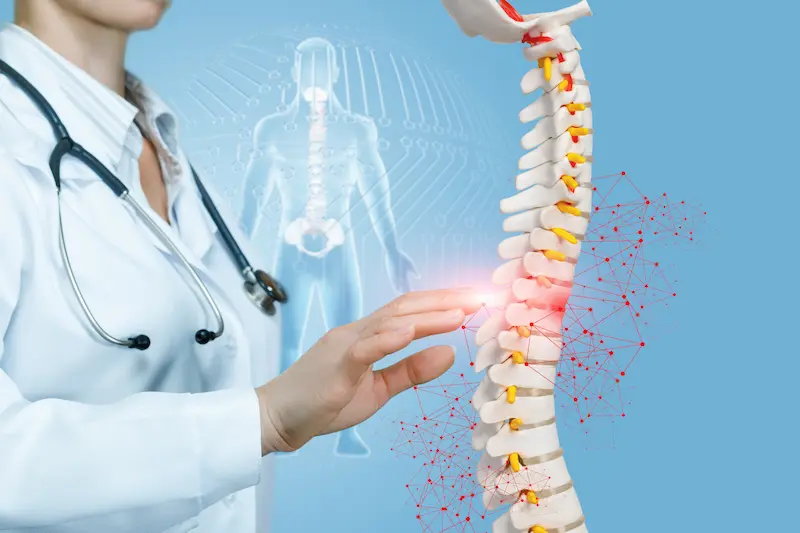
Recovering from orthopedic surgery is a gradual process that requires patience, commitment, and proper medical guidance. Whether you’ve undergone joint replacement, knee surgery, or shoulder surgery, your recovery plan will determine how quickly and safely you regain mobility and strength. Understanding what to expect during your orthopedic surgery recovery helps reduce anxiety, improve results, and avoid complications.
Table of Contents
Your Orthopedic Surgery Recovery Timeline: From Hospital to Home
Every patient’s journey is unique, but most follow a structured timeline during recovery after surgery. The healing process begins in the hospital and continues for several weeks at home. Below is a general overview of what to expect during each stage of post-op orthopedic care.
The First 24 Hours: What Happens Immediately After Surgery?
Right after your operation, you’ll wake up in the recovery room under close monitoring by your healthcare team. They’ll track your vital signs, manage pain, and prevent complications like bleeding or infection. Pain and swelling are normal at this stage, but you’ll receive prescribed medication to keep you comfortable.
Most patients are encouraged to begin gentle movement—sometimes even standing with assistance—to prevent stiffness and blood clots. In major procedures like knee replacement or shoulder surgery, early motion is key to maintaining joint flexibility.
Your medical team will also teach you how to move safely without putting stress on the surgical area. You might use assistive tools like walkers or crutches. Proper breathing exercises and fluid intake are essential to prevent lung and urinary issues during the initial recovery phase.
Week 1–2: Managing Pain and Beginning Mobility
Once discharged, your focus shifts to pain management and gradual mobility restoration. Swelling and bruising are still common, so you’ll use ice packs, elevation, and compression to reduce inflammation. Continue taking medications as prescribed, and avoid skipping doses.
In this phase, patients start short walks or basic range-of-motion exercises recommended by their surgeon or physical therapist. The goal is not to regain full strength yet, but to keep the muscles active and prevent stiffness. Nutrition plays a role too—protein, vitamins, and hydration support tissue repair and immune function.
Avoid lifting heavy objects or sudden twisting movements. If you feel increased pain, fever, or unusual drainage from the incision, contact your doctor immediately. These may be signs that your post-op orthopedic care plan needs adjustment.
Weeks 3–6: The Role of Physical Therapy and Regaining Function
By the third week, your physical therapy after surgery becomes more structured. Your therapist designs exercises that focus on rebuilding strength, balance, and flexibility. This phase marks a significant shift from passive recovery to active rehabilitation.
Common activities include controlled stretching, resistance training, and gait retraining for lower-limb surgeries. Regular attendance and effort during these sessions directly affect your final outcome. Consistency helps accelerate healing, reduce stiffness, and restore coordination.
For example, knee surgery recovery patients often practice bending and straightening the joint with minimal discomfort, while shoulder surgery recovery focuses on improving range of motion through gentle arm lifts and rotations. Patients begin to notice significant improvement in movement and confidence.
Month 2 and Beyond: Returning to Normal Activities and Long-Term Healing
At this point, most patients experience noticeable progress. Swelling subsides, pain decreases, and energy levels improve. You can usually walk, climb stairs, or perform light household activities with minimal discomfort. However, complete orthopedic surgery recovery can take several months depending on the procedure’s complexity and your overall health.
Your physical therapist may increase exercise intensity to strengthen surrounding muscles and stabilize joints. Long-term recovery focuses on preventing re-injury through balance training and posture correction. It’s essential not to rush back into strenuous activities or sports too soon.
If you follow your post-op orthopedic care instructions, maintain proper nutrition, and stay consistent with therapy, you can expect a safe return to your normal routine. Recovery is not just about healing physically—it’s about regaining independence and quality of life.
Mastering Pain Management: Techniques That Actually Work
Managing pain effectively is one of the most crucial aspects of orthopedic surgery recovery. Uncontrolled pain can delay rehabilitation and hinder progress. Your doctor will design a customized plan combining medication, non-drug approaches, and lifestyle strategies to keep discomfort under control.
Understanding Your Prescription Medications
After surgery, your doctor may prescribe a combination of pain relievers, anti-inflammatories, and muscle relaxants. Follow dosage instructions carefully to avoid side effects or dependency. Over time, as your pain decreases, your physician will taper medications to transition you to non-prescription options safely.
Non-Medication Pain Relief: Ice, Elevation, and More
Simple, natural pain relief techniques can be incredibly effective when used consistently. Applying ice packs for 15–20 minutes several times daily reduces swelling and inflammation. Keeping the surgical area elevated helps minimize fluid accumulation, while compression wraps provide joint stability.
In addition, relaxation techniques such as deep breathing, meditation, or gentle stretching improve circulation and help your body heal faster. These non-invasive strategies are often used alongside physical therapy after surgery to support comfort and flexibility.
When to Call Your Doctor About Pain
It’s normal to feel mild to moderate discomfort during recovery after surgery, but certain symptoms warrant medical attention. If your pain suddenly worsens, becomes sharp or burning, or is accompanied by fever, redness, or swelling around the incision, contact your healthcare provider immediately.
Persistent or severe pain could indicate infection, nerve irritation, or issues with surgical implants. Timely intervention ensures proper healing and prevents long-term complications. Remember: recovery should gradually get easier, not harder.
The Crucial Role of Physical Therapy in Your Recovery
Physical therapy after surgery is the foundation of successful orthopedic surgery recovery. It helps restore joint mobility, rebuild muscle strength, and improve overall function. Skipping or neglecting therapy can delay healing and increase the risk of stiffness or re-injury. From your first therapy session to your final assessment, consistent effort and professional guidance make all the difference.

What to Expect at Your First Physical Therapy Session
Your first visit usually begins with an assessment of your mobility, pain levels, and surgical site condition. The therapist will explain the recovery plan tailored to your needs, focusing on safe, progressive exercises. Early sessions may include passive movements, where the therapist assists in gentle joint motion to prevent stiffness.
They’ll also teach you how to perform daily activities—such as standing, sitting, or walking—without overloading the healing area.
Most patients feel mild discomfort, which is normal as your body adjusts to movement again. Clear communication with your therapist ensures that exercises remain effective yet safe.
Key Exercises for a Stronger Recovery
As your strength improves, the program evolves to include targeted exercises. These may involve resistance bands, stationary bikes, or light weights, depending on the type of surgery.
For example:
- Knee surgery recovery exercises emphasize bending, straightening, and rebuilding quadriceps and hamstring strength.
- Shoulder surgery recovery routines focus on gentle arm lifts, rotations, and scapular stabilization exercises.
Each repetition trains your muscles to support joints better, improving balance and reducing the likelihood of future injuries. The key is consistency—performing assigned exercises daily accelerates healing and enhances long-term outcomes.
The Difference Between In-Patient and Out-Patient Rehab
Patients recovering from complex procedures like joint replacements often begin rehabilitation in a hospital-based in-patient program. Here, medical supervision ensures safety during early recovery.
Once you can move more independently, you transition to out-patient rehab, visiting a physical therapist two to three times a week. These sessions are more intensive and focus on restoring full range of motion, strength, and stability.
Both approaches are vital stages in post-op orthopedic care, ensuring that you recover gradually and confidently under professional monitoring.
How Long Will I Need Physical Therapy?
The length of physical therapy depends on several factors: the type of surgery, your age, fitness level, and commitment to home exercises.
Typically, recovery after orthopedic surgery lasts between 6 weeks and 6 months. However, some patients—especially after complex spine or joint operations—may continue therapy for up to a year.
Your therapist will evaluate progress regularly, adjusting the routine as you gain flexibility and control. Even after formal sessions end, maintaining an active lifestyle with light exercise is crucial to preserve the gains achieved.
Nutrition and Lifestyle: Fueling Your Body for Faster Healing
The body’s ability to repair tissue, fight infection, and restore strength after surgery largely depends on proper nutrition and healthy lifestyle habits. What you eat and how you live during orthopedic surgery recovery directly influences how quickly you heal.
The Best Foods to Eat After Orthopedic Surgery
A balanced, nutrient-rich diet is essential for post-surgery healing. Focus on foods high in protein, vitamins, and minerals that promote tissue regeneration and bone health.
- Protein: Found in chicken, fish, eggs, and legumes—vital for muscle repair and immune function.
- Vitamin C: From citrus fruits, berries, and peppers—helps with collagen formation and wound healing.
- Calcium and Vitamin D: From dairy, nuts, and sunlight exposure—essential for bone strength.
- Zinc: From whole grains and seeds—supports the immune system and cell repair.
Avoid excessive sugar, alcohol, and processed foods as they can increase inflammation and delay recovery. Eating smaller, balanced meals throughout the day helps maintain energy and supports steady healing.
The Importance of Hydration and Rest
Hydration is often overlooked but is critical in recovery after surgery. Water aids nutrient transport, reduces swelling, and supports joint lubrication. Aim for at least 2–2.5 liters daily, unless restricted by your physician.
Equally important is quality sleep. The body repairs tissues and releases growth hormones during rest, speeding up recovery. Establish a routine with consistent bedtimes and avoid caffeine or screens before sleep. Proper rest enhances your physical therapy results and overall well-being.
Habits to Avoid That Can Slow Down Healing
Even small daily habits can affect your healing rate. To ensure optimal recovery, avoid:
- Smoking, which restricts blood flow and delays tissue repair.
- Sedentary lifestyle, which increases the risk of stiffness and poor circulation.
- Overexertion, which can cause inflammation or strain healing joints.
- Ignoring pain signals, which may lead to re-injury or complications.
Following your post-op orthopedic care plan precisely—alongside a balanced diet and rest—creates the best environment for recovery. Remember, healing isn’t a race but a process requiring consistency and patience.
Navigating Daily Life: Practical Tips for a Smoother Recovery
Recovering from orthopedic surgery doesn’t only take place in hospitals or therapy centers — it continues at home, where your environment and habits play a major role in your overall healing. Making thoughtful adjustments to your daily life ensures comfort, safety, and independence throughout your orthopedic surgery recovery journey.
Adapting Your Home for Safety and Comfort
Before you return home, it’s important to create a safe and accessible living space. Rearrange furniture to allow easy movement with crutches, walkers, or canes. Keep floors clear of obstacles, cords, or rugs that could cause trips or falls. If your bedroom is upstairs, consider setting up a temporary sleeping area on the ground floor to minimize stair use during the early weeks of post-op orthopedic care.
Install handrails or grab bars in the bathroom and near steps. A shower chair or handheld showerhead can make bathing easier while keeping pressure off the surgical site. Non-slip mats are essential for preventing accidents. Adequate lighting also reduces the risk of night-time falls. These small changes make a significant difference in maintaining comfort and independence during recovery after surgery.
Tips for Dressing, Bathing, and Personal Care
Maintaining hygiene and self-care is important but requires extra caution after surgery. Choose loose, comfortable clothing that doesn’t press on the incision site. For knee surgery recovery, wide-leg pants make dressing easier, while shoulder surgery recovery patients may prefer button-up shirts instead of pullovers.
When showering, use lukewarm water and gently pat incisions dry instead of rubbing. If your doctor has restricted bathing, use sponge baths temporarily. Avoid lotions or powders near surgical wounds unless approved by your healthcare provider. Using adaptive tools, such as long-handled sponges or shoehorns, can help you stay independent while reducing strain on healing joints.
When Can I Safely Drive, Work, or Travel?
Returning to regular activities is one of the most common concerns after orthopedic surgery. However, rushing this stage can lead to complications. Most patients can resume driving once they can move their operated limb comfortably, have full control of their reflexes, and are no longer taking narcotic pain medication. This is typically around 4–6 weeks for knee or shoulder surgery recovery, but it varies by individual.
When it comes to work, light office duties can often resume after 2–4 weeks, provided mobility allows. Physically demanding jobs, however, may require several months before safe return. Air travel should be postponed until your surgeon approves it, especially to reduce the risk of blood clots. Following these timelines ensures steady and safe orthopedic surgery recovery without setbacks.
Recognizing Red Flags: When to Seek Medical Attention
Even with the best care and adherence to your post-op orthopedic care plan, complications can occasionally occur. Knowing when to seek medical attention is crucial to prevent serious issues and ensure your recovery stays on track.
Signs of Infection to Watch For
Infection is one of the most common risks after surgery. Early recognition can prevent it from worsening. Contact your doctor if you notice:
- Redness, warmth, or swelling around the incision that worsens instead of improving.
- Pus, foul odor, or unusual drainage.
- Fever above 38°C (100.4°F) or chills.
Keeping the surgical site clean, dry, and covered as instructed reduces infection risk. Always wash your hands before touching the area and change dressings according to your healthcare provider’s advice.
Understanding the Risks of Blood Clots (DVT)
Deep vein thrombosis (DVT) is a serious complication that can occur during recovery after surgery, particularly in the legs. It happens when blood clots form due to limited movement after an operation. Symptoms to watch for include calf pain, swelling, warmth, or discoloration.
To reduce this risk, perform gentle leg exercises, elevate your limbs, and walk short distances frequently as soon as your surgeon allows. Compression stockings and prescribed medications also help improve circulation and prevent clots. Immediate medical attention is needed if you suspect DVT or experience sudden shortness of breath, which may indicate a pulmonary embolism.
Symptoms That Require an Immediate Call to Your Surgeon
Certain signs should never be ignored, as they could indicate serious complications:
- Severe, unrelenting pain not relieved by medication.
- Numbness, tingling, or loss of movement in the operated limb.
- Excessive bleeding from the incision.
- Sudden swelling or warmth in one leg.
Promptly reporting these symptoms ensures quick intervention and prevents long-term damage. Remember, recovery should gradually improve — any sudden or worsening symptoms warrant professional evaluation.
FAQs
How long is recovery from orthopedic surgery?
Recovery duration depends on the procedure type and your overall health. On average, most orthopedic surgery recovery periods last 6–12 weeks, but full recovery may take several months.
When can I drive after knee replacement?
Most patients can safely drive around 4–6 weeks post-surgery, once they regain leg strength and are no longer taking prescription painkillers. Always confirm with your surgeon before driving.
What are the signs of infection after surgery?
Common signs include redness, swelling, pus, warmth at the incision site, and fever. If these occur, contact your doctor immediately.
How much pain is normal after surgery?
Mild to moderate pain and stiffness are normal, especially during movement. However, sharp or worsening pain may signal a complication that requires medical attention.