Skip to content

Limb lengthening in Turkey offers a safe, advanced, and cost-effective way to increase height using modern orthopedic technology. Turkish surgeons combine precision techniques like the PRECICE 2 and LON methods with comprehensive rehabilitation programs to ensure optimal results. This guide provides an overview of how the procedure works, what recovery involves, and why Turkey has become a trusted destination for height surgery worldwide.
Table of Contents
What is Limb Lengthening Surgery? A Patient’s Introduction
Before you compare clinics or packages, it helps to understand what height surgery in Turkey actually does. Surgeons create a controlled cut in the target bone, stabilize the limb with an internal nail or external frame, then lengthen the bone gradually so your body fills the gap with new bone. This planned process is called distraction osteogenesis and it has decades of clinical use in reconstructive orthopedics. Internal magnetic nails such as Precice are lengthened from outside the body using a handheld controller, while hybrid and external methods use a frame you adjust according to a daily schedule prescribed by your surgical team.
How Does the Bone Lengthening Process (Distraction Osteogenesis) Work?
At the core of limb lengthening in Turkey is biology. After an osteotomy, the two bone segments are stabilized. A latency period of several days allows early healing to begin. Then the distraction phase starts, typically at a rate close to one millimeter per day in small increments. As the device very slowly separates the segments, the body lays down a soft callus that matures into hard bone. When you reach your planned height, the consolidation phase begins, where the device is no longer lengthened and the new bone hardens until it can carry weight safely. This staged approach is why methodical physiotherapy and nutrition are as important as the implant itself.
How Much Taller Can You Realistically Get?
Most cosmetic cases plan a single segment to achieve natural proportions and predictable healing. Typical lengthening goals are in the range of five to eight centimeters for the femur and five to seven centimeters for the tibia, planned conservatively based on your anatomy, soft-tissue flexibility, and risk profile. Magnetic internal systems were designed to support up to around eight centimeters of distraction in many configurations, although the exact plan is individualized by your surgeon after imaging and examination. Remember that “more” is not always better; over-lengthening can raise the risk of joint stiffness, nerve irritation, or delayed bone healing.
Understanding the Difference: Cosmetic vs. Reconstructive Lengthening
Reconstructive lengthening treats medical problems such as limb length discrepancy after injury or congenital conditions, where restoring symmetry improves gait and joint health. Cosmetic lengthening, often called cosmetic height surgery in turkey, aims to increase overall stature in a healthy limb. Both use the same biological principles but differ in indication, risk–benefit analysis, insurance coverage, and sometimes in device selection. The ethical bar is higher in cosmetic cases, so reputable teams insist on strict screening and realistic targets, then pair surgery with structured rehabilitation to protect long-term function. Authoritative guidance emphasizes that the procedure should never be rushed and that patient education is essential for safety.
Why Choose Turkey for Your Limb Lengthening Journey?

Turkey has become a focal point for stature surgery because experienced orthopedic teams, modern hospitals, and coordinated international-patient services are available at prices that are often substantially lower than in Western Europe or North America. Patients can access advanced options like internal magnetic nails as well as hybrid techniques, and many centers bundle accommodation, translation, and follow-up logistics that simplify long stays for recovery. Independent marketplace data and clinic pages reflect this combination of advanced methods and packaged services for overseas patients.
The “Turkey Advantage”: Balancing World-Class Expertise with Affordable Care
The real value of limb lengthening in Turkey is not simply lower bills. It is the density of case experience among surgeons who routinely perform femur and tibia lengthenings, plus access to multiple method options under one roof. You will see clinics offering internal magnetic systems such as PRECICE 2 method in Turkey, hybrid LON method in Turkey, and classic Ilizarov-based approaches, allowing your surgeon to match the technique to your anatomy, flexibility, budget, and timeline. This diversity matters because no single method fits every patient, and the safest plan is the one tailored to you.
Beyond Price: The Experience of Top Turkish Surgeons
High-volume limb reconstruction units in Turkey have roots in deformity correction and trauma, so many surgeons bring reconstructive judgment to cosmetic planning. That means careful target setting, early physiotherapy, and strict protocols to minimize complications such as pin-site infection with external frames or delayed consolidation with internal nails. Meta-analytic and review literature supports hybrid strategies like LON method in Turkey for shortening time in external frames and allowing earlier assisted weight bearing, which is why experienced teams often present it as a balanced option alongside fully internal nails. Your consultation should cover how each technique affects rehabilitation, weight-bearing timelines, scar patterns, and removal procedures.
Are You an Ideal Candidate for Height Surgery?
Not everyone who desires height surgery in Turkey automatically qualifies for the procedure. A comprehensive evaluation ensures that each patient can safely tolerate the mechanical and biological stress of bone lengthening. This is not merely a cosmetic decision—it’s a demanding orthopedic journey that involves months of recovery, rehabilitation, and strong mental discipline. Your suitability depends on age, bone structure, overall health, and personal motivation. Understanding whether you’re an ideal candidate begins with thorough pre-operative screening and honest consultation with your orthopedic team.
The Essential Pre-Op Checklist: Medical & Psychological Screening
Before beginning limb lengthening in Turkey, patients must complete an extensive health assessment. X-rays and DEXA scans are used to evaluate bone density and alignment. Blood tests help detect hidden deficiencies that could slow bone regeneration. Your surgeon also requests a cardiovascular and anesthetic evaluation to ensure that surgery can proceed safely.
Equally important is psychological readiness. Limb lengthening is a slow, demanding process requiring months of patience and realistic expectations. Top clinics in Turkey include psychological screening in their protocol, ensuring that patients understand both the physical pain and the emotional fluctuations they may experience during recovery. Surgeons will often ask about your motivations—whether you’re seeking greater confidence, symmetry, or correcting perceived imbalance—to ensure these expectations are achievable.
Age Limits, Bone Density, and Lifestyle Factors
The ideal candidate for limb lengthening in Turkey is generally between 18 and 45 years old, with mature but still responsive bone tissue. Younger adults typically experience faster bone regeneration and joint flexibility, while older candidates may require extended consolidation time. Bone density plays a key role: healthy, dense bones adapt better to gradual distraction and heal more predictably.
Lifestyle habits also influence success. Smokers, for example, face a much higher risk of delayed healing and infection due to reduced blood flow. Maintaining a high-protein diet, engaging in low-impact exercise, and avoiding alcohol all help your body prepare for the upcoming stress of bone regeneration. A patient who already practices discipline and maintains a balanced lifestyle before surgery will usually manage the post-operative phases more effectively.
Disqualifying Conditions: When This Surgery Isn’t for You
Some conditions can make cosmetic height surgery in Turkey unsafe. Patients with severe osteoporosis, uncontrolled diabetes, vascular disease, or untreated psychological disorders are typically advised against the procedure. Similarly, individuals with unrealistic expectations—those seeking to lengthen beyond safe anatomical limits or expecting instant mobility—may be discouraged from proceeding.
Another disqualifying factor is poor commitment to rehabilitation. Bone and muscle tissues adapt gradually, and skipping physiotherapy sessions can cause joint stiffness or muscle contractures. Clinics in Turkey emphasize long-term cooperation between patient and medical team; skipping aftercare undermines success. In rare cases, surgeons may decline surgery if they believe the emotional or social motivation is unhealthy or if the patient’s expectations are driven by external pressures rather than self-confidence.
Limb Lengthening Turkey Cost: A Full Financial Breakdown
While most people start their research by asking about the limb lengthening cost in Turkey, understanding what goes into that price is more important than finding a single number. The total investment covers pre-operative tests, surgical devices, hospital stay, physical therapy, and months of follow-up. Prices vary depending on the method—internal nails such as PRECICE 2 method in Turkey tend to cost more than hybrid systems like the LON method in Turkey—but all are significantly lower than equivalent treatments in Western Europe or the United States.
Average Price by Method: PRECICE vs. LON vs. LIS
On average, limb lengthening in Turkey using magnetic internal systems like PRECICE 2 or Stryde is priced at the premium end because of the advanced technology and comfort benefits. The LON method in Turkey, which combines external fixators with an internal nail, is moderately priced and widely used for balanced outcomes. Meanwhile, traditional external fixator systems such as Ilizarov method in Turkey or LIS are the most economical but require a longer external frame phase and careful daily maintenance. For specific, updated prices and package options, it’s always best to contact the clinic directly for a personalized quotation that reflects your height goal, hospital choice, and duration of stay.
What’s Included in a Typical “All-Inclusive” Package?
Reputable Turkish clinics often design full packages for international patients. These usually include pre-operative blood work and imaging, the surgery itself, anesthesia, hospital accommodation, post-operative medications, and airport transfers. Many packages even include a stay in a physiotherapy residence for several weeks after discharge, ensuring daily support and professional supervision. Translators, 24/7 patient coordinators, and even nutrition counseling are common inclusions, creating a seamless experience for patients who travel alone.
For those comparing clinics online, always confirm which items are covered. Some low-priced offers exclude implant removal or follow-up physiotherapy, which can add hidden costs later. Always review the detailed breakdown before committing.
Budgeting for Hidden Costs: Physio, Flights, and Extended Stays
Even the most complete package will have additional expenses. These may include physiotherapy after returning home, occasional imaging to check bone progress, and temporary accommodation during the consolidation phase if you remain in Turkey longer than planned. Flight tickets and insurance also add to your total cost. It’s advisable to budget an extra 15–20% beyond the initial quotation for flexibility and emergencies.
By understanding what influences the limb lengthening cost in Turkey, you can plan responsibly and avoid surprises. Turkey’s affordability does not mean compromising on quality—its orthopedic infrastructure, competitive pricing, and patient-centric services make it a leading global destination for this complex but rewarding procedure.
Comparing Limb Lengthening Methods: Which is Right for You?
Choosing the right surgical technique is the most decisive step in your limb lengthening in Turkey journey. While all methods rely on distraction osteogenesis, they differ in comfort, healing speed, scar pattern, and price. The ideal choice depends on your anatomy, desired height increase, and budget. Turkish orthopedic centers are globally recognized for offering every major system—from the latest magnetic internal nails to traditional Ilizarov frames—under one roof. This diversity allows surgeons to personalize each treatment plan for optimal recovery and proportions.
The Gold Standard: PRECICE 2 & Stryde Internal Nails
For many international patients, the PRECICE 2 method in Turkey represents the gold standard in height surgery in Turkey. It uses an internal telescopic nail controlled magnetically by an external remote device. Each day, patients extend their legs in small increments (usually 1 mm/day) from the comfort of their home or clinic without external frames or visible hardware. The advantage is a cleaner aesthetic result, less infection risk, and faster return to daily routines.
The PRECICE system also minimizes pain compared to external fixators, as muscles and skin remain intact. A successor system called Stryde allowed partial weight bearing, but it was temporarily withdrawn for technical updates. Many Turkish clinics now offer PRECICE 2 with improved monitoring protocols and highly experienced surgeons trained directly by international device manufacturers. While it’s the most expensive option, the precision and comfort justify the cost for many patients.
The LON Method (Lengthening Over Nail): A Popular Hybrid
Among the most requested solutions for limb lengthening in Turkey is the LON method—short for “Lengthening Over Nail.” This hybrid combines an external fixator during the distraction phase with an internal rod inside the bone. Once the target height is reached, the external frame is removed, and the inner nail keeps the limb stable during consolidation.
This method shortens the external frame duration significantly (from several months to a few weeks) while keeping the total cost lower than internal-only systems. Because the inner nail maintains bone alignment after frame removal, patients enjoy more comfort and mobility than traditional Ilizarov users. However, the procedure still requires diligent pin-site cleaning and physiotherapy to prevent stiffness. Many Turkish surgeons recommend LON for patients who want a balance between affordability and convenience.
LIS & Ilizarov (External Fixators): The Classic Approach
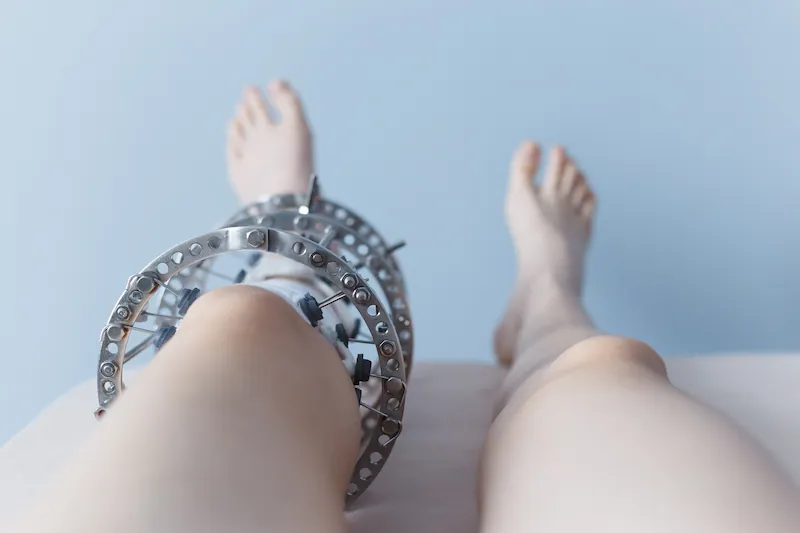
The Ilizarov method in Turkey remains a respected and reliable option, particularly for reconstructive or complex deformity cases. It employs an external circular frame attached to the bone via wires and pins. The frame allows precise control of bone length and alignment, which can be adjusted daily. Modern versions such as the LIS (Limb Lengthening System) offer refined materials that are lighter and more ergonomic than older steel frames.
The main advantages are low cost and surgeon familiarity. The disadvantages are aesthetic (visible frames) and lifestyle limitations, such as showering and clothing comfort. Still, many patients choose Ilizarov or LIS when budget or medical necessity outweigh cosmetic concerns. Turkish centers using these systems follow internationally standardized infection-prevention and rehabilitation protocols, ensuring patient safety throughout the process.
Femur vs. Tibia: Which Segment Should You Lengthen?
A crucial discussion during consultation is whether to lengthen the femur (thigh bone) or tibia (shin bone). Femur lengthening in Turkey generally offers faster healing, better comfort, and smoother walking mechanics because thigh muscles adapt more easily. Tibia lengthening in Turkey, on the other hand, provides proportional results for shorter lower legs but may involve longer consolidation time and tighter calf muscles.
Most surgeons recommend lengthening only one segment at a time to protect gait and body proportions. Some patients later choose a second surgery on the other segment after full recovery if they wish to gain additional height. Your orthopedic evaluation, including gait analysis and X-rays, determines which option suits you best.
How to Find the Best Limb Lengthening Surgeon in Turkey
Even the most advanced device means little without an experienced surgeon behind it. Selecting a qualified orthopedic specialist for limb lengthening in Turkey is about balancing credentials, safety standards, and transparency. The best doctors are not those with the loudest advertisements but those who consistently deliver safe, proportionate, and natural results.
Red Flags to Spot When Researching Clinics Online
Beware of clinics that advertise extreme height gains or unrealistically low prices. True experts prioritize patient safety over marketing claims. Red flags include lack of published before-and-after results, absence of verified orthopedic credentials, or vague communication about the exact technique used. A reputable center will list the surgeon’s education, number of successful cases, and affiliations with orthopedic societies.
Be cautious of clinics that discourage questions or insist on fast deposits without offering a clear treatment contract. Ethical Turkish hospitals always provide a written plan detailing the device brand, expected duration, and aftercare schedule.
10 Critical Questions to Ask During Your Consultation
- Which lengthening method do you recommend for my anatomy and why?
- How many cases have you personally completed using that technique?
- Can I see X-ray or video documentation of past patients?
- What are the most common complications and how are they handled?
- How long will I stay in the hospital and when can I start physiotherapy?
- Will the same surgeon perform the nail or fixator removal later?
- How is post-operative pain managed?
- Are follow-up X-rays included in the package?
- What assistance is provided for visa and accommodation?
- What is your policy if bone healing is slower than expected?
Evaluating Surgeon Credentials, Experience, and Patient Results
Turkish limb lengthening surgeons often hold dual training in trauma and reconstructive orthopedics. Look for membership in international associations such as ASAMI (Association for the Study and Application of the Method of Ilizarov) or SICOT. Patient testimonials should highlight consistent supervision and post-operative care rather than just cosmetic results.
A strong clinic also employs English-speaking coordinators, physiotherapists, and psychologists specializing in limb-lengthening recovery. Their presence indicates a comprehensive approach rather than a single-operation service.
Reading Between the Lines of Patient Testimonials & Reviews
Real reviews emphasize daily care, pain control, and communication—not only the final height gain. When reading online testimonials, focus on recurring patterns: Are patients satisfied with the follow-up support? Were complications addressed transparently? Clinics with balanced reviews (some minor issues, but overall positive feedback) are often more trustworthy than pages showing only perfect five-star ratings.
In short, finding the best team for limb lengthening in Turkey means verifying both technical expertise and human empathy. Your relationship with your surgeon will last many months—choose someone you can trust to guide you through every phase, from planning to walking again confidently.
Your Surgical Journey: A Step-by-Step Patient Timeline
When you choose limb lengthening in Turkey, your experience follows a structured, well-planned medical pathway designed for safety and comfort. Understanding the process from your first consultation to your final follow-up helps you prepare mentally and physically for the months ahead. Turkish hospitals provide comprehensive care that includes orthopedic specialists, physiotherapists, nutritionists, and patient coordinators fluent in multiple languages to assist throughout your journey.
Phase 1: The Initial Online Consultation & Planning
The journey begins long before you arrive in Turkey. You’ll first complete an online assessment where your medical history, X-rays, and health documents are reviewed. During this phase, your surgeon will discuss realistic height goals, recommend the most suitable technique—often between PRECICE 2 method in Turkey and LON method in Turkey—and explain the estimated timeline.
A personalized plan is created that details expected hospital days, recovery milestones, and the full breakdown of your stay. Clinics often include psychological readiness assessments to ensure you’re mentally prepared for the challenges ahead. Patients are encouraged to ask detailed questions during this consultation—about pain, daily life after surgery, and how mobility will change over time. The objective is to create full transparency before booking your flight.
Phase 2: Arrival in Turkey, Pre-Op Tests, and Surgery Day
Once you arrive, you’ll meet your surgical team in person for physical examinations, updated imaging, and pre-operative blood tests. This stage ensures that there are no hidden health issues that could affect anesthesia or bone healing.
On surgery day, general anesthesia is used. The operation lasts between 2 to 4 hours depending on whether it’s femur lengthening in Turkey or tibia lengthening in Turkey. During the procedure, the surgeon performs an osteotomy (precise bone cut), inserts the chosen device, and confirms alignment using fluoroscopy.
After surgery, you’re moved to a private hospital room where nurses monitor pain levels, mobility, and blood circulation. Early movement exercises, such as toe wiggling or ankle rotations, begin within 24 hours to prevent stiffness and encourage blood flow.
Phase 3: Your Initial 5–7 Day Hospital Stay
Most patients remain hospitalized for about a week following surgery. During this period, pain management and infection prevention are top priorities. You’ll receive antibiotics, anti-clotting medication, and detailed physiotherapy instructions.
Physiotherapists will start mild stretching and muscle-activation routines almost immediately. The aim is to maintain joint flexibility before the active lengthening phase begins. Hospital staff also provide nutritional guidance to support bone regeneration, emphasizing calcium, vitamin D, and protein intake.
Before discharge, you’ll receive your first X-ray to confirm bone stability. The clinic’s coordinators will arrange your transfer to a recovery apartment or rehabilitation residence nearby, where you’ll continue follow-up visits every few days.
The Recovery: What to Really Expect During the Lengthening Phase
Recovery after limb lengthening in Turkey is a marathon, not a sprint. Understanding the stages, challenges, and daily requirements ensures that your body heals correctly and your mind remains focused.
The “Distraction” Phase: Lengthening 1 mm Per Day
The distraction phase usually begins 5–7 days after surgery. You’ll use a magnetic controller (for PRECICE 2 method in Turkey) or manually adjust the external fixator (for LON or Ilizarov method in Turkey) according to your surgeon’s instructions. The bone is typically lengthened by about 1 millimeter per day, divided into multiple small sessions to reduce tissue tension.
Regular X-rays are performed every 10–14 days to monitor bone formation and alignment. Missing or delaying adjustments can affect healing, so consistency is essential. Surgeons closely track your progress and may alter your rate of lengthening depending on bone quality and comfort.
Pain Management: A Realistic Look at Discomfort Levels
Pain during height surgery in Turkey is highly individual. Most patients describe it as a deep ache or tightness, especially during the first few weeks of lengthening. Turkish clinics use multimodal pain management—oral medications, localized cold therapy, and gentle physiotherapy—to control discomfort without excessive sedation.
Adjusting your mental attitude is equally important. Many patients find motivation in tracking their progress daily, noticing each millimeter gained as a step closer to their desired height. Clinics often provide psychological support to help maintain morale throughout this demanding phase.
The Critical Role of Daily Physiotherapy and Nutrition for Bone Healing
Muscles and nerves stretch along with the bone, making daily physiotherapy vital. You’ll spend at least 1–2 hours per day in guided exercises focused on flexibility, joint movement, and walking posture.
Nutrition also plays a direct role in bone regeneration. Surgeons recommend high-calcium diets, adequate hydration, and supplements like magnesium and vitamin C to support collagen production. Patients who follow dietary guidance and physiotherapy rigorously often achieve faster consolidation and fewer complications.
A Typical Day: Your Routine During the First 3 Months
A standard day might include early stretching, lengthening sessions using your device, rest, followed by physiotherapy and hydrotherapy. Evening relaxation, proper sleep, and balanced meals complete the cycle. Maintaining this schedule prevents joint stiffness and accelerates recovery.
The Consolidation Phase: From Wheelchair to Walking
After reaching your target height, the distraction phase ends and the consolidation phase begins. The goal now is to strengthen the new bone so it can bear weight safely. This stage lasts between two and five months, depending on the technique used and your body’s healing response.
How Long Until Your New Bone is Fully Healed?
Typically, each centimeter of length gained requires around 30–45 days of consolidation. Femur lengthening in Turkey often heals slightly faster than tibia procedures due to richer blood supply. During this time, X-rays verify the bone’s density and structure. Gradual weight-bearing begins once the surgeon confirms adequate healing.
Milestones: When Can You Walk, Drive, and Return to Work?
Most patients start partial weight-bearing around the third month and can walk independently by month five or six. Driving usually becomes possible once muscle strength and joint mobility return—generally within 6–8 months. Returning to office-based work can happen sooner if you have remote flexibility.
The Final Step: The Nail or Fixator Removal Surgery
Once the bone fully consolidates, internal nails or external frames are removed. This procedure is much simpler and faster than the original surgery. For internal devices like PRECICE 2, removal is done under anesthesia with a short hospital stay. For LON or Ilizarov users, the external fixator is removed in the clinic under local anesthesia. After removal, you’ll continue mild physiotherapy to maintain alignment and strength.
This final phase marks the completion of your transformation—your new height is now permanent, and you can gradually resume full activity. Turkish clinics usually provide a detailed discharge summary, post-care recommendations, and online follow-up appointments for international patients.
Risks & Complications: A Transparent & Honest Guide
While limb lengthening in Turkey has become increasingly safe with advanced technology and refined surgical techniques, it remains a complex orthopedic procedure. Patients should understand potential risks, not to discourage them—but to prepare them. The most successful outcomes come from combining realistic expectations, excellent medical care, and disciplined follow-up.
Top Turkish surgeons maintain international standards for sterilization, intraoperative monitoring, and post-operative follow-up, dramatically reducing the risk of serious complications. However, transparency is part of ethical medical practice, and you should be informed about every possible challenge before proceeding.
Common vs. Rare Complications (Infection, Non-Union, Nerve Issues)
Common complications are typically mild and manageable. For external methods like the LON method in Turkey or the Ilizarov method in Turkey, the most frequent issue is pin-site infection. These minor infections are treated promptly with antibiotics and improved hygiene protocols.
Another possible complication is delayed bone healing, known as delayed union or non-union, where the bone regenerates slower than expected. Smoking, poor nutrition, or inadequate physiotherapy can increase this risk. Your medical team will monitor X-rays regularly and may recommend adjustments to the distraction rate or bone stimulation therapy if healing slows.
Nerve irritation or tightness is also possible, especially when soft tissues are stretched quickly. Patients might experience tingling or mild numbness, usually temporary. A slower distraction rate, stretching, and vitamin B supplements help minimize nerve discomfort.
Rare complications—such as deep infection, severe misalignment, or permanent nerve damage—are extremely uncommon when the surgery is performed by experienced Turkish orthopedic surgeons. High-standard clinics use intraoperative fluoroscopy and computer-guided navigation to ensure precise alignment and stability throughout the process.
How Top Surgeons Mitigate Risks During and After Surgery
One of the main reasons patients choose limb lengthening in Turkey is the country’s focus on quality control. Reputable surgeons follow a multi-step safety protocol that includes sterile operation rooms, pre-operative antibiotics, and meticulous wound care.
During surgery, they use modern imaging to verify nail position and symmetry. Post-surgery, close follow-up ensures any complication is detected early. Regular physiotherapy sessions prevent stiffness and muscle shortening, while nutritional and psychological support improve recovery speed.
Leading Turkish hospitals also provide remote monitoring options. International patients can send X-rays electronically after returning home, and the surgical team continues supervision until full bone consolidation.
Managing Psychological Challenges & Post-Op Blues
Beyond the physical recovery, cosmetic height surgery in Turkey has an emotional dimension. Patients often experience “post-op blues” — temporary periods of frustration, anxiety, or isolation. The long healing process, dependence on assistance, and pain can feel overwhelming at times.
Top clinics now include psychological counseling as part of the treatment plan. Mental health support helps patients maintain motivation and emotional stability. Support groups, online communities, and guided physiotherapy sessions also provide encouragement during difficult phases.
It’s normal to experience emotional ups and downs, but most patients report strong psychological growth once they complete the journey. Seeing measurable daily progress, regaining mobility, and achieving a height goal provides a deep sense of accomplishment that often outweighs the temporary hardship.
Life After Limb Lengthening: Proportions, Scars, and Athleticism
The ultimate goal of limb lengthening Turkey surgery is not only to gain height but to achieve a balanced, natural-looking body and full functionality. Once the bone has fully healed and devices are removed, patients enter the phase of re-adaptation—returning to normal walking, running, and eventually athletic activity.
Will My Body Look Proportional? (Arm-to-Leg Ratio)
A common concern is whether a taller stature will make the body look disproportionate. Expert Turkish surgeons plan each operation using advanced imaging and anthropometric analysis to preserve harmony between leg, torso, and arm length.
The femur lengthening in Turkey typically results in an elegant, proportionate look because the thighs contribute significantly to leg aesthetics. Tibia lengthening in Turkey affects the lower legs and may slightly alter the arm-to-leg ratio, but this is often subtle and visually acceptable. Most people—aside from medical professionals—will not detect the change in proportions once the recovery is complete.
Scar Management: Minimizing Scars After Surgery
Modern techniques have significantly reduced post-surgical scarring. With PRECICE 2 method in Turkey, incisions are small and placed in less visible areas. Even with hybrid or external systems, clinics provide comprehensive scar care, including silicone-based gels, laser therapy, and microneedling to smooth and fade marks.
Regular moisturizing, sun protection, and gentle massage can help scars fade faster. After one year, most patients notice their scars have become almost invisible, especially on tanned or darker skin tones.
Returning to Sports: When Can You Run and Jump Again?
After limb lengthening in Turkey, you can gradually return to physical activity once your bone density and muscle strength have normalized. Light cardio and swimming are encouraged around the fifth or sixth month, while high-impact activities like running, basketball, or football usually resume between 10–12 months post-surgery.
Rehabilitation programs in Turkey emphasize progressive training—building flexibility, coordination, and stability step by step. By the end of the first year, most patients can return to full athletic performance, often reporting not just taller stature but better posture, balance, and confidence.
Frequently Asked Questions (FAQ)
What is the best time of year to have this surgery in Turkey?
The procedure is available year-round, but many international patients prefer spring and autumn for moderate weather, easier mobility, and comfortable recovery conditions.
Can I undergo limb lengthening twice?
Yes, it’s possible to lengthen both femur and tibia in separate procedures, usually spaced 12–18 months apart. However, surgeons recommend conservative height goals for each session to ensure joint safety and natural proportions.
How do I handle visas, accommodation, and language barriers?
Reputable Turkish clinics provide international patient coordinators who assist with medical visas, airport transfers, and hotel or apartment reservations. English, Arabic, and Russian-speaking staff are available in most hospitals to facilitate communication.
Was it worth it? Patient Perspectives One Year Later
Most patients who complete limb lengthening in Turkey describe the experience as life-changing. Increased confidence, improved body image, and new opportunities in social and professional life often outweigh the temporary discomfort. The key to satisfaction lies in choosing a skilled surgeon, following rehabilitation diligently, and maintaining patience during the journey.