Egg freezing in Turkey has become one of the most empowering choices for women who wish to take control of their reproductive future. With advancements in reproductive medicine and the country’s rapidly growing reputation for world-class fertility care, many international patients are now choosing fertility preservation in Turkey to extend their family planning options. Whether for personal, professional, or medical reasons, oocyte cryopreservation in Turkey offers a safe, affordable, and effective solution for women who want to preserve their eggs while maintaining flexibility for the future.
Table of Contents
Understanding Egg Freezing (Oocyte Cryopreservation)
Egg freezing—clinically known as oocyte cryopreservation—is a medical process that allows women to preserve their eggs for future use. Thanks to cutting-edge technology, especially the vitrification method, this procedure ensures that eggs remain viable for many years without degradation in quality. This option is increasingly popular among women delaying motherhood, those facing medical treatments that could impact fertility, or individuals simply wanting to secure reproductive choices for later in life.
What is Egg Freezing and How Does It Work?
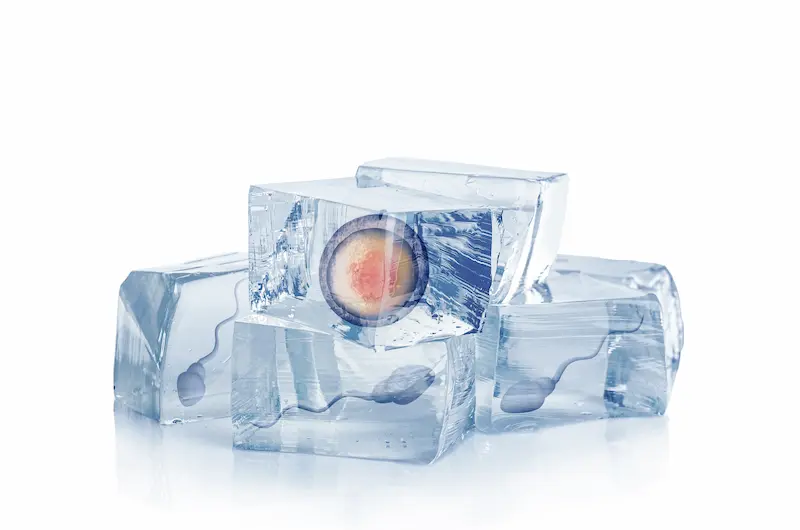
The process begins with stimulating the ovaries to produce multiple mature eggs. Once retrieved, the eggs are flash-frozen using vitrification, a rapid freezing technique that prevents ice crystals from forming and damaging cell structures. These frozen eggs can later be thawed, fertilized with sperm, and implanted through in vitro fertilization (IVF) when the woman is ready to conceive.
This process preserves the eggs at their current age, meaning that even if a woman uses them years later, the success rate reflects the age when they were frozen—not her chronological age at the time of use.
Is Egg Freezing the Right Choice for You?
Egg freezing can be the right path for women who want to delay pregnancy for professional or personal reasons, or those undergoing treatments like chemotherapy that could compromise fertility. In Turkey, this option is available under specific medical and legal frameworks, which will be discussed later. It’s also a growing choice among international patients who appreciate Turkey’s combination of affordability, high medical standards, and advanced technology.
The Science Behind Vitrification: The Modern Freezing Technique
Older freezing methods, known as “slow freezing,” often resulted in lower survival rates for thawed eggs. Vitrification, however, revolutionized the process by using ultra-rapid cooling that turns the egg’s cellular water into a glass-like state, avoiding crystal formation. This method significantly improves the eggs’ survival rate after thawing and leads to higher fertilization success. Today, most fertility clinics offering egg freezing in Istanbul and other major Turkish cities use this advanced technology, ensuring optimal preservation outcomes.
Success Rates: What Do the Statistics Say?
Success rates depend primarily on the woman’s age at the time of freezing and the number of eggs retrieved. Women under 35 generally have a higher chance of achieving a successful pregnancy later. Turkish clinics report success rates comparable to top European fertility centers, often between 90–95% egg survival after thawing and competitive pregnancy rates per transfer cycle.
These results have made egg freezing in Turkey one of the most trusted and cost-effective fertility preservation methods globally. Combined with transparent pricing and personalized care, Turkey’s success in this field continues to attract women from the UK, Europe, and the Middle East.
Why Choose Turkey for Egg Freezing?
Choosing egg freezing in Turkey means gaining access to internationally accredited fertility centers, highly skilled embryologists, and modern laboratory facilities—all at a fraction of the cost seen in Western countries.
The Advantages of Fertility Treatment in Turkey
One of the biggest advantages of fertility preservation in Turkey is its affordability without compromising quality. Clinics in Istanbul, Ankara, and Antalya use the same technologies and safety protocols as clinics in Europe and the USA. Moreover, Turkish healthcare professionals are multilingual and accustomed to treating international patients, offering smooth coordination for medical tourists.
Cost of Egg Freezing in Turkey vs. the UK, Europe, and USA
The cost of egg freezing in Turkey typically ranges from $2,000 to $3,500 for the entire process, including medical tests, ovarian stimulation, egg retrieval, and the first year of storage. In contrast, the same procedure can exceed $8,000 in the UK or the USA—excluding annual storage fees. This cost advantage, combined with high-quality medical standards, makes egg freezing in Istanbul an attractive choice for women worldwide.
High-Tech Clinics and Experienced Specialists
Turkey’s fertility clinics are equipped with advanced embryology labs, ISO-certified safety environments, and experienced specialists trained internationally. Many Turkish reproductive centers also collaborate with global fertility networks, ensuring patients receive world-class medical standards.
Combining Treatment with Travel: A Medical Tourism Guide
Another benefit of choosing egg freezing in Turkey is the opportunity to combine fertility treatment with a relaxing vacation. Istanbul, Antalya, and Izmir not only host leading medical facilities but also offer world-renowned hospitality and cultural experiences. Medical tourism packages often include airport transfers, hotel stays, and coordination with English-speaking consultants, making the process stress-free and rewarding.
The Egg Freezing Process in Turkey: A Step-by-Step Guide
Understanding the egg freezing process in Turkey helps patients approach their fertility journey with clarity and confidence. The entire procedure is carefully planned and personalized based on your medical history, hormone levels, and overall health. Turkish fertility specialists are known for their patient-centered approach, ensuring that every woman receives a tailored treatment plan and continuous support throughout the process.
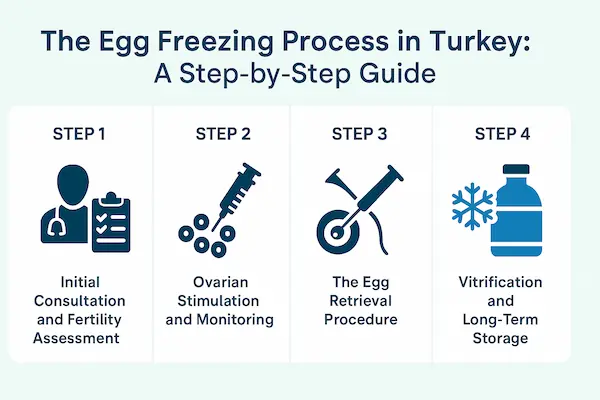
Step 1: Initial Consultation and Fertility Assessment
Your journey begins with an initial consultation—either online or in person—where your fertility doctor reviews your medical background, menstrual cycle, and reproductive goals. During this stage, several key tests are performed, including hormonal blood tests such as AMH (Anti-Müllerian Hormone) and ultrasound scans to evaluate ovarian reserve. This step helps determine how your body is likely to respond to ovarian stimulation and what dosage of medication will be optimal for egg production.
Clinics offering egg freezing in Istanbul often provide comprehensive fertility assessments within 24–48 hours, allowing international patients to plan their trip efficiently. Once your test results are reviewed, your fertility specialist creates a customized stimulation protocol to begin the egg retrieval cycle.
Step 2: Ovarian Stimulation and Monitoring
In this phase, fertility medications are used to encourage your ovaries to mature multiple eggs at once—rather than the single egg typically produced during a natural cycle. The process lasts around 10–12 days, during which you’ll have periodic ultrasound scans and blood tests to monitor follicle growth and hormone levels.
Turkish fertility clinics are equipped with advanced monitoring technology that ensures precise tracking of your body’s response to treatment. Doctors adjust medication doses as needed to minimize side effects and maximize egg quality. During this stage, most women can continue their daily activities, as the procedure is minimally disruptive.
Step 3: The Egg Retrieval Procedure
When the follicles are mature, a short and minimally invasive procedure called egg retrieval is scheduled. This typically takes place under light sedation and lasts about 15–20 minutes. Using ultrasound guidance, the doctor collects the mature eggs from the ovaries with a fine needle. The patient experiences no pain, and recovery takes only a few hours.
Clinics specializing in oocyte cryopreservation in Turkey handle the eggs immediately in their embryology laboratories, where they are assessed for maturity and quality before freezing.
Step 4: Vitrification and Long-Term Storage
The collected mature eggs are frozen using vitrification, the most advanced method for fertility preservation. This ultra-fast freezing process prevents the formation of ice crystals that could damage the egg’s internal structure. After freezing, the eggs are stored in liquid nitrogen tanks at extremely low temperatures—about -196°C—ensuring their quality for many years.
Storage facilities in Turkey follow strict international standards and security protocols. Women can choose to store their eggs for an extended period, depending on legal regulations and clinic policies.
How Long Does the Entire Process Take?
The egg freezing process in Turkey generally takes about two to three weeks from consultation to completion. For international patients, many clinics offer tailored travel packages that allow for a short, efficient stay—often between 10 and 14 days in Istanbul. This streamlined process makes Turkey a top destination for women seeking both convenience and expert medical care.
Egg Freezing Regulations and Legal Aspects in Turkey
Before beginning egg freezing in Turkey, it is essential to understand the country’s legal framework. Turkey has established specific guidelines to ensure ethical practices, patient safety, and the proper use of reproductive technology.
Who is Legally Eligible for Egg Freezing in Turkey?
Under current regulations, egg freezing in Turkey is allowed primarily for medical reasons. Women diagnosed with conditions that could impair fertility—such as cancer, endometriosis, or autoimmune diseases—are eligible to freeze their eggs before undergoing treatment. Additionally, women with a strong family history of early menopause may also qualify.
However, recent developments have broadened eligibility for women who wish to preserve fertility for non-medical reasons, particularly those delaying childbirth for professional or personal reasons.
Marital Status Requirements: What You Need to Know
One of the most frequently asked questions concerns egg freezing in Turkey for single women. According to Turkish laws, single women are permitted to freeze their eggs for fertility preservation purposes, provided there is a valid medical reason such as a low ovarian reserve or upcoming medical treatment. Elective freezing for purely social reasons without medical justification is still subject to approval from health authorities.
That said, the law is gradually evolving to accommodate modern family planning needs, and Turkish clinics offer extensive guidance to international patients navigating these requirements.
Medical Reasons for Elective Egg Freezing
Egg freezing is particularly recommended for women who face treatments like chemotherapy, radiation, or ovarian surgery. It also serves as an option for women diagnosed with polycystic ovary syndrome (PCOS) or those approaching advanced reproductive age. In these cases, fertility preservation in Turkey becomes not only a medical necessity but also a proactive step to safeguard future parenthood.
Storing Your Eggs: Regulations and Duration Limits
Frozen eggs can typically be stored for up to 5 years in Turkey, with the option to extend storage upon request and approval. Clinics maintain strict confidentiality and safety standards, ensuring that each patient’s biological material is tracked and protected.
Long-term storage is managed under professional supervision, and clinics regularly monitor nitrogen tank conditions to guarantee optimal preservation. Women who choose oocyte cryopreservation in Turkey often receive annual updates regarding their stored eggs, offering reassurance and transparency about their long-term fertility security.
Finding the Best Egg Freezing Clinics in Turkey
Selecting the right clinic for egg freezing in Turkey is a crucial decision that can directly influence the success of your fertility preservation journey. Turkey is home to numerous internationally accredited fertility centers that combine advanced reproductive technologies with compassionate, multilingual care. Patients from across Europe, the Middle East, and North America choose egg freezing in Istanbul and other major cities not only for affordability but also for exceptional medical expertise and patient experience.
When evaluating clinics, it’s essential to look beyond pricing and focus on factors like experience, laboratory standards, success rates, and patient support services. The right facility should provide clear communication, transparent costs, and a personalized approach from your first consultation to post-procedure follow-up.
Questions to Ask Your Fertility Doctor
Before committing to a clinic, make sure to ask key questions that will help you make an informed decision. Examples include:
- What is your clinic’s egg survival rate after vitrification and thawing?
- How many cycles do patients typically undergo to retrieve enough eggs?
- What medications and protocols are used for ovarian stimulation?
- How long can I store my frozen eggs, and what are the renewal costs?
These questions will help you evaluate whether a clinic is transparent and patient-focused. Leading fertility centers in Turkey, such as those in Istanbul, Ankara, and Antalya, are accustomed to addressing international patients’ concerns and providing detailed explanations about each stage of the oocyte cryopreservation in Turkey process.
How to Read Clinic Success Rates
When comparing clinics, success rates can be a helpful—but sometimes misleading—indicator. Look for centers that publish verified data rather than exaggerated marketing claims. The most credible statistics come from clinics that adhere to international reproductive medicine standards (such as ESHRE or JCI accreditation).
The success rate of egg freezing in Turkey depends on various factors, including the patient’s age at the time of freezing, the number of eggs retrieved, and overall egg quality. For instance, women under 35 can expect egg survival rates above 90% after thawing, with healthy pregnancy outcomes when those eggs are later used in IVF.
Patient Testimonials and Reviews
Patient reviews offer valuable insight into real-world experiences. Many women who undergo fertility preservation in Turkey highlight the warmth and professionalism of the medical staff, the clarity of communication, and the efficiency of the treatment process. Reading verified testimonials—especially from other international patients—can help you understand what to expect and which clinic aligns best with your expectations.
Top clinics often publish case studies and before-and-after treatment stories that show their expertise and dedication. This transparency builds trust and helps future patients feel confident in choosing Turkey for fertility preservation.
Planning Your Egg Freezing Journey to Turkey
Once you’ve chosen your clinic, the next step is to plan your egg freezing journey in Turkey. The process involves not only medical preparation but also logistical and emotional readiness. Turkey’s medical tourism infrastructure makes it easy for international patients to combine treatment with comfortable travel arrangements, affordable accommodation, and personalized support.
Creating a Budget: A Full Cost Breakdown
One of the biggest advantages of egg freezing in Turkey is cost transparency. The typical cost of egg freezing in Turkey ranges from $2,000 to $3,500, depending on the clinic, medications, and storage duration. This usually includes consultations, fertility testing, ovarian stimulation, egg retrieval, vitrification, and one year of storage.
Additional yearly storage fees typically cost around $200–$400. Compared to Europe and the USA, where total costs can exceed $10,000, Turkey offers one of the most affordable fertility preservation options worldwide. This makes egg freezing in Istanbul especially appealing for single women and couples looking for a cost-effective yet high-quality alternative.
Visa, Travel, and Accommodation Tips
Most patients visiting Turkey for medical treatment can enter visa-free or with an easily obtainable e-Visa. Istanbul, Antalya, and Izmir are popular destinations because of their accessibility and extensive healthcare infrastructure. Many fertility centers collaborate with travel coordinators to arrange airport transfers, nearby hotel stays, and interpreter services for international visitors.
To ensure a smooth experience, it’s advisable to arrive at least one or two days before your first consultation. This allows time for preliminary testing and hormone evaluations. Since the egg freezing process in Turkey lasts approximately two weeks, you can combine your medical visit with exploring Turkey’s rich culture, cuisine, and history—making your trip both productive and enjoyable.
Preparing for Your Treatment: Health and Wellness Advice
Before undergoing egg freezing, it’s important to optimize your health. Doctors often recommend maintaining a balanced diet, managing stress levels, and avoiding smoking or alcohol in the weeks leading up to treatment. Adequate hydration, light exercise, and vitamin supplements (such as folic acid and CoQ10) may also help improve egg quality.
Turkish clinics typically provide pre-treatment guidance, outlining the exact medications and steps required. This proactive approach ensures the highest possible success rates and a smooth overall experience during fertility preservation in Turkey.
What to Expect After the Procedure
Following the egg retrieval procedure, most women experience mild bloating or cramping for a day or two, but recovery is quick. You’ll receive a full report on how many mature eggs were collected and successfully frozen. Turkish fertility specialists maintain close contact with patients after the procedure, offering updates and future guidance for egg use or continued storage.
After vitrification, your frozen eggs are safely stored in liquid nitrogen tanks, where they can remain viable for many years. Should you decide to use them later, they can be thawed and fertilized through IVF, either in Turkey or transferred to another authorized fertility center abroad—depending on your future plans.
Frequently Asked Questions (FAQ)
Is the egg freezing procedure painful?
No. The egg freezing process in Turkey is safe and not painful. The egg retrieval is done under light sedation, so you won’t feel discomfort during the procedure. Afterward, you might have mild bloating or cramps for a day or two, but most women return to normal activities within 24 hours.
What are the risks and side effects?
Egg freezing is very safe when performed by qualified fertility specialists. The most common side effects are mild bloating or abdominal tenderness due to hormone stimulation. Rarely, a woman may experience ovarian hyperstimulation syndrome (OHSS), but this is carefully prevented and monitored in Turkish clinics. Overall, fertility preservation in Turkey follows international medical safety standards.
How many eggs should I freeze?
It depends on your age and fertility health. Women under 35 usually aim to freeze 10–15 eggs to have a strong chance of pregnancy later. Older women may need to freeze more. During your consultation, the fertility doctor will check your ovarian reserve and help you decide how many eggs are ideal for your situation.
What happens when I want to use my frozen eggs?
When you are ready to become pregnant, your frozen eggs will be thawed and fertilized with sperm through in vitro fertilization (IVF). The resulting embryos can then be transferred into your uterus or stored again for future use. The success rate depends on the age at which the eggs were frozen and their quality. Clinics offering oocyte cryopreservation in Turkey guide you through every step of this process.
Can I move my frozen eggs to another country later?
Yes. Frozen eggs can be shipped internationally using special containers that keep them at the correct temperature. Many patients who choose egg freezing in Istanbul later transfer their eggs to clinics in their home countries for IVF treatment. Turkish clinics are experienced with international egg transport and handle all required documentation.
What is the best age to freeze eggs?
The best time to consider egg freezing in Turkey is before age 35, when egg quality and quantity are at their peak. However, many women in their late 30s also benefit from the procedure. Your doctor will evaluate your hormone levels and ovarian reserve to determine the best approach for your age and health.