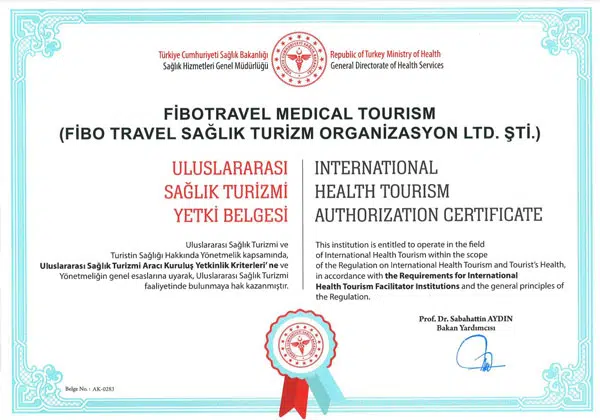

Looking for a safe, precise way to investigate neurological symptoms while traveling or living abroad? brain MRI in Turkey offers modern scanners, fast access, and English-speaking specialists in Istanbul.
Table of Contents
What is a Brain MRI? A Clear Look at Neurological Imaging
A brain MRI is a painless imaging test that uses a powerful magnet and radio waves to create highly detailed pictures of your brain and blood vessels. Unlike X-rays or CT, MRI does not use ionizing radiation, which is one reason neurologists prefer it when they need the best view of soft tissues. These high-contrast images help doctors evaluate headaches, seizures, dizziness, vision changes, memory problems, and more.
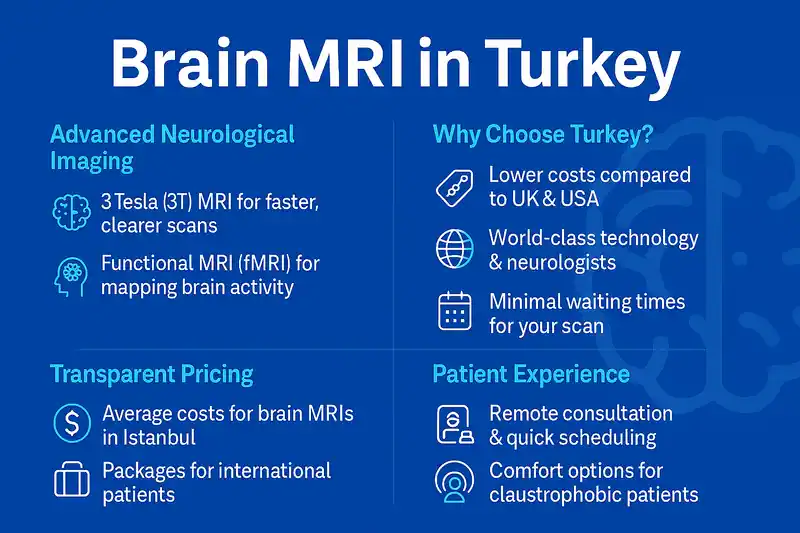
Before we go deeper, remember that many centers in Turkey perform MRI tailored to your clinical question. When appropriate, your doctor may request special sequences or add contrast to highlight inflammation, tumors, or vessel problems. We will also explain why technologies like 3T MRI in Turkey are becoming the default for complex brain studies.
How MRI Technology Sees Inside Your Brain (Without Radiation)
MRI aligns hydrogen atoms in your body using a magnetic field and then detects signals as they relax. Sophisticated software turns these signals into slice-by-slice images. Because there is no ionizing radiation, MRI is generally preferred for repeat imaging and for visualizing subtle brain structures such as white matter tracts, cranial nerves, and the hippocampus. For many neurological questions, MRI gives clearer soft-tissue contrast than CT, which is why it is the go-to exam for lesions that can hide next to bone.
In Turkey, many tertiary hospitals operate 3-Tesla systems. A 3-Tesla magnet provides higher signal-to-noise ratio than 1.5-Tesla systems, which can translate into finer detail or shorter scan times. This helps neuroradiologists see small lesions and microstructural changes more confidently.
Brain MRI vs. Brain CT Scan: What’s the Difference and Which is Better?
CT is fast, widely available, and excellent for emergencies like acute head trauma or suspected bleeding, especially when metal implants or pacemakers make MRI unsafe. MRI, by contrast, provides superior soft-tissue detail and is preferred for subtle brain changes, demyelinating disease, small tumors, or posterior fossa problems. In routine neurology, MRI is often the first choice; in emergencies, CT may be the first step to rule out bleeding, with MRI added later for detail. Your clinician chooses based on the clinical question, safety, and urgency.
If you are booking an mri scan in Istanbul, your coordinator will ask about metal implants, pacemakers, or aneurysm clips to confirm MRI compatibility. If MRI is not suitable, a CT or another modality may be recommended instead.
What Can a Brain MRI Detect? (Tumors, MS, Stroke, Aneurysms, etc.)
With the right protocol, a brain MRI can assess or help diagnose tumors, stroke and mini-strokes, multiple sclerosis, infections, inflammation, aneurysms and vascular malformations, hydrocephalus, pituitary disorders, dementia patterns, and complications after trauma. MR angiography can map arteries and veins to evaluate aneurysms or vessel narrowing, often without contrast. These capabilities make MRI central to modern neurological imaging in Turkey and worldwide.
When neurologists suspect white matter disease like MS, they rely on MRI sequences that highlight active inflammation and older lesions. In suspected stroke, diffusion-weighted imaging can show areas of restricted diffusion minutes after onset, guiding urgent care. For tumor workups, multiparametric protocols and high-resolution 3T scans can reveal edges and relationships to eloquent brain areas that matter for surgery planning.
Understanding Your Scan: Brain MRI With vs. Without Contrast (Gadolinium)
Many brain MRIs are performed without contrast. Your doctor may add a gadolinium-based contrast agent when they need to see active inflammation, disrupted blood-brain barrier, tumor vascularity, or tiny vessel details. Gadolinium improves lesion conspicuity and can help differentiate active from chronic disease, which is vital in conditions like MS and in post-treatment tumor surveillance.
Safety matters. In people with normal kidney function, current evidence and regulatory reviews indicate that small amounts of gadolinium can be retained in the body, but harmful effects have not been demonstrated to date; regulators still require class warnings and advise considering patient risk factors. If you have severe kidney disease, your team may avoid certain agents or choose non-contrast protocols. Always tell your clinic about kidney issues, prior reactions, or pregnancy so they can tailor your exam.
If you are comparing centers for an advanced brain scan in Turkey, ask which contrast agents they use, whether they offer macrocyclic agents with lower propensity for retention, and how they screen for kidney function. This adds confidence while preserving the diagnostic value you need.
Why Choose Turkey for Your Advanced Brain MRI?
Choosing where to have a scan is about more than a machine. It is about access, speed, accuracy, and clear communication. Turkey brings all four together for patients who want dependable results with international standards. If you are comparing destinations, you will quickly notice how brain MRI in Turkey combines modern equipment, subspecialty neuroradiology, and coordinated care, particularly for an mri scan in Istanbul, Ankara, and Izmir. This creates a smooth pathway from booking to results, which is exactly what nervous patients and time-sensitive cases need from neurological imaging in Turkey.
The Cost Advantage: See How Much You Can Save (Price vs. UK, USA, & Europe)
Price matters, especially when you are paying privately or working within a fixed travel budget. While exact figures vary by hospital and protocol, the overall brain MRI cost in Turkey is typically a fraction of private prices in the UK, Western Europe, and the USA. Patients often discover that even when they add flights and accommodation, the final outlay still compares favorably with many home-country quotes. This matters if you need a comprehensive brain protocol, if your doctor requests contrast, or if you are planning an advanced brain scan in Turkey like perfusion, spectroscopy, or tractography.
Affordability does not mean cutting corners. Turkish hospitals keep pricing competitive through high patient volumes, efficient scheduling, and bundled packages that include consultation, image acquisition, reporting, and digital delivery of your files. Ask for written inclusions and exclusions so you understand whether the fee covers contrast, radiologist reporting, and any add-on like sedoanalgesia. If you are considering research-grade techniques such as functional MRI cost in Turkey, expect a higher fee than a routine exam, yet still find that the differential versus Western private pricing remains favorable.
Access to World-Class Technology: The 3T MRI Standard
Quality in neuroimaging is tied to field strength and protocol design. Many leading centers in Turkey operate 3-Tesla scanners, the workhorse of modern neuroradiology. With 3T MRI in Turkey, you benefit from a better signal-to-noise ratio that can be translated into thinner slices and sharper images or into shorter acquisition times that reduce motion artifacts. When investigating small lesions, cranial nerves, or subtle demyelinating changes, this can make a practical difference in diagnostic confidence.
If your neurologist has mentioned “3 Tesla,” they are referring to magnet strength. A 3 Tesla brain MRI Turkey protocol can be tailored to the clinical question with targeted sequences for tumor characterization, microhemorrhages, or epilepsy workup. For complex surgical planning, the combination of high-resolution structural imaging and advanced techniques like DTI supports a safer, more informed strategy. When vetting providers, ask if they run optimized neuro protocols on 3T and whether they offer head coils designed for high-channel neuro work, since coil technology further boosts image quality.
No Waiting Lists: Get Your Diagnosis in Days, Not Months
Delays can be stressful. Turkish private hospitals and international departments are structured to schedule imaging quickly and issue reports within a short turnaround. If you are traveling specifically for brain MRI in Turkey, you can often arrange a same-week slot and receive your images and verified report digitally. This speed is especially valuable if your referring doctor at home needs results to finalize a treatment path or rule out urgent conditions. The result is a time advantage without compromising on thorough protocols.
Fast pathways also help when you are deciding between conservative management and intervention. In suspected multiple sclerosis, for example, quick access to MRI can confirm dissemination in space and time with proper sequences. In headache evaluation, prompt scanning can resolve uncertainty and guide your next steps. Efficiency, not haste, defines the Turkish approach: expect clear instructions, punctual appointments, and structured communication so you are never guessing about where to go next.
JCI-Accredited Hospitals & Internationally-Trained Neurologists
International benchmarks matter in healthcare. Many Turkish hospitals that welcome medical travelers hold JCI accreditation and operate neuroradiology and neurology departments that follow global standards. Accreditation emphasizes safety, infection control, and process reliability. For you, that means consistent protocols, documented quality checks, and a clear escalation pathway if you need additional care.
Expertise complements infrastructure. Turkey’s teaching hospitals and private networks attract radiologists and neurologists with overseas fellowships who routinely interpret complex neuro cases. When you book an advanced brain scan in Turkey, ask if a subspecialty neuroradiologist will read the study and whether a neurologist will discuss your results in English. This is common in major centers, particularly for patients seeking mri scan in Istanbul. The combination of trained eyes and 3T technology reduces ambiguity in challenging differentials like tumor versus abscess or active demyelination versus chronic change.
A practical tip for comparing hospitals: review sample reports, check whether they provide structured conclusions, and confirm that you will receive your DICOM files. If surgery is on the table, ask whether the imaging department collaborates closely with neurosurgery for planning and whether they can produce additional reconstructions upon request. These signals show a mature, patient-centered imaging ecosystem and reinforce why neurological imaging in Turkey has become a reliable choice for international patients.
Turkey’s Technological Edge: Beyond the Standard Scan
Turkey’s radiology departments are not only defined by affordability but by access to cutting-edge diagnostic tools that rival—and sometimes exceed—those found in Western medical centers. When choosing brain MRI in Turkey, patients gain access to high-field magnets, sophisticated coil systems, and specialized imaging software that captures the brain’s intricate architecture in stunning clarity. These technologies aren’t just for research—they are available for clinical use in major hospitals across Istanbul, Ankara, and Antalya.
The Power of 3-Tesla (3T) MRI: Faster, Clearer, and More Precise
The 3T MRI in Turkey has become the gold standard for neurological imaging. “3T” refers to the magnetic field strength—three Tesla—twice as strong as the common 1.5T machines still used in many countries. This extra power enhances signal-to-noise ratio, enabling ultra-high-resolution images that help detect even the smallest abnormalities in neural tissue.
When doctors perform a 3 Tesla brain MRI Turkey, the images reveal minute details such as microvascular ischemic changes, demyelinating plaques, and subtle gliomas that lower-field scanners might miss. It’s also faster: shorter scan times reduce patient discomfort and motion artifacts while improving overall diagnostic accuracy. This makes 3T particularly valuable for advanced brain scan in Turkey cases like epilepsy mapping, brain tumor grading, or pre-surgical tractography.
Moreover, many Turkish facilities combine 3T MRI systems with 64- or 128-channel head coils—advanced components that increase spatial resolution and sensitivity. This allows clinicians to perform targeted evaluations of cranial nerves, pituitary structures, or hippocampal regions essential for memory studies.
What is Functional MRI (fMRI)? Mapping Your Brain’s Activity
Functional MRI, or functional MRI (fMRI) in Turkey, represents a leap forward from standard anatomical imaging. Instead of simply showing the brain’s structure, it captures blood flow changes that correlate with neuronal activity. When you perform a task—like moving your fingers or thinking about a word—specific brain regions “light up.”
Clinicians use fMRI to map motor, language, and cognitive centers before surgery or to study brain function in conditions like epilepsy, stroke recovery, or neurodegenerative disease. The functional MRI cost in Turkey remains significantly lower than in Western countries, even though the technology and expertise match global standards.
For surgical planning, especially in brain tumor resections or epilepsy cases, fMRI data helps surgeons avoid critical functional areas and minimize postoperative deficits. The ability to integrate fMRI results with neuronavigation systems directly improves surgical precision and patient safety.
In addition, certain hospitals in Istanbul combine fMRI with diffusion imaging and perfusion sequences for comprehensive neurofunctional assessment—making neurological imaging in Turkey a world-class option for patients seeking a one-stop diagnostic solution.
Advanced Diagnostics: Diffusion Tensor Imaging (DTI) and MRI Spectroscopy
Another reason medical travelers choose brain MRI in Turkey is the availability of advanced modalities such as Diffusion Tensor Imaging (DTI) and Magnetic Resonance Spectroscopy (MRS).
- DTI visualizes white matter tracts, showing how brain regions connect and communicate. This helps detect microstructural injuries in trauma or assess fiber integrity in multiple sclerosis and Parkinson’s disease.
- MRS measures the chemical composition of tissues—useful in distinguishing tumor recurrence from radiation necrosis, or identifying metabolic changes in epilepsy and dementia.
These specialized studies transform standard MRIs into comprehensive diagnostic tools that capture both structural and biochemical information. Many private Turkish clinics now include DTI or MRS options in their advanced brain scan in Turkey packages for international patients, particularly those seeking complex neurological evaluation.
How This Advanced Imaging Leads to Better Surgical and Treatment Planning
High-field MRI, functional imaging, and diffusion mapping together provide a 360-degree view of the brain. For neurosurgeons and neurologists, this translates into more accurate diagnosis, safer surgical navigation, and personalized treatment strategies.
When a patient undergoes 3T MRI in Turkey combined with fMRI and DTI, the data can be merged into 3D brain models for surgical simulation. Surgeons can see exactly where to operate—and what to avoid. This precision reduces complications and improves outcomes for tumor resections, aneurysm repairs, or deep brain stimulation procedures.
Advanced MRI technology also supports non-surgical fields such as psychiatry and cognitive neurology. By revealing functional connectivity patterns, Turkish imaging centers participate in clinical research and provide insights into conditions like depression, ADHD, and dementia—further elevating the country’s reputation in neurological imaging in Turkey.
Brain MRI Cost in Turkey: A Transparent Price Breakdown
Understanding the brain MRI cost in Turkey helps patients plan realistically and confidently. Prices in Turkish hospitals are known for transparency, especially when compared to Western clinics, where costs often fluctuate depending on facility type, referral sources, and insurance arrangements. In Turkey, both private hospitals and accredited medical centers offer clear, all-inclusive packages that cover scanning, interpretation, and reporting.
Average Price for a Brain MRI in Istanbul
The price of a brain MRI in Turkey varies depending on several factors: hospital reputation, machine strength (1.5T or 3T), contrast use, and whether additional techniques such as DTI or fMRI are included. On average, a standard brain MRI in Istanbul costs significantly less than similar scans in the UK, Germany, or the USA.
Patients can expect 3T MRI in Turkey to be slightly higher in price than 1.5T systems, reflecting the higher operational cost of advanced technology. Even so, the total expense remains appealing for international patients. For instance, while European private hospitals might charge up to four or five times more for the same scan, clinics in Istanbul and Ankara maintain affordability without compromising quality or safety.
Because neurological imaging in Turkey often serves both local and foreign patients, many hospitals publish approximate ranges to help patients plan before traveling. This openness builds trust and allows travelers to budget more easily.
What Is Included in a Brain MRI Package for International Patients?
Most advanced brain scan in Turkey packages are tailored for medical travelers. These typically include:
- Initial consultation with a radiologist or neurologist (online or in-person)
- MRI scan session (1.5T or 3T, depending on indication)
- Contrast agent if required (gadolinium-based macrocyclic type)
- Digital delivery of DICOM images and English-language report
- Printed report and CD/DVD copy
- VIP transfer or interpreter services, available in Istanbul-based medical tourism hospitals
Some institutions also offer combined imaging options for complex neurological assessments, such as functional or diffusion studies. For example, functional MRI (fMRI) in Turkey or spectroscopy sequences might be included for tumor mapping or neurocognitive evaluation. When evaluating the functional MRI cost in Turkey, it’s worth noting that these additional scans are typically priced separately but at lower rates than Western counterparts.
Factors That Influence the Final Cost (e.g., Contrast Dye, Sedation)
Several practical details affect your final brain MRI cost in Turkey:
- Contrast Use: Scans with gadolinium cost more due to the price of the dye and extra radiologist time. However, they are essential for evaluating active inflammation, tumors, and vascular issues.
- Sedation or Anxiolytic Support: Patients with claustrophobia may request mild sedation, adding a small procedural fee.
- 3T or Functional Add-ons: Upgrading from a 1.5T to a 3T scanner or adding fMRI/DTI sequences increases accuracy but also affects pricing.
- Hospital Category: JCI-accredited and teaching hospitals in major cities like Istanbul, Ankara, and Izmir may charge slightly more but offer international-level service quality.
- Urgency and Scheduling: Same-day or emergency appointments might involve an express fee to prioritize your case.
When comparing prices, always ensure the package includes both imaging and interpretation. Some low-cost offers exclude radiologist reporting, which could delay diagnosis if not clarified in advance.
How to Get a Free, Personalized Quote for Your Scan
Most Turkish hospitals that specialize in neurological imaging in Turkey provide free online consultations for international patients. This allows you to upload your referral or describe your symptoms before arrival. Within 24 to 48 hours, you’ll typically receive a personalized quote outlining what’s included, which type of MRI (1.5T or 3T) is recommended, whether contrast is likely, and the turnaround time for your digital report.
To streamline your experience, look for clinics that:
- Respond in English and include radiologist credentials
- Offer appointment scheduling assistance and airport transfers
- Provide clear cancellation and refund policies
- Have experience handling international insurance or reimbursement paperwork
Getting a quote in advance ensures there are no surprises upon arrival. It also lets you compare hospitals easily based on equipment quality, waiting times, and included services.
Many medical tourists combine their brain MRI in Turkey with a short vacation, thanks to the country’s hospitality and efficient scheduling. You can often complete the entire process—from online booking to final report—within three to four days.
Ultimately, transparent pricing and fast communication make brain MRI cost in Turkey one of the most appealing aspects of medical travel. Patients benefit from advanced technology, internationally trained doctors, and clear financial expectations—all key reasons why thousands of people each year choose Turkey for accurate and affordable neurological imaging.
Your Patient Journey: Getting a Brain MRI in Turkey Step-by-Step
One of the biggest advantages of having a brain MRI in Turkey is the patient-centered process designed for comfort, speed, and clarity. International visitors are guided every step of the way—from the first online consultation to receiving the final report in English. Let’s walk through what you can expect when planning your advanced brain scan in Turkey.
Step 1: The Remote Consultation & Booking Your Appointment
Your journey usually starts online. Most hospitals offering neurological imaging in Turkey have English-speaking patient coordinators who handle inquiries via email or WhatsApp. You can send your doctor’s referral or simply describe your symptoms. Within a day or two, a radiologist or neurologist reviews your case and recommends the most suitable MRI type (standard, 3T, or functional MRI (fMRI) in Turkey).
Once confirmed, you’ll receive a proposed appointment date, cost estimate, and preparation instructions. Payment is typically handled on-site or through secure prepayment links. Turkish hospitals are used to welcoming medical travelers, so they can also assist with airport transfers, accommodation, and interpreter services if needed.
Booking is fast—many patients schedule their mri scan in Istanbul within 48 hours of inquiry. This efficiency makes Turkey particularly appealing for those seeking urgent but non-emergency neurological assessments, such as headache evaluation or tumor follow-up.
Step 2: How to Prepare for Your MRI (What to Wear, Eat, and Disclose)
Before your appointment, the hospital will provide preparation guidelines. Usually, no fasting is required unless sedation or contrast injection is planned. Wear comfortable, metal-free clothing, and avoid jewelry, makeup, or hairpins.
Inform your care team about:
- Implants or metal devices (pacemakers, cochlear implants, aneurysm clips)
- Allergies or prior contrast reactions
- Pregnancy or kidney problems, as these can affect contrast safety
If you experience anxiety or claustrophobia, let your team know in advance. Turkish imaging centers often offer mild sedatives or even open MRI options. The staff will explain the process thoroughly, ensuring you feel relaxed before entering the scanner.
Step 3: What to Expect During the Procedure (The Noise, How Long It Takes)
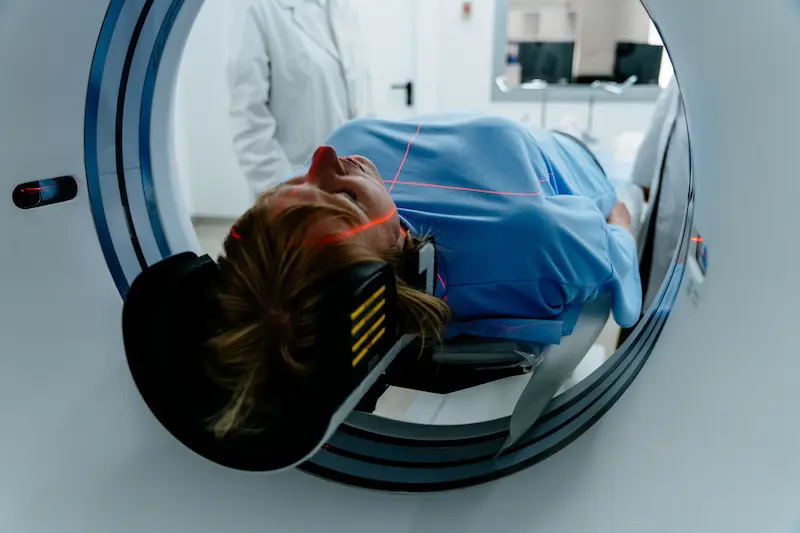
A standard brain MRI in Turkey takes 20–40 minutes, depending on whether contrast or functional imaging is included. You will lie on a padded table that slides into the MRI tunnel. Ear protection is provided because the scanner makes rhythmic tapping sounds as it captures images.
During the procedure, it’s crucial to stay still to avoid motion blur. Some modern 3T systems are equipped with silent or quieter sequences, significantly reducing the noise. The technologist communicates with you through an intercom and monitors you throughout. If contrast is required, it’s injected midway through the scan to enhance blood vessel and tissue visibility.
Hospitals offering 3T MRI in Turkey often use wide-bore designs, which feel less confining and allow more airflow—ideal for patients prone to claustrophobia. You’ll know the exam is over when the table slides out and the technologist confirms image quality.
Step 4: Receiving Your Results (English-Speaking Doctors & Digital Reports)
After your scan, images are processed and reviewed by a neuroradiologist. Most neurological imaging in Turkey centers deliver a preliminary report within 24 hours and a final verified report within 48 hours. English-language versions are standard for international patients.
You will receive:
- A digital DICOM copy (for upload or sharing with your home doctor)
- A written report summarizing findings and clinical impressions
- Access to an online portal or USB drive with your data
Some hospitals also arrange an optional teleconsultation with a neurologist to explain your results and next steps. This is especially helpful if your MRI detects findings requiring further evaluation, such as demyelinating lesions, aneurysms, or post-traumatic changes.
Patients consistently appreciate how streamlined this process is—booking, scanning, and results can often all happen within three to five days. This speed, paired with precision technology and specialist oversight, explains why Turkey has become a preferred hub for advanced brain scan services.
Whether you come for a 3 Tesla brain MRI Turkey, a follow-up tumor evaluation, or functional mapping before neurosurgery, the process is structured for confidence and convenience. Each stage—from pre-booking to report delivery—is handled by trained staff used to international standards.
Ultimately, this patient journey reflects Turkey’s growing reputation for medical tourism excellence: efficient coordination, transparent pricing, and world-class neurological imaging in Turkey—all within a caring, patient-friendly environment.
Addressing Patient Concerns: Comfort, Claustrophobia, and Safety
For many first-time patients, the thought of undergoing a brain MRI in Turkey can bring up a few concerns — mainly about comfort, the confined space, and safety. Turkish hospitals are well aware of these issues and have built their imaging departments to prioritize patient well-being. Whether it’s your first MRI or a repeat advanced brain scan in Turkey, you can expect clear communication, empathetic staff, and a relaxing environment designed to make the process as smooth as possible.
Afraid of Enclosed Spaces? Solutions for Claustrophobia
Claustrophobia is one of the most common worries among patients preparing for an MRI. Fortunately, medical centers offering neurological imaging in Turkey provide several solutions to help you stay calm and comfortable.
- Wide-Bore MRI Machines:
Modern 3T MRI in Turkey scanners have wider openings (up to 70 cm), creating a more spacious feel compared to older machines. This helps reduce the “tunnel” effect and improves airflow, making it easier for anxious patients to relax. - Open MRI Options:
Some hospitals offer open MRI units, which do not enclose the entire body. While these systems usually operate at lower magnetic strengths (around 1.2T–1.5T), they are suitable for patients with severe claustrophobia, children, or those with obesity or mobility limitations. - Sedation or Anxiolytic Medication:
If anxiety is strong, your radiologist may prescribe a mild sedative before the procedure. Turkish hospitals are experienced in supporting patients who need this additional comfort, ensuring safety and effective monitoring throughout the process. - Communication & Music:
During the scan, technologists maintain voice contact via an intercom, and many centers allow you to listen to soft music through headphones. This makes time pass faster and reduces discomfort from the rhythmic scanner noises.
These steps ensure that even nervous patients can successfully complete their brain MRI in Turkey without distress.
Open MRI vs. Wide-Bore MRI: What Are Your Options in Turkey?
While both open and wide-bore systems aim to enhance patient comfort, the choice often depends on your clinical needs.
- Wide-bore 3T MRI scanners are the preferred option for most advanced brain scan in Turkey cases because they combine comfort with exceptional image quality. They are ideal for neurological studies that require high resolution, such as detecting multiple sclerosis plaques, tiny strokes, or small tumors.
- Open MRI scanners are best for patients who cannot tolerate enclosed spaces. However, image quality may be slightly reduced, especially for deep brain structures. Still, open MRI remains a practical alternative for claustrophobic patients or for follow-up scans that don’t require ultra-high resolution.
Discuss your comfort level with your coordinator before booking. They can advise whether an open or wide-bore system best matches your medical and emotional needs.
Is the MRI Procedure Painful?
No part of the mri scan in Istanbul or any other Turkish city involves pain. The MRI uses magnetic fields — not radiation or invasive instruments. The only potential discomfort might be lying still for 20–40 minutes or hearing repetitive tapping sounds from the scanner.
If contrast is administered, you may briefly feel a cool sensation when the dye enters the vein. Turkish technologists explain every step beforehand to prevent surprises and will ensure you remain comfortable throughout the session.
For children or patients with special needs, some facilities offer gentle sedation or parental presence during the scan. Comfort is always prioritized.
The Safety of Contrast Dye: What You Need to Know
When a brain MRI in Turkey includes contrast, gadolinium-based agents are used to enhance visibility of blood vessels, inflammation, and tumors. These agents have been thoroughly tested worldwide and are generally considered very safe when used in proper doses.
Hospitals offering neurological imaging in Turkey follow international safety protocols:
- Kidney function is checked if there’s any concern about reduced clearance.
- Only macrocyclic gadolinium agents—known for greater stability—are used in top-tier facilities.
- In rare cases of allergy, the team is equipped to respond immediately.
If you have a history of kidney disease, allergic reactions, or autoimmune conditions, it’s important to mention this during pre-scan screening. The radiologist can then choose the safest protocol, sometimes even opting for a non-contrast scan if clinically appropriate.
How to Choose the Best Hospital for Neurology in Turkey
Selecting the right hospital for your brain MRI in Turkey is just as important as the scan itself. The quality of your diagnosis depends on the machine’s capability, the radiologist’s expertise, and the overall hospital infrastructure. Turkey’s healthcare sector offers a wide range of choices — from university-affiliated medical centers to international private hospitals specializing in neurological imaging in Turkey. Understanding what to look for ensures that you receive accurate results, transparent pricing, and a stress-free experience.
Why JCI-Accreditation Matters for Your Safety and Care
One of the first signs of a high-standard facility is Joint Commission International (JCI) accreditation. This certification indicates that the hospital adheres to strict international healthcare standards in safety, hygiene, and patient communication.
JCI-accredited hospitals in Istanbul, Ankara, and Izmir are routinely inspected for compliance with global medical protocols. They are required to:
- Maintain standardized radiology safety measures
- Use globally approved contrast agents
- Employ qualified radiologists and neurologists trained abroad
- Offer comprehensive patient support, including translation and post-visit assistance
When booking your brain MRI in Turkey, always confirm the hospital’s accreditation status. Choosing a JCI-accredited center guarantees that you’re receiving care equal to top-tier European and American hospitals — often at a much lower price.
Evaluating the Radiology and Neurology Departments of a Hospital
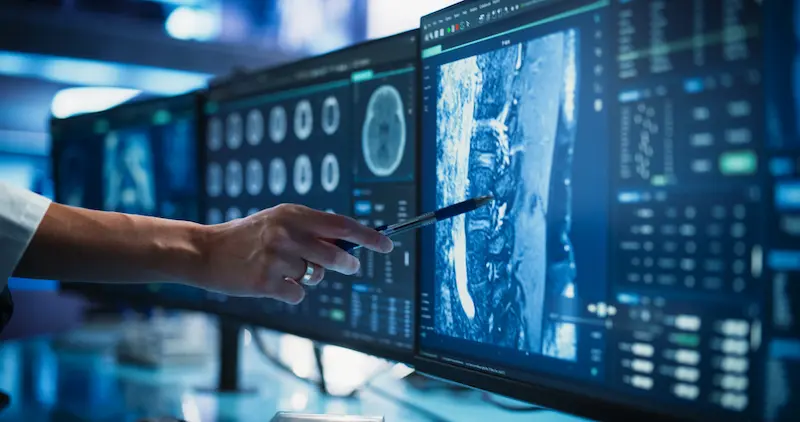
The next factor to assess is the hospital’s radiology and neurology capabilities. Look for a facility that integrates both departments closely since collaboration between radiologists and neurologists enhances diagnostic precision.
Here’s what defines a strong neurological imaging in Turkey center:
- Use of 3T or 3 Tesla systems: Ensure they operate modern scanners. A 3T MRI in Turkey provides sharper, faster imaging for accurate neurological assessment.
- Specialized neuroradiologists: Choose hospitals that employ radiologists dedicated to brain and spine imaging. Subspecialty readers can detect subtle changes that general radiologists might miss.
- Advanced imaging options: Hospitals offering functional MRI (fMRI) in Turkey, Diffusion Tensor Imaging (DTI), and MR Spectroscopy deliver more detailed insights into brain function and connectivity.
- Digital reporting and teleconsultation: Confirm that your results will be delivered in English, with an option for an online meeting to discuss the report with your doctor.
- Integrated treatment network: If your MRI shows an issue requiring treatment, select hospitals with neurosurgery, oncology, or neurology departments on-site.
Leading hospitals in Istanbul, for example, combine advanced brain scan in Turkey services with specialized care teams who guide patients from diagnosis through to recovery.
Reading Reviews and Testimonials from Other International Patients
Before finalizing your appointment, take time to read verified patient reviews. Real experiences can provide valuable insights into how hospitals treat international visitors. Look for comments about:
- Communication in English (or your preferred language)
- Waiting times and organization of appointments
- Quality of facilities and cleanliness
- Accuracy and speed of report delivery
- Friendliness and professionalism of staff
Reviews on trusted platforms such as Google, Trustpilot, or medical tourism websites often highlight differences in service quality. Many patients also mention cost clarity and the helpfulness of coordinators in arranging logistics.
Positive testimonials about a 3 Tesla brain MRI Turkey service often praise the image clarity, detailed explanations by radiologists, and the ease of digital access to results. You may even find sample reports or before-and-after stories that reflect a hospital’s transparency.
When comparing centers, avoid choosing solely based on price. Instead, look for a hospital that balances cost-effectiveness with accreditation, advanced technology, and consistent international patient support.
Frequently Asked Questions (FAQ)
How long do I need to stay in Turkey for my MRI?
You’ll typically need 2 to 3 days in total. Most hospitals can schedule your mri scan in Istanbul or another city within 24–48 hours of booking.
• Day 1: Arrival and consultation.
• Day 2: MRI scan (with or without contrast).
• Day 3: Receive your results and meet with your doctor if needed.
If you are having an advanced functional MRI (fMRI) in Turkey or multiple brain scans, your stay may extend to 4–5 days. However, this is still much faster than the long waiting lists in many European countries.
Can I fly right after my brain scan?
Yes, you can fly the same day after your brain MRI in Turkey. The procedure is completely non-invasive and doesn’t use radiation, so there are no travel restrictions afterward.
The only exception is if you received sedation (for anxiety or claustrophobia). In that case, your medical team will recommend resting for a few hours before traveling. If no sedative was used, you can safely fly or resume daily activities immediately.
Will I get my MRI results in English?
Yes, all hospitals serving international patients provide MRI reports in English. You will receive:
• A written medical report prepared by a certified neuroradiologist.
• A digital copy (DICOM format) of your MRI images for your records.
• Optional video or online consultation with an English-speaking neurologist to review your results and answer your questions.
Some clinics can also provide translations in Arabic, Russian, or French upon request.
Do I need a doctor’s referral from my home country?
No, you can book your brain MRI in Turkey directly without a referral. Hospitals regularly accept international patients who self-refer. During your first consultation, a neurologist or radiologist will discuss your symptoms and determine which scan you need — standard MRI, 3 Tesla brain MRI Turkey, or functional MRI (fMRI) in Turkey.
If you plan to claim reimbursement from insurance in your home country, having a referral may help with paperwork, but it’s not required to access imaging in Turkey.