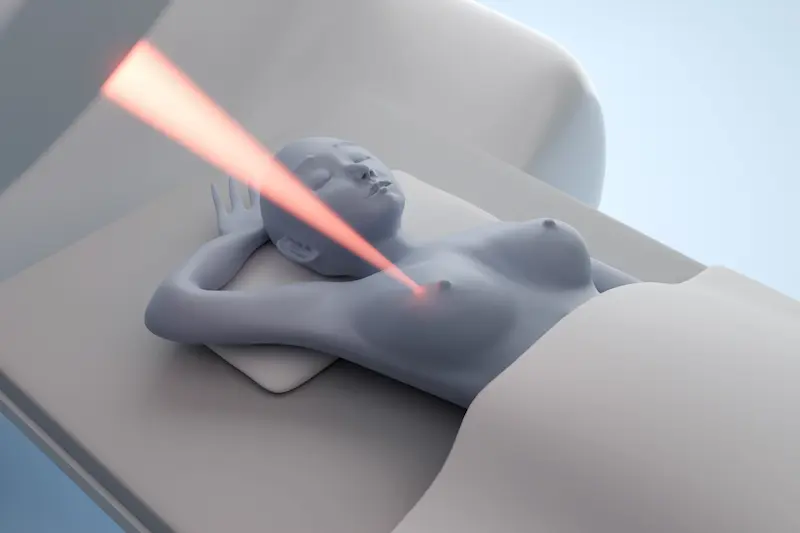
Breast Cancer Turkey appears throughout this guide because our mission is to connect evidence-based care with practical steps you can take today. In Section 1, you will learn how awareness turns into action, how to read your personal risk, and which screening tests to consider in Turkey’s accredited centers. We explain timelines, checklists, and travel tips for international patients. Whether you are booking your first screen or seeking clarity about symptoms, start here with reliable information designed to support informed, confident decisions. Your health journey in Turkey can be organized, affordable, and safe.
Table of Contents
Breast Cancer Awareness
Awareness is more than a campaign ribbon. It is the habit of knowing your personal risk, recognizing early warning signs, and following a regular screening plan in a trusted clinic. For Breast Cancer Turkey, awareness starts with simple steps you can take this week, from learning what a normal breast feels like to scheduling a baseline exam. If you are 40 or older, consider a screening plan that may include breast cancer screening Turkey, a mammogram in Turkey, or complementary imaging tailored to your age and breast density.
Awareness in practice means choosing dependable providers. In major cities like Istanbul, Ankara, and Izmir, accredited centers offer modern imaging, same-day reporting, and multilingual assistance. Patients exploring breast cancer Turkey services can request appointments that combine clinical breast exam with targeted imaging the same day, reducing anxiety and delays. If an abnormality is found, rapid access to breast ultrasound Turkey, breast MRI Turkey, or breast biopsy Turkey helps move quickly from question to answer.
Knowing your plan matters. Start by assessing baseline risk and set reminders for annual or risk-based imaging. Ask whether you qualify for BRCA testing Turkey, especially with strong family history or early-onset cancers. If screening or symptoms lead to a diagnosis, coordinated pathways for breast cancer diagnosis Turkey ensure results are reviewed by specialist radiologists and multidisciplinary tumor boards. Early clarity allows you to consider next steps, from active surveillance to therapy, without unnecessary delay.
Awareness also means thinking ahead about treatment pathways, even before you need them. Should a diagnosis be confirmed, your team may discuss surgical options and adjuvant care. You will see this guide reference breast cancer treatment in Turkey and breast cancer treatment Turkey, alongside procedures such as breast cancer surgery Turkey, lumpectomy in Turkey, mastectomy in Turkey, and breast reconstruction Turkey. Understanding that these options exist—and that they are delivered within structured, accredited programs—can reduce fear and help you plan.
Practicalities matter. Transparent packages for imaging and diagnostics are common, and many centers provide cost estimates in advance. As you compare options, look beyond price. Confirm equipment quality, radiologist expertise, and turnaround times for results. Ask how quickly a suspicious finding can be escalated to biopsy, and when a multidisciplinary discussion would occur. If you ultimately require adjuvant care, pathways may include radiotherapy for breast cancer Turkey, chemotherapy for breast cancer Turkey, hormone therapy breast cancer Turkey, targeted therapy breast cancer Turkey, and immunotherapy breast cancer Turkey.
If you are traveling for care, plan smart. Choose flexible flights, keep your medical records in digital form, and ask clinics about airport transfers or translation support. Many oncology centers offer virtual pre-consultations so you can discuss breast cancer diagnosis steps before you arrive. Request secure sharing of prior images to avoid repeat exposure. The right preparation makes your visit efficient, respectful, and focused on what matters most: timely detection and a personalized plan.
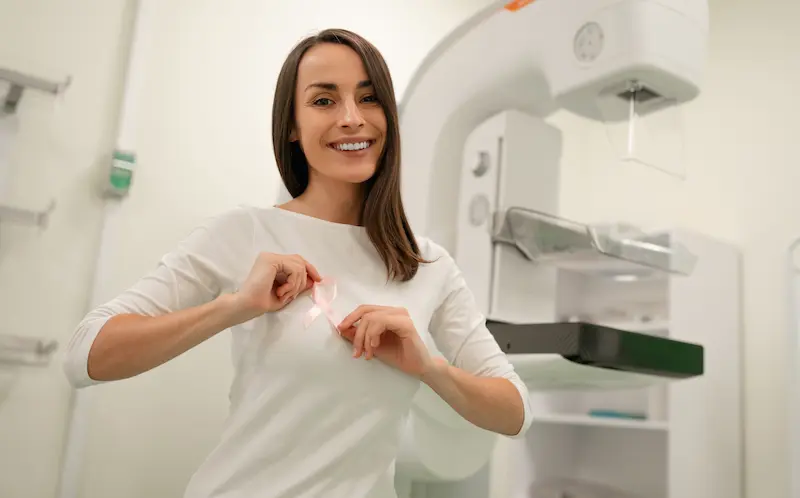
Am I at Risk? checklist (age, family history, symptoms)
This checklist helps you gauge risk and decide which screening steps to prioritize. It does not replace medical advice, but it gives you a structured starting point. If you check multiple items, consider booking a mammogram in Turkey or breast ultrasound Turkey soon, and ask whether breast MRI Turkey is appropriate for you.
Age considerations
- Under 40 with symptoms or high risk: seek a prompt clinical exam and tailored imaging.
- Ages 40–49: discuss annual screening and individualized intervals.
- Ages 50+: maintain consistent, guideline-based screening.
Family history and genetics
- First-degree relatives with breast or ovarian cancer, particularly at younger ages.
- Multiple relatives across generations with related cancers.
- Known pathogenic variants such as BRCA1 or BRCA2: prioritize BRCA testing and discuss BRCA testing Turkey if you prefer local services.
Personal medical history
- Prior atypical biopsy findings or chest radiation exposure.
- Dense breast tissue reported on imaging.
- Previous breast cancer: maintain an enhanced surveillance plan under specialist care.
Hormonal and reproductive factors
- Early menstruation or late menopause.
- Older age at first pregnancy or no full-term pregnancies.
- Long durations of hormone exposure: review benefits and risks with your doctor.
Lifestyle and environmental factors
- Limited physical activity, high alcohol intake, or tobacco exposure.
- Unmanaged stress and poor sleep: address modifiable habits that support overall health.
- Occupational exposures: discuss any concerns with your physician.
Early warning signs to act on now
- A new lump or thickening in the breast or underarm.
- Changes in size, shape, or contour of one breast.
- Skin dimpling, redness, scaling, or a peau d’orange appearance.
- Nipple inversion, discharge, or bleeding not related to breastfeeding.
- Persistent, localized pain unrelated to the menstrual cycle.
What to do next
- If you notice a change, arrange breast cancer screening Turkey without delay. Start with breast ultrasound if you are younger or have dense breasts, or go straight to a mammogram in Turkey if you meet routine screening criteria. Your radiologist may add breast MRI Turkey for clearer detail.
- If imaging detects a suspicious area, a breast biopsy or breast biopsy Turkey confirms the diagnosis. Clear histology supports confident decisions.
- If results indicate cancer, ask for a multidisciplinary consultation. You will hear about options such as breast cancer surgery Turkey, including lumpectomy in Turkey, mastectomy in Turkey, and breast reconstruction Turkey, plus adjuvant treatments like radiotherapy for breast cancer Turkey, chemotherapy for breast cancer Turkey, hormone therapy breast cancer Turkey, targeted therapy breast cancer Turkey, and immunotherapy breast cancer Turkey.
- Request a written summary of findings, stage, and next steps. If you are comparing centers, inquire about breast cancer treatment cost Turkey to budget travel and accommodation.
- Remember: even after a diagnosis, many breast cancers are highly treatable, especially when found early. Your team will personalize care using modern pathways aligned with global standards.
Finally, keep the big picture in view. Breast Cancer Turkey care emphasizes early action and coordinated support. You will read more about hormone therapy breast cancer, targeted therapy breast cancer, and immunotherapy breast cancer in later sections. By knowing your risk and acting promptly, you reduce delays, lower anxiety, and improve outcomes. Your next step is simple: book appropriate imaging, collect your records, and choose a center that communicates clearly, treats you with dignity, and offers seamless pathways from screening to decision-ready results.
Early Detection and Screening Options in Turkey
Early detection saves lives, lowers treatment intensity, and keeps options open. In major cities, Breast Cancer Turkey pathways streamline appointments so you can combine a clinical breast exam with same-day imaging. If a finding appears suspicious, radiologists escalate to targeted scans and arrange a rapid breast biopsy or breast biopsy Turkey to confirm the diagnosis. This “triple assessment” model—exam, imaging, pathology—supports accurate breast cancer diagnosis and, when needed, fast-tracked breast cancer diagnosis Turkey.
For people at average risk, screening typically begins at 40 with an annual or biennial mammogram in Turkey. If your breasts are dense, you may also be offered breast ultrasound or breast ultrasound Turkey for improved detection. Those with higher-than-average risk—because of strong family history, prior chest radiation, or a known genetic variant—often start earlier and may include breast MRI Turkey as a supplemental test.
If you live abroad, many centers offer coordinated breast cancer screening Turkey packages. These can include pre-visit teleconsultation, appointment bundling, and same-day results in English. Ask clinics to share imaging protocols in advance and confirm whether tomosynthesis (3D mammography) or contrast-based techniques are available for your case. If you have prior images, send them ahead for comparison to reduce repeat scans and radiation.
Your screening plan should be personalized. Under 40 with symptoms? Do not wait—book a clinical assessment and targeted imaging. Between 40 and 49? Discuss annual imaging, especially if dense breasts or added risk factors are present. From 50 onward, maintain a steady schedule tailored to your risk and breast density. After 70, decisions are individualized based on overall health and life expectancy; many people continue periodic imaging if benefits outweigh burdens.
A good screening visit is calm, quick, and clear. Ask how and when results will arrive and whether a radiologist can speak with you on the same day. Confirm what happens if something is abnormal: who orders the next test, when the breast biopsy would occur, and how pathology results are delivered. If you are comparing centers, request a transparent breakdown of fees and any bundled options. While extensive treatment costs fall under breast cancer treatment cost Turkey, knowing the price of screening and diagnostics helps you plan ahead.
Finally, remember the goal of Breast Cancer Turkey screening is not just to “find something.” It is to find the right things, early enough to be curable with the least invasive approach. The next section explains each test in plain language so you can make informed choices with your physician.
Different Types of Breast Exams and Screenings
Digital mammography (2D)
Digital mammography is the foundational screening test for adults at average risk. It uses low-dose X-rays to create 2D images from two standard angles of each breast. In experienced hands, it detects calcifications and masses that you may not feel. For many people, annual or biennial scheduling of a mammogram in Turkey is the simplest, most evidence-based way to reduce mortality from breast cancer.
2D mammography is quick—often under 15 minutes—and widely available in accredited centers serving Breast Cancer Turkey patients. It can be less sensitive in dense breasts where fibroglandular tissue obscures lesions. If your report mentions density, your radiologist may suggest additional imaging. Abnormal findings do not mean cancer; they mean you need clarification, commonly with diagnostic mammography, breast ultrasound, or targeted views before considering breast biopsy Turkey for a definitive answer.
Digital breast tomosynthesis (DBT/3D mammogram)
Tomosynthesis acquires multiple low-dose images across an arc and reconstructs thin “slices” through the breast. This reduces tissue overlap, improving cancer detection and lowering recall rates compared with 2D alone, particularly in dense breasts. Many Breast Cancer Turkey centers offer DBT as part of routine screening or diagnostic work-ups.
Expect a similar experience to standard mammography, with slightly longer image acquisition. Not every case requires DBT, but it is valuable when the 2D image looks crowded or ambiguous. If you are traveling, check whether your chosen clinic performs 3D by default. A DBT-guided assessment can clarify architectural distortions, guide targeted ultrasound, and reduce unnecessary biopsies while ensuring that truly suspicious areas move forward to breast biopsy without delay.
Breast ultrasound (handheld or automated/ABUS)
Ultrasound uses sound waves to differentiate cysts from solid masses and to characterize lesions seen on mammography. It is especially helpful for dense breasts and for people under 40 who present with a new lump. Handheld ultrasound depends on operator skill, while automated breast ultrasound (ABUS) scans the entire breast volume in an organized, reproducible way. Both are widely used in breast cancer screening Turkey pathways.
If you prefer a radiation-free adjunct or cannot tolerate compression, ask for breast ultrasound Turkey. As a stand-alone screening test, it may miss microcalcifications best seen on mammography. In practice, ultrasound shines as a problem-solving tool after a mammogram in Turkey, and as a guide for needle procedures. When a lesion looks suspicious, ultrasound-guided core breast biopsy or breast biopsy Turkey can provide tissue quickly and accurately, minimizing delays in breast cancer diagnosis.
Breast MRI (with contrast)
Contrast-enhanced MRI is the most sensitive imaging modality for many high-risk people and for specific diagnostic questions. It evaluates both breasts in detail, mapping vascular patterns associated with tumor biology. Centers serving Breast Cancer Turkey patients use MRI for screening in genetic carriers, for staging newly diagnosed cancers, and for clarifying discrepancies between mammography and ultrasound.
If you have a strong family history or a known pathogenic variant, ask whether your plan should include breast MRI Turkey in addition to mammography. MRI requires an intravenous contrast agent and takes longer than other tests. It is not for everyone; false positives can occur, leading to extra targeted ultrasound or MRI-guided breast biopsy. Used appropriately, MRI can find otherwise occult lesions, support breast-conserving strategies, and inform surgical planning.
Contrast-enhanced mammography (CEM)
CEM combines iodinated contrast with dual-energy mammography to highlight areas of increased vascularity, similar in concept to MRI but using X-ray technology. It can be a practical alternative when MRI is contraindicated or unavailable, and it fits easily into mammography workflows. As CEM becomes more available, Breast Cancer Turkey centers use it for problem solving, preoperative mapping, and staging.
Expect an IV contrast injection and a set of enhanced images taken shortly thereafter. CEM often clarifies whether an ambiguous 2D or 3D finding is biologically active. If CEM shows enhancement correlating with a lesion, your team will usually proceed to targeted ultrasound or tomosynthesis-guided breast biopsy. CEM is not a universal replacement for MRI, but it can provide actionable information quickly, which is valuable for travelers on tight schedules.
Molecular breast imaging (MBI)
MBI is a nuclear medicine technique that uses a radiotracer taken up by metabolically active tissue, allowing cancers to “light up” even in dense breasts. It is not a first-line screening test, but it can be considered when mammography and ultrasound are inconclusive and MRI is not suitable. Availability is more limited than other modalities, yet some advanced Breast Cancer Turkey centers include MBI within comprehensive diagnostic pathways.
Because MBI involves injected tracers and radiation, its use is selective and guided by a nuclear medicine specialist. When appropriate, MBI can reduce uncertainty, direct biopsies, and help avoid unnecessary surgical exploration. If you are considering MBI during breast cancer screening Turkey, confirm availability and discuss how results would change your management. Any suspicious uptake should be correlated with targeted imaging and, if warranted, tissue sampling via breast biopsy Turkey to achieve a definitive breast cancer diagnosis.
Risk Factors and Early Warning Signs of Breast Cancer
Risk is personal, not a label. Your goal is to understand where you stand today and what you can improve this month. Non-modifiable factors include age, genetics, and breast density. Modifiable factors include body weight, alcohol intake, physical activity, and adherence to screening. In the Breast Cancer Turkey pathway, clinicians translate your profile into a practical plan so you know which tests to schedule and how often to return for follow up.
Age remains the strongest single risk factor. Risk rises gradually in the thirties, accelerates in the forties, and continues to increase with each decade. That is why many people begin regular imaging at forty and maintain it consistently. If you are younger but notice symptoms or have a strong family history, do not wait. Seek a clinical exam and targeted imaging quickly. That prompt action shortens the time to clarity and lowers stress.
Family history matters when cancers appear early, affect both breasts, or cluster with ovarian, pancreatic, or prostate cancers. If a first-degree relative had breast or ovarian cancer, your personal risk is higher. Ask about genetics and whether a hereditary pattern fits your family. People with known BRCA variants often start screening earlier and include enhanced imaging. If you plan to be evaluated in Turkey, ask about coordinated appointments that combine genetics, imaging, and counseling.
Breast density describes how much fibroglandular tissue is present on imaging. Dense tissue can hide small tumors on mammography and slightly increases risk. If your report notes density, expect your radiologist to personalize the plan using ultrasound or MRI as needed. In the Breast Cancer Turkey setting, density is not a barrier to early detection. It simply guides which tools to use so you get reliable answers without unnecessary delay or repetition.
Hormonal and reproductive factors also influence risk across a lifetime. Earlier menstruation, later menopause, older age at first birth, or not having a full-term pregnancy may increase risk. Prolonged exposure to exogenous hormones can contribute, although individual benefits and risks differ. If you use hormonal medications, review them with your clinician and set a screening cadence that matches your profile. A tailored plan reduces uncertainty and protects long-term health.
Lifestyle is a lever you control. Aim for regular exercise, a balanced Mediterranean-style diet, moderation with alcohol, and consistent sleep. Manage stress with supportive routines. Small changes sustained over time improve overall health and may lower breast cancer risk. None of these steps replaces screening, but they complement it. The Breast Cancer Turkey model encourages preventive habits alongside systematic imaging and fast access to diagnostics when symptoms appear.
Know the warning signs. A new lump or thickening anywhere in the breast or armpit deserves attention. Changes in symmetry, new dimpling, or skin that looks like an orange peel are concerning. Nipple inversion that is new for you, discharge that is bloody or persistent, or redness that does not settle should be assessed. Focal pain that does not track your menstrual cycle also warrants evaluation. Trust your instincts and act.
If you notice a change, book evidence-based imaging rather than waiting. For many, that begins with a mammogram in Turkey paired with breast ultrasound if breasts are dense. Younger people or those who are pregnant can still undergo ultrasound safely. If findings are suspicious, a targeted breast biopsy or breast biopsy Turkey provides a definitive answer. Early confirmation opens doors to conservative surgery and less intensive therapy.
International patients often ask about timelines. In leading centers, same-day evaluation is common. A typical path includes a clinical exam, imaging, and, when indicated, tissue sampling. Results are reviewed by a multidisciplinary team so you can leave with a written plan. If travel is involved, coordinate appointments in advance and confirm report delivery in English. The process is built to be efficient, respectful, and medically rigorous.
Finally, remember that most breast symptoms are not cancer. Cysts, fibroadenomas, and hormonal changes are common. The purpose of screening and prompt assessment is to sort harmless changes from those that need action. When a diagnosis is made early, treatment is often shorter, recovery is faster, and cosmetic outcomes are better. That is the central promise of the Breast Cancer Turkey approach to risk and early signs.
Diagnostic Tests and Staging: From Mammogram to Biopsy
Diagnosis is a sequence, not a single test. It usually starts with diagnostic mammography that includes additional views focused on the area of concern. Targeted ultrasound examines the same region to decide whether a lesion is cystic or solid and to map its borders. If you have dense breasts, 3D mammography or contrast techniques can clarify overlap. Each step aims to reduce uncertainty and point precisely to the right next action.
When imaging suggests a suspicious lesion, tissue confirmation follows. Core needle biopsy is the standard because it preserves architecture for accurate pathology. If the lesion is visible on ultrasound, the biopsy is ultrasound guided. If seen only on mammography, stereotactic guidance is used. When visible only on MRI, MRI-guided biopsy is performed. In Turkey’s coordinated pathways, image-guided breast biopsy or breast biopsy Turkey is scheduled promptly to avoid treatment-limiting delays.
Your pathology report identifies the cancer type and grade. It also includes biomarker testing for estrogen receptor, progesterone receptor, and HER2 status, plus proliferation indices. These markers determine suitability for hormone therapy breast cancer, targeted therapy breast cancer, and immunotherapy breast cancer. Accurate receptor profiling is essential because it influences surgery, systemic therapy, and radiation planning. Centers focused on breast cancer diagnosis Turkey ensure standardized testing and second-check verification.
Staging describes how far the disease has spread. Clinical staging uses tumor size, lymph node involvement, and distant spread. Imaging for staging is tailored. Many early-stage cases need only breast and axillary assessment. Selected patients may undergo MRI for local mapping, CT or PET for systemic evaluation, and bone imaging when symptoms or lab findings suggest risk. The goal is to gather exactly the information required to choose the least burdensome effective treatment.
A crucial step is sentinel lymph node mapping performed around the time of surgery. A tracer identifies the first draining nodes so only a small number are removed and examined. If these are negative, extensive node removal is often unnecessary, reducing lymphedema risk. This approach aligns with modern guidelines and is standard in breast cancer surgery Turkey programs, whether the operation is breast conserving or a mastectomy planned with reconstruction.
Genomic assays can refine decisions about chemotherapy in certain hormone receptor positive cancers. These tests estimate recurrence risk and whether chemotherapy adds meaningful benefit beyond endocrine therapy. They are not needed for every diagnosis. Your multidisciplinary team will explain when they help and how results guide choices. Incorporating genomics supports the promise of the Breast Cancer Turkey model: personalized care that avoids both undertreatment and overtreatment.
What if imaging is abnormal yet non-specific? Sometimes short interval follow up is safest, especially for probably benign findings. Your radiologist assigns an assessment category that sets the interval and method for rechecking. When needed, vacuum-assisted biopsy can remove more tissue for clarity. The aim is not to perform more procedures, but to reach a confident conclusion as efficiently and safely as possible.
Throughout this process, communication is everything. Ask for written summaries that list your imaging findings, pathology, and stage in clear language. Ensure you understand next steps, timelines, and contingency plans. If you are traveling, request digital copies of images and reports. Many centers bundle navigation services and offer price transparency so you can anticipate breast cancer treatment cost Turkey once a plan is defined. Clarity reduces anxiety and prevents drift.
Once staging is complete, your team outlines options. For early disease, breast conserving surgery with targeted radiation may be recommended. For larger or biologically aggressive tumors, preoperative systemic therapy can shrink the cancer, increase breast conservation rates, and test real time sensitivity to drugs. Your plan may later include radiotherapy for breast cancer Turkey, chemotherapy for breast cancer Turkey, hormone therapy breast cancer Turkey, targeted therapy breast cancer Turkey, or immunotherapy breast cancer Turkey as appropriate.
Turkey’s leading oncology centers deliver this pathway in an integrated manner. Expect a coordinated timetable that moves from imaging to biopsy to plan within days, not months. Multidisciplinary boards meet regularly, bringing together surgeons, medical oncologists, radiation oncologists, radiologists, pathologists, and nurse navigators. For international patients, administrative teams handle appointments, translation, and travel support so medical decisions remain your focus.
If you receive a diagnosis, remember that the path you have already walked matters. By completing high-quality imaging and obtaining accurate pathology, you have taken the most important steps toward effective treatment. The next section explores advanced therapies available in Turkey and how personalization through modern biology improves outcomes while protecting quality of life.
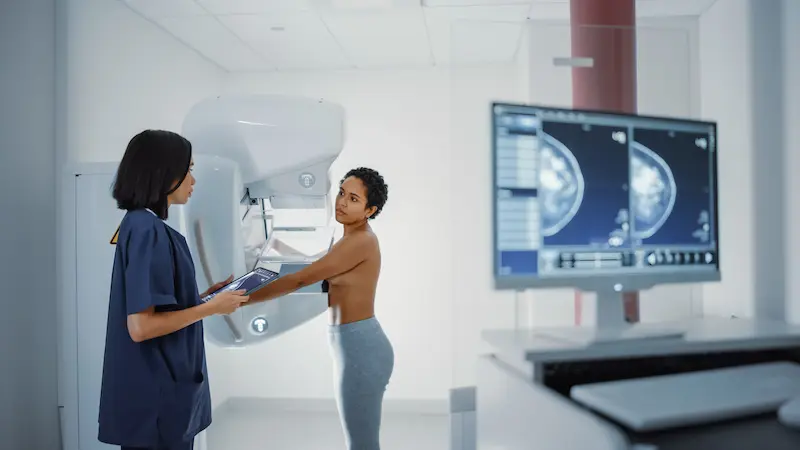
Advanced and Personalized Therapies in Turkey: Targeted Therapy, Immunotherapy, Genomic Profiling
Personalized treatment begins with tumor biology. Your pathology and biomarker profile guide the plan, and your goals and preferences refine it. In leading Breast Cancer Turkey centers, multidisciplinary boards translate data into practical steps that fit your life, not the other way around.
For hormone receptor positive disease, endocrine therapy is the backbone. Options include ovarian suppression, aromatase inhibitors, or selective estrogen receptor modulators. When appropriate, CDK4/6 inhibitors add control while preserving quality of life. These regimens are standard within hormone therapy breast cancer Turkey pathways and are adjusted to minimize side effects.
Targeted therapy addresses specific drivers. HER2 positive cancers benefit from monoclonal antibodies, small molecules, and antibody–drug conjugates. For tumors with actionable mutations, PI3K and other pathway inhibitors may be considered. Access to these medicines is coordinated within targeted therapy breast cancer Turkey programs, with pharmacy teams monitoring interactions and safety.
Triple negative disease often responds best to combination approaches. When PD-L1 expression or other markers support it, immune checkpoint blockade is considered. In appropriate cases, chemo-immunotherapy increases pathologic complete response rates before surgery. This option is available in immunotherapy breast cancer Turkey protocols that align with global standards and include careful toxicity monitoring.
Genomic profiling complements standard receptors. Next-generation sequencing can reveal targets, resistance mechanisms, or trial eligibility. Results are used judiciously, focusing on mutations with clear clinical value. If your family history suggests hereditary risk, clinicians may recommend BRCA testing alongside comprehensive tumor profiling or coordinate BRCA testing Turkey during your visit.
Neoadjuvant therapy can shrink tumors before surgery. Achieving a complete or near-complete response helps expand breast conservation options and informs adjuvant choices. Your team will explain whether this approach improves outcomes in your case and how it affects timelines for breast cancer surgery Turkey, including lumpectomy in Turkey or mastectomy in Turkey with oncoplastic planning.
Radiation remains a precision tool. Modern techniques shape dose to the target and spare the heart and lungs. Breath-hold methods, image guidance, and hypofractionated schedules shorten treatment while preserving results. These advances are standard within radiotherapy for breast cancer Turkey services and are tailored to your anatomy and surgical plan.
Chemotherapy still matters in many settings. Regimens are chosen to balance efficacy with tolerability, and supportive care reduces nausea, neuropathy, and fatigue. Infusion units are designed for comfort with multilingual nursing. When indicated, port placement is coordinated with surgery. All of this is integrated within chemotherapy for breast cancer Turkey care pathways.
Reconstruction and recovery are part of personalization. If you choose immediate reconstruction, your oncologic and plastic teams plan together. Options range from implants to autologous flaps, guided by your goals, body habitus, and any need for post-operative radiation. Comprehensive breast reconstruction Turkey services prioritize safety and symmetry while protecting oncologic outcomes.
Supportive oncology enhances the experience. Nutrition counseling, physiotherapy, and psychosocial care reduce complications and improve resilience. When hair loss is likely, scalp cooling systems may be discussed. Lymphedema prevention begins before surgery and continues through radiation. These elements are built into Breast Cancer Turkey survivorship planning.
Finally, international patients deserve clarity. Expect a written roadmap listing medicines, cycles, monitoring labs, and imaging checkpoints. Confirm how adverse effects are handled between visits and whether a local oncologist can co-manage care. Personalized therapy only works when communication is consistent and your questions are answered promptly.
Planning Treatment in Turkey: Accredited Hospitals, Costs, Travel Logistics, and Aftercare
Accreditation is your first filter. Look for JCI-accredited hospitals and surgeons with fellowship training in breast and oncoplastic surgery. Ask about tumor board frequency, pathology quality checks, and radiology subspecialization. These markers signal a mature Breast Cancer Turkey program where each step is standardized and audited for safety.
Surgical planning should be transparent. Your consultation covers options ranging from breast conservation to full removal. Ask how margins are assessed, how sentinel nodes are mapped, and how reconstruction is coordinated. Centers offering breast cancer surgery Turkey will explain candidly when lumpectomy in Turkey is appropriate and when mastectomy in Turkey with immediate reconstruction offers the best oncologic and cosmetic outcome.
If you are considering reconstruction, request a joint session with plastics. Review implant choices, autologous flap options, and how radiation may influence timing. A high-quality breast reconstruction Turkey pathway sets expectations about scars, recovery timelines, and the possibility of minor revisions after adjuvant therapy.
Costs should be predictable. Ask for itemized proposals that separate diagnostics, surgery, hospital stay, anesthesia, and implants from adjuvant therapy. Many centers provide bundled estimates for staging and initial treatment. Clarify what insurance covers and which payments are due on arrival. Transparent discussions of breast cancer treatment cost Turkey help you plan without surprises.
Diagnostics can be bundled efficiently. Coordinators schedule imaging and labs before your surgical date to avoid delays. Your plan may include a mammogram in Turkey, targeted ultrasound, MRI, and pre-operative marking. If new findings emerge, a same-day breast biopsy Turkey slot prevents drift and supports rapid breast cancer diagnosis Turkey confirmation.
Systemic therapy logistics merit early discussion. If chemotherapy or endocrine therapy will continue after you return home, verify medicine availability locally. Your team can align cycles with travel windows and share protocols with your home oncologist. Written plans ensure continuity across hormone therapy breast cancer Turkey, targeted therapy breast cancer Turkey, and immunotherapy breast cancer Turkey when these are indicated.
Radiation planning considers life commitments. Some schedules finish in three to five weeks, and selected patients qualify for shorter hypofractionated courses. Confirm mapping, start dates, and daily timing. Centers delivering radiotherapy for breast cancer Turkey often accommodate early morning or late afternoon sessions so you can balance treatment and rest.
Travel logistics are straightforward with preparation. Share your tentative arrival date early so coordinators can reserve consults, scans, and operating room time in sequence. Many hospitals assist with airport transfers and nearby hotels. Keep records on a secure drive. Bring medication lists and allergy details. The Breast Cancer Turkey model is designed to compress workups into efficient, humane itineraries.
Recovery planning starts before admission. Learn how to care for incisions, drains, and dressings. Ask about pain control, showering, and driving. Physiotherapy visits teach shoulder mobility and lymphedema prevention after sentinel or axillary procedures. If you are flying home, request fit-to-fly guidance and compression advice tailored to your case.
Aftercare is proactive. Expect a survivorship plan that lists follow-up visits, imaging frequency, lifestyle recommendations, and red-flag symptoms. Telemedicine check-ins keep you connected with your Turkish team. When possible, your center will coordinate with your local providers to share labs and images, ensuring a seamless Breast Cancer Turkey continuum.
Administrative details matter. Confirm consent forms in your language, data privacy policies, and how second opinions are handled. Ask who to call after hours, how refills work, and where to go if you need urgent care. Clear answers reduce stress and keep your focus on healing.
Finally, measure value as more than price. Consider expertise, communication, and access to modern therapies. A well-organized program that integrates diagnostics, surgery, systemic therapy, and radiation will save you time and improve confidence. With planning and a transparent budget for breast cancer treatment in Turkey and breast cancer treatment Turkey, your journey can be efficient, compassionate, and successful.
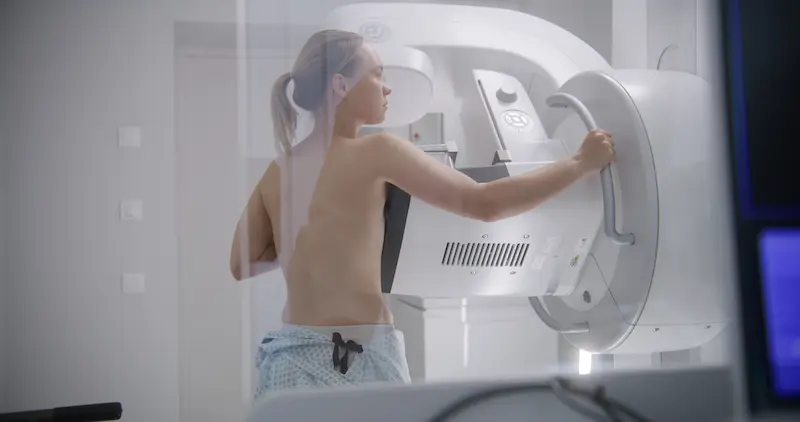
Fertility, Pregnancy, and Breastfeeding After Breast Cancer
Fertility preservation should be discussed before starting treatment. In Breast Cancer Turkey pathways, oncofertility consults are fast-tracked so you can consider egg or embryo freezing, ovarian tissue preservation, or ovarian suppression during chemotherapy. Your team coordinates timelines so preservation does not unduly delay surgery or systemic therapy. Planning early gives you more options later, even if you are unsure today about future family plans.
During treatment, choices depend on tumor biology and your goals. If you are receiving hormone therapy breast cancer Turkey, your clinicians may recommend postponing pregnancy until systemic treatment is complete and surveillance is stable. When chemotherapy is planned within chemotherapy for breast cancer Turkey protocols, protective strategies and cryopreservation are discussed in advance. After therapy, your team reviews ovarian function, menstrual recovery, and safe timing for conception based on your individual risk.
Pregnancy after breast cancer can be safe for many people. Decisions are individualized, taking into account time since diagnosis, receptor status, and any ongoing medicines. If you become pregnant and notice a breast change, ultrasound is the first-line test. Coordinated access to breast ultrasound Turkey helps differentiate pregnancy-related changes from concerning findings. Mammography with shielding may be considered when necessary; MRI that uses contrast is generally avoided during pregnancy, so your team balances clarity and safety.
Breastfeeding is often possible after breast-conserving surgery and radiation, though milk supply may be lower on the treated side. After lumpectomy in Turkey, lactation consultants can help optimize feeding positions and expectations. Following mastectomy in Turkey, breastfeeding from the removed side is not possible, but you may still nurse on the other side if no contraindications exist. If you require ongoing endocrine therapy within hormone therapy breast cancer, discuss compatibility with breastfeeding and potential pauses with your oncologist.
International patients benefit from written plans that include fertility timelines, pregnancy counseling, and lactation support. Breast Cancer Turkey centers commonly offer telemedicine follow-up for family-planning discussions, coordinate with local obstetricians, and provide clear guidance on symptom checks during pregnancy. If a new lump appears while pregnant, rapid pathways direct you to breast cancer screening Turkey with same-day assessment, targeted imaging, and, if needed, image-guided breast biopsy in a safe, pregnancy-aware protocol.
Genetic Counseling & BRCA Testing in Turkey
Genetics clarifies risk for you and your family. In major Breast Cancer Turkey hubs, genetic counselors work alongside oncologists, surgeons, and radiologists so testing, interpretation, and action plans are tightly integrated. Clear results influence screening intensity, surgical choices, and medication decisions, and they guide relatives toward appropriate evaluation.
Who should test
Consider evaluation if you or close relatives had breast cancer at a young age, multiple family members with related cancers, or bilateral or triple-negative disease. People with ovarian, pancreatic, or aggressive prostate cancers in the family also qualify for BRCA testing discussions. Those with a known familial variant should pursue cascade testing. For travelers, coordinated BRCA testing Turkey means pre-test counseling, sample collection during your visit, and post-test interpretation with a written plan you can share at home.
How testing Works
Pre-test counseling explains benefits, limits, and privacy. Consent is followed by a blood draw or saliva sample; laboratories assess BRCA1/BRCA2 and, when appropriate, multigene panels. Results are categorized as pathogenic, likely pathogenic, variant of uncertain significance, or negative. Your counselor translates this into action: intensified screening, surgical prevention options, or reassurance. If a variant is uncertain, your care does not hinge on it; the focus remains on personal and family history. For families abroad, Breast Cancer Turkey teams support secure data sharing and testing for relatives in their home countries.
Risk-reducing strategies and surveillance
If a pathogenic variant is found, prevention plans may include risk-reducing mastectomy or salpingo-oophorectomy at appropriate ages, alongside enhanced screening. Surveillance typically blends breast MRI Turkey, mammogram in Turkey, and breast ultrasound Turkey at personalized intervals. Medication-based risk reduction can be discussed for selected people. Lifestyle support—exercise, weight management, and moderated alcohol—complements medical strategies. When surgery is chosen, reconstruction options within breast reconstruction Turkey pathways are planned with oncoplastic teams to align aesthetics and risk reduction. Genetic findings also guide systemic therapy choices, including sensitivity to certain targeted therapy breast cancer approaches.
Why Choose Turkey for Breast Cancer Screening?
People choose Turkey because quality and coordination are built in. Accredited hospitals use modern platforms such as 3D mammography, contrast-enhanced techniques, and automated ultrasound, while subspecialist radiologists interpret studies with double-reading policies. This raises detection accuracy and reduces unnecessary callbacks. For many, a single-day itinerary bundles clinical exam, imaging, and, when indicated, same-day tissue sampling—an efficient Breast Cancer Turkey experience when time matters.
Access and affordability are balanced with safety. Centers provide transparent pricing for breast cancer treatment cost Turkey and publish clear inclusions for imaging packages, so travelers can compare services confidently. When a finding needs clarification, immediate pathways to breast biopsy Turkey keep momentum without compromising quality. If cancer is confirmed, multidisciplinary boards transition you smoothly from evaluation to breast cancer treatment in Turkey or breast cancer treatment Turkey, aligning surgery, radiation, and systemic therapies with your biology and goals.
Technology serves people only when teams communicate well. International coordinators arrange transfers, hotel options, and translators. Reports are delivered in English, and your images are shared securely so your home doctors can follow along. If you plan to continue part of your care at home, protocols for hormone therapy breast cancer, targeted therapy breast cancer, or immunotherapy breast cancer are documented for seamless handover. When radiation is indicated, radiotherapy for breast cancer Turkey schedules are optimized to minimize time away from work and family.
Turkey’s geography and connectivity make short visits practical. Many patients fly in for a mammogram in Turkey, add ultrasound, and depart with written results the same day. High-risk visitors can schedule breast MRI Turkey during the same trip, and anyone with symptoms can access rapid breast cancer diagnosis Turkey workflows. The combination of modern equipment, seasoned specialists, transparent costs, and hospitality creates a coherent, humane model of early detection.
Ultimately, screening is more than a test; it is a promise of clarity and timely action. By choosing breast cancer screening Turkey, you align with systems designed to detect important findings early, confirm them swiftly, and connect you to the right care. With careful planning and expert teams, Breast Cancer Turkey offers not only diagnostic excellence but also peace of mind—so you can move forward with confidence, whatever the results.
Frequently Asked Questions:
Is Turkey a good place for breast cancer treatment?
Yes. Many centers are JCI-accredited, offer multidisciplinary tumor boards, modern imaging and radiotherapy, short wait times, and competitive pricing.
What screening test do I need at my age?
20–39: breast awareness and clinical exam; imaging if symptoms or high risk.
40–49: annual mammogram, add ultrasound for dense breasts.
50–74: mammogram every 1–2 years.
High risk or BRCA: annual MRI plus mammogram starting around 25–30.
How fast can I get a diagnosis after arriving in Turkey?
Typically consult and imaging on Day 1, biopsy within 24–48 hours, pathology in 48–72 hours, and a treatment plan in about 3–5 working days.
What are typical costs and what’s included?
Packages usually cover consultation, imaging, biopsy with pathology, surgery or systemic therapy, hospital stay, medications during admission, and interpreter support. Ask for an itemized quote and clarify extras such as implants, sentinel node mapping, targeted drugs, and post-discharge meds.
Can I combine surgery and reconstruction in one trip?
Often yes. Immediate reconstruction is common when safe. If post-op radiotherapy is likely, your team may advise staged or delayed reconstruction or a tissue expander first.
Is targeted therapy or immunotherapy available in Turkey?
Yes. Options include HER2-targeted drugs, CDK4/6 inhibitors, PARP inhibitors, antibody-drug conjugates, and immunotherapy for eligible tumors. Genomic testing helps personalize choices.
How do tele-consults and second opinions work?
You upload records and images, meet the oncologist by video, and receive a written plan. For second opinions, centers review your pathology and scans and confirm or refine the treatment strategy.
What documents do I bring for evaluation?
Passport, medical summary, prior imaging in DICOM format, pathology reports and slides or blocks if possible, operation notes, medication and allergy lists, and any insurance details.
How soon can I fly after surgery or chemo?
Only after your doctor clears you. As a general guide: 3–7 days after lumpectomy, 10–14 days or after drain removal for mastectomy or reconstruction. During chemotherapy, avoid travel in the low-immunity window and fly when blood counts are stable.