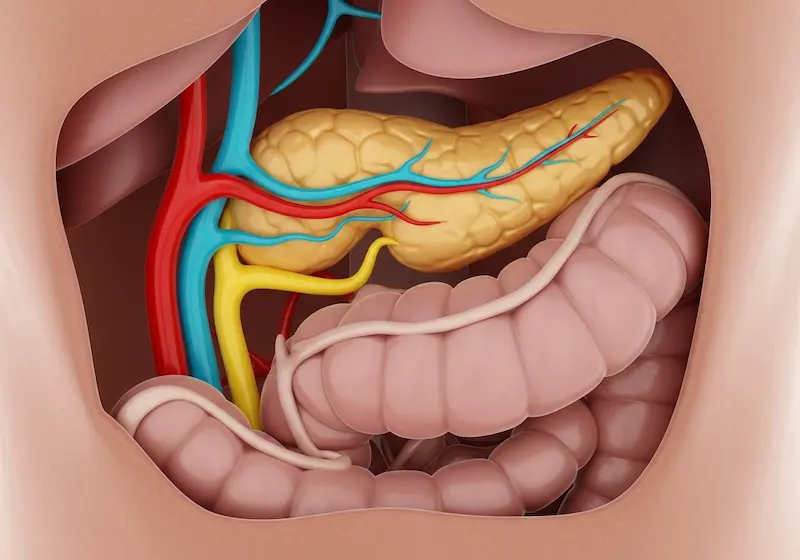
Deciding on a medical procedure abroad requires trust, clarity, and a deep understanding of the treatment you’re considering. For individuals exploring an ERCP procedure in Turkey, this means finding world-class care that is both accessible and affordable. This guide offers a comprehensive overview of endoscopic retrograde cholangiopancreatography (ERCP), a specialized technique used to diagnose and treat issues in the liver, gallbladder, bile ducts, and pancreas. We are a premier healthcare institution in Turkey, combining internationally accredited hospitals, board-certified surgeons, and a patient-first approach to ensure your health journey is seamless and successful. The choice to have an ERCP procedure in Turkey is a significant one,
Table of Contents
Understanding ERCP — Meaning, Indications & How Doctors Perform
Making an informed choice about your health starts with clear understanding. This section breaks down the essential details of the ERCP procedure. We will explain exactly what endoscopic retrograde cholangiopancreatography (ERCP) means, the specific medical reasons—or indications—for why doctors recommend it, and how it compares to other diagnostic tests like MRCP. The core purpose of an ERCP is to both find and fix problems within the bile and pancreatic ducts, such as removing stubborn gallstones. Understanding these fundamentals is the first step toward a successful ERCP procedure in Turkey.
What Is ERCP and Why Is It Used?
Key takeaway: Endoscopic Retrograde Cholangiopancreatography, or ERCP, is a highly specialized, minimally invasive procedure that gives doctors a direct view of the bile and pancreatic ducts. It is primarily used to both diagnose and treat conditions that obstruct or affect these vital channels, such as gallstones or tumors. The ERCP medical procedure combines two key technologies: endoscopy (using a thin, flexible tube with a camera) and fluoroscopy (a type of X-ray video). This dual approach is what makes the ERCP procedure so effective.
The ERCP meaning stems from its methodology: “Endoscopic” refers to the use of the endoscope. “Retrograde” means the doctor injects a special dye against the normal flow of bile and pancreatic juices. “Cholangiopancreatography” is the imaging of the bile ducts (cholangio) and pancreatic duct (pancreato). For anyone wondering what is ERCP procedure, it’s a powerful tool that helps gastroenterologists investigate symptoms like jaundice (yellowing skin), abdominal pain, or unexplained weight loss. An ERCP procedure in Turkey is a common and reliable method for addressing complex digestive health issues.
Diagnostic vs Therapeutic ERCP — Removing Gallstones, Treating Acute Pancreatitis
The primary strength of an ERCP is its dual capability. Initially, it serves as a powerful diagnostic tool, but it can instantly become a therapeutic intervention in the same session. This efficiency minimizes the need for multiple procedures, reducing patient risk and recovery time. If you require an ERCP procedure to remove gallstones, for instance, the surgeon can identify the blockage and extract the stones in a single appointment. This makes the ERCP procedure in Turkey a highly practical solution for international patients.
A therapeutic ERCP surgery can address a wide range of issues. Our specialists are highly experienced in performing these interventions, ensuring a high success rate for patients seeking an ERCP procedure in Turkey.
Quick list: Common therapeutic uses for ERCP:
- Gallstone Removal: Extracting stones that have moved from the gallbladder and become lodged in the bile duct.
- Stent Placement: Inserting a tiny tube (stent) to hold open a duct that has been narrowed by scar tissue or a tumor.
- Sphincterotomy: Making a small incision in the muscle at the opening of the ducts to improve drainage and remove stones.
- Treating Acute Pancreatitis: Relieving blockages that cause acute pancreatitis, a sudden and severe inflammation of the pancreas.
- Biopsy: Taking small tissue samples to test for cancer or other conditions.
MRCP vs ERCP: Key Differences Explained
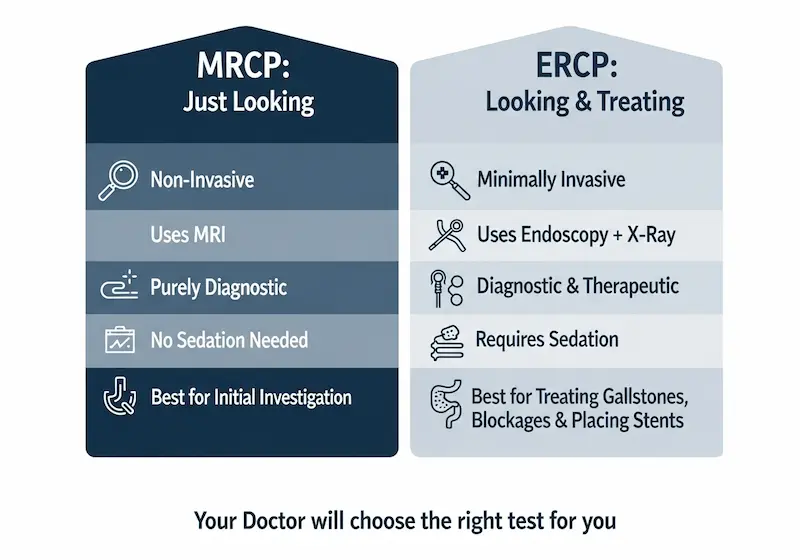
When researching the ERCP procedure, you may also come across the term MRCP. While both are used to examine the bile and pancreatic ducts, they are fundamentally different procedures. Understanding the distinction between MRCP vs ERCP is crucial for appreciating why your doctor may recommend one over the other. The main difference is that MRCP is purely a diagnostic imaging test, while ERCP can be both diagnostic and therapeutic.
Key takeaway: MRCP (Magnetic Resonance Cholangiopancreatography) is a non-invasive imaging scan, similar to a standard MRI. It uses magnetic fields and radio waves to create detailed pictures of your ducts. In contrast, an ERCP medical procedure is invasive; a doctor uses an endoscope to directly access and intervene in the ducts. This is why if a problem is found that needs immediate treatment, like removing gallstones, an ERCP is the preferred method. Choosing to have your ERCP procedure in Turkey means benefiting from technology and expertise that allow for immediate, effective treatment.
Here is a simple comparison table to clarify the differences:
| Feature | MRCP (Magnetic Resonance Cholangiopancreatography) | ERCP (Endoscopic Retrograde Cholangiopancreatography) |
| Primary Purpose | Purely Diagnostic (takes pictures) | Diagnostic & Therapeutic (takes pictures and treats issues) |
| Invasiveness | Non-invasive (like an MRI scan) | Minimally Invasive (requires an endoscope and sedation) |
| Technology Used | MRI (magnetic fields and radio waves) | Endoscopy and X-ray (fluoroscopy) |
| Anesthesia | Not typically required (unless for anxiety) | Sedation or general anesthesia is required |
| Key Advantage | No risk of complications like pancreatitis | Allows for immediate treatment during the procedure |
| Best For | Initial diagnosis of suspected ductal issues. | Confirmed blockages, removing gallstones, placing stents. |
Preparing for Your ERCP in Turkey
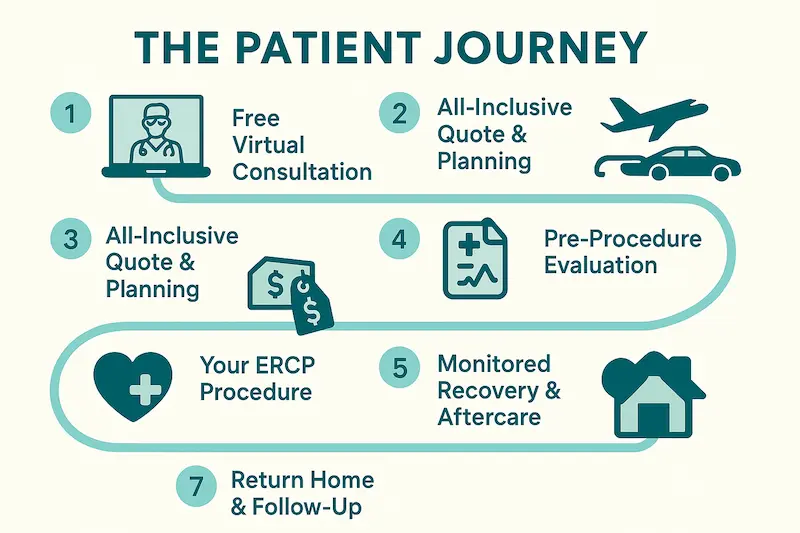
A successful medical journey begins long before you enter the hospital. Proper preparation is key to ensuring your ERCP procedure in Turkey is safe, effective, and stress-free. This section provides a clear roadmap for what to do before your trip, from selecting the right medical team to understanding the specific steps you’ll need to follow. Our dedicated patient care coordinators will guide you through every stage, ensuring you feel confident and supported from your initial consultation to your arrival in Turkey. A well-prepared patient is an empowered patient, and we are committed to providing you with all the necessary resources for your ERCP procedure.
Choosing the Best Hospital and Doctor for ERCP
Key takeaway: The single most important factor for a successful ERCP procedure in Turkey is the expertise of your medical team and the quality of the facility. The best hospital for ERCP procedure in Turkey will have international accreditations, such as from the Joint Commission International (JCI), which signifies a commitment to the highest standards of patient safety and care. Similarly, the best doctor for ERCP procedure in Turkey will be a board-certified gastroenterologist with fellowship training and extensive, high-volume experience specifically in performing endoscopic retrograde cholangiopancreatography.
When evaluating your options, look for transparent information about physician credentials and hospital quality metrics. An experienced surgeon not only achieves higher success rates but also significantly lowers the risk of complications. Studies have shown a direct link between the number of ERCP procedures a doctor performs and patient outcomes. Our institution prides itself on its team of highly seasoned specialists who have successfully performed thousands of complex ERCP medical procedure cases, making us a trusted choice for patients worldwide.
Pre-Procedure Steps, Anxiety Management & Patient Guide
Once you have chosen your team, the focus shifts to preparing your body and mind for the ERCP procedure. Our patient coordinators will provide you with a detailed guide, but the core instructions are universal. Managing pre-procedure anxiety is also a priority. We encourage open communication; no question is too small. Knowing what to expect can transform anxiety into confidence. A smooth preparation is vital for a successful ERCP procedure in Turkey.
- Step 1: Medication Review. You will need to discuss all your current medications with your coordinator, especially blood thinners (like warfarin or clopidogrel), insulin, and anti-inflammatory drugs. Adjustments may be needed several days before your ERCP.
- Step 2: Dietary Instructions. You must have an empty stomach for the procedure to be safe and effective. This typically means no solid food for at least eight hours beforehand and no liquids for four hours prior.
- Step 3: Logistical Planning. We assist with all travel and accommodation logistics. You should plan to have a companion travel with you, as you will not be able to drive or make important decisions immediately after the procedure due to the effects of sedation. Pack loose, comfortable clothing and all necessary medical documents.
Special Considerations for Women, Men & High-Risk Patients
Patient safety is our absolute priority, and we tailor our pre-procedure planning to your unique health profile. The preparation for an ERCP procedure in Turkey includes a thorough assessment to identify any specific risks. This personalized approach ensures the highest level of safety for every individual undergoing an ERCP surgery.
Quick list: Special considerations we review:
- For Women: If you are or could be pregnant, it is critical to inform your doctor. While X-rays are used in ERCP, precautions can be taken to protect the fetus. We will also discuss the procedure’s timing if you are breastfeeding.
- For Patients with Comorbidities: If you have a history of heart, lung, or kidney disease, a pre-procedure evaluation with a cardiologist or other specialist may be required to ensure you are fit for sedation and the procedure itself. This is a standard safety protocol for a high-quality ERCP procedure in Turkey.
- For Patients with a History of Pancreatitis: If you have had acute pancreatitis before, especially if it was related to a prior ERCP, your doctor will discuss specific strategies to minimize the risk of recurrence.
- For All Patients: We review your history of allergies, particularly to medications or the contrast dye used during the ERCP medical procedure, to prevent adverse reactions.
ERCP Procedure Costs in Turkey (and How to Avoid Hidden Fees)
Financial transparency is a cornerstone of trust in medical tourism. A key advantage of choosing to have your ERCP procedure in Turkey is the exceptional value it offers, combining world-class medical standards with significantly lower costs. This section provides a clear breakdown of the ERCP procedure costs, comparing prices with Western countries and explaining what is included in our all-inclusive packages. We believe in upfront, honest pricing with no surprises, allowing you to focus completely on your health and recovery during your ERCP medical procedure.
Price Comparison: Turkey vs USA, UK & Europe
Key takeaway: The most significant factor for patients choosing an ERCP procedure in Turkey is the dramatic cost savings. Patients can expect to save between 60-80% on their ERCP procedure costs compared to what they would pay in the United States, the UK, or other Western European nations. This price difference is not due to a lower quality of care but is a result of Turkey’s favorable economic factors, including lower operational costs and government support for health tourism.
The financial burden of a necessary medical intervention can be overwhelming. In the US, a therapeutic ERCP can cost well over $15,000, while in the UK or Germany, private procedure prices can easily exceed €8,000. Our institution offers a superior and more affordable alternative. Choosing an ERCP procedure in Turkey means you receive care from JCI-accredited hospitals with internationally trained surgeons for a fraction of the price, making essential treatment accessible.
| Country | Average Cost Range (USD) | Average Cost Range (EUR) |
| Turkey | $2,500 – $4,500 | €2,300 – €4,200 |
| United States | $12,000 – $25,000+ | €11,000 – €23,000+ |
| United Kingdom (Private) | $8,000 – $14,000 | €7,400 – €13,000 |
| Germany | $7,000 – $12,000 | €6,500 – €11,000 |
Note: These are estimated prices for a therapeutic ERCP and can vary based on case complexity.
What Drives ERCP Medical Procedure Pricing?
Understanding why the ERCP procedure costs are lower in Turkey is crucial for building confidence. The affordability of an ERCP procedure in Turkey is the result of a sensible economic structure, not a compromise on quality. Our hospitals are equipped with the same advanced endoscopic and fluoroscopic technology found in the top hospitals in the US and Europe. Our surgeons are often trained in these same Western countries and bring a wealth of experience to your care.
The main drivers behind our competitive pricing for the ERCP medical procedure include:
- Lower Operational Expenses: The costs for maintaining facilities, staffing, and administration are significantly lower in Turkey.
- Favorable Exchange Rates: For patients from the US, UK, and Eurozone, the currency exchange rate provides substantial purchasing power.
- Government Incentives: The Turkish government actively supports the health tourism sector, which helps to keep prices competitive.
- All-Inclusive Packaging: We create comprehensive packages that bundle services, leading to better overall pricing than à la carte services.
Cost Checklist — Anesthesia, Hospital Stay & Aftercare
Key takeaway: To avoid hidden fees, you must receive a detailed quote that outlines every aspect of your treatment plan. We provide a transparent, all-inclusive price for your ERCP procedure in Turkey, ensuring you have a complete financial picture before making a commitment. A reputable provider will never pressure you with vague or incomplete cost information. Your peace of mind is our priority when you come for an ERCP procedure.
Our all-inclusive packages for an ERCP procedure in Turkey are designed for clarity and convenience. Before you travel, you will receive a detailed cost breakdown that typically includes the following:
Cost Checklist:
- Surgeon & Specialist Fees: All costs related to the gastroenterologist, anesthesiologist, and any other consulting specialists.
- Hospital Charges: Use of the advanced endoscopy suite, technology, and all facility fees.
- Anesthesia Costs: The price of the sedative or general anesthesia administered for the ERCP.
- Standard Hospital Stay: Includes the cost of your private room, nursing care, and meals for the specified recovery period.
- Medications & Consumables: All standard medications, contrast dye, and any therapeutic devices (like a standard stent or balloon) used during the procedure.
- Pre- and Post-Procedure Consultations: Your initial evaluation and follow-up appointment with the surgeon.
- Airport & Ground Transfers: VIP transfers between the airport, hotel, and hospital.
- Translation Services: A dedicated interpreter to ensure seamless communication.
Inside the Suite — Step-by-Step ERCP Procedure & Immediate Recovery
Understanding what happens during the ERCP procedure can significantly ease any anxiety and help you feel more in control of your health journey. This section demystifies the experience, walking you through the process from the moment you enter the advanced endoscopy suite until you are resting in the recovery area. At our Turkish medical centers, the entire process is managed by a highly coordinated team of gastroenterologists, anesthesiologists, and nurses. For every patient undergoing an ERCP procedure in Turkey, our goal is a seamless, safe, and comfortable experience.
Sedation, Endoscopy & Fluoroscopy Explained
Key takeaway: The ERCP medical procedure is performed under sedation or general anesthesia to ensure you are completely comfortable and feel no pain. It combines a visual examination using a specialized camera (endoscopy) with real-time X-ray imaging (fluoroscopy). This powerful combination is how doctors perform ERCP to both see and treat problems inside your bile and pancreatic ducts. The entire process is a carefully orchestrated sequence of steps designed for maximum safety and effectiveness.
Here is a step-by-step guide to your ERCP procedure in Turkey:
- Step 1: Sedation. An anesthesiologist will administer medication through an IV line in your arm. You will fall into a peaceful, sleepy state. Your breathing, heart rate, and blood pressure will be continuously monitored throughout the entire ERCP procedure.
- Step 2: Endoscopy. Once you are sedated, the gastroenterologist will gently guide a thin, flexible tube called an endoscope through your mouth, down your esophagus, through your stomach, and into the first part of your small intestine (the duodenum). A tiny camera on the tip sends live video to a monitor.
- Step 3: Cannulation. The doctor locates the small opening where the bile and pancreatic ducts drain into the intestine. A smaller, soft tube (a catheter) is passed through the endoscope and carefully guided into the desired duct.
- Step 4: Fluoroscopy & Treatment. A special contrast dye is injected through the catheter. This dye makes the ducts visible on X-ray. The doctor uses these real-time X-ray images (fluoroscopy) to identify blockages like gallstones, narrowed areas, or tumors. If needed, tiny instruments are passed through the endoscope to perform treatment, such as removing stones or placing a stent.
Typical ERCP Procedure Time & Early Recovery Timeline
One of the most common questions from patients is about the duration of the procedure and the immediate aftermath. The ERCP procedure time itself is relatively short, and the initial recovery phase is closely monitored by our expert nursing staff. Knowing this timeline helps international patients plan their stay and understand what to expect on the day of their ERCP procedure in Turkey.
Key takeaway: A standard therapeutic ERCP procedure typically lasts between 30 and 90 minutes, depending on the complexity of the treatment required. Following the procedure, you will spend 1 to 2 hours in a specialized recovery room as the sedation wears off.
Early Recovery Timeline:
- During Procedure (30-90 mins): You will be comfortably sedated and unaware of the procedure.
- Immediate Post-Procedure (1-2 hours): You will be moved to a recovery area. Nurses will monitor your vital signs as the anesthesia wears off. You may feel groggy and bloated.
- Hospital Observation (4-24 hours): Most patients are observed for several hours after recovery to ensure there are no immediate complications. For more complex procedures or high-risk patients, an overnight hospital stay is standard practice for an ERCP procedure in Turkey. You will be given instructions on when it is safe to start drinking liquids and eating soft food.
Potential Risks — From Pancreatitis to Infection
While the ERCP procedure is a safe and effective treatment in the hands of an experienced specialist, it is important to be aware of the potential risks. Transparency about complications is a key part of responsible medical care. The most significant way to minimize What are the risks of ERCP? is by choosing a high-volume center with expert gastroenterologists, like ours in Turkey, where safety protocols are strictly followed.
Key takeaway: The most common complication of an ERCP is post-procedure pancreatitis, an inflammation of the pancreas. This occurs in approximately 3-5% of patients, and is typically mild, resolving with supportive care in the hospital. Other risks are less common but are carefully monitored for.
Quick List of Potential Risks:
- Acute Pancreatitis: The most frequent risk. Symptoms include worsening abdominal pain, nausea, and vomiting. Our team uses proven techniques, such as placing temporary pancreatic stents in high-risk cases, to reduce this risk during your ERCP procedure in Turkey.
- Infection: Infection of the bile ducts (cholangitis) can occur, especially if a blockage is not fully relieved. This is often treated with antibiotics.
- Bleeding: Minor bleeding can occur, particularly if an incision is made (sphincterotomy), but it usually stops on its own.
- Perforation: In very rare cases (less than 1%), a small tear in the wall of the intestine or bile duct can occur, which may require surgical repair.
Post-ERCP Care, Long-Term Outcomes & Lifestyle
The success of your ERCP procedure extends beyond the hospital walls and into your recovery period and long-term health. Following post-procedure guidelines is crucial for a smooth healing process and for maximizing the benefits of your treatment. This section outlines what to expect after your procedure, from recovery timelines to dietary advice. Our commitment to your well-being continues after your ERCP procedure in Turkey, with our team providing clear instructions and support to ensure you achieve the best possible long-term outcomes.
How Long Is Recovery After ERCP?
Key takeaway: Most patients recover quickly from an ERCP procedure, with the ERCP procedure recovery time varying from a few days to a week. While you can typically resume most normal activities, like office work, the day after the procedure, you should plan to “take it easy” for several days. This means avoiding strenuous exercise, heavy lifting, and demanding physical tasks. Listening to your body is essential for a safe and speedy recovery after your ERCP procedure in Turkey.
A common question is, “how long is recovery after ERCP?” Here is a general timeline you can expect:
- First 24-48 Hours: This is a critical rest period. You may have a mild sore throat from the endoscope and feel bloated or groggy from the sedation. You will need someone to stay with you. Rest is your top priority.
- First Week: You should feel progressively better each day. Any bloating should subside, and your energy levels will return. By the end of the week, most patients feel back to normal. If you had a therapeutic intervention like a sphincterotomy, your doctor might advise a longer period of light activity.
- Returning to Work: For desk jobs, most people can return to work within 2-3 days. For jobs that require physical labor, you should plan to take at least one week off.
Nutrition, Activity & Follow-Up Imaging
Proper self-care after your ERCP is vital for healing and preventing complications. Your medical team will provide personalized instructions, but general guidelines on diet, activity, and follow-up are fairly standard. Adhering to these recommendations is a key part of your successful ERCP procedure in Turkey. You will be given a detailed discharge summary with specific advice before you leave the hospital.
Quick List: Post-ERCP Guidelines
- Nutrition: Your diet will advance in stages.
- Day 1: Start with clear liquids (water, broth, clear juice). This gives your digestive system a rest.
- Day 2-3: Progress to a soft, low-fat diet (e.g., yogurt, mashed potatoes, soup, oatmeal). This is especially important to avoid irritating the pancreas.
- Thereafter: Gradually return to your normal diet as tolerated, but continuing a low-fat diet is often recommended, especially if your ERCP was for gallstones or acute pancreatitis.
- Activity:
- Rest for the remainder of the day after your procedure.
- Avoid driving, operating machinery, or signing legal documents for 24 hours due to sedation.
- Walk around lightly to help with gas and bloating, but avoid strenuous exercise for at least 3-5 days.
- Follow-Up: Follow-up is crucial. If a plastic stent was placed during your ERCP medical procedure, it must be removed, typically in another endoscopic procedure 2-3 months later. Our team will coordinate this with you.
Sustaining Benefits & Preventing Recurrence
The long-term goal after an ERCP procedure is not just to fix the immediate problem but to maintain your digestive health and prevent recurrence. An ERCP surgery is a powerful intervention, and its benefits can be sustained through mindful lifestyle choices. For many conditions, like recurrent bile duct stones or pancreatitis, your actions after the procedure play a significant role in your future health. A successful ERCP procedure in Turkey is the first step toward lasting wellness.
To sustain the benefits of your ERCP, consider the following:
- Dietary Modifications: If you had gallstones, adopting a permanently low-fat, high-fiber diet can reduce the risk of new stones forming. This means limiting fried foods, fatty meats, and full-fat dairy products.
- Healthy Weight Management: Maintaining a healthy weight through balanced nutrition and regular exercise is one of the most effective ways to prevent both gallstones and pancreatitis.
- Limit Alcohol: If you have had pancreatitis or have pancreatic duct issues, avoiding alcohol is strongly recommended as it can be a major trigger for flare-ups.
- Stay Hydrated: Drinking plenty of water is essential for overall digestive health. Our medical team provides counseling on these lifestyle changes to help you protect the investment you’ve made in your health with an ERCP procedure in Turkey.
Frequently Asked Questions About ERCP in Turkey
Choosing to travel for a medical procedure naturally comes with many questions. In this final section, we have compiled answers to some of the most common queries we receive from international patients. We believe that clear, direct information is essential for your peace of mind. Our goal is to ensure you feel completely informed and confident about every aspect of your ERCP procedure in Turkey, from the medical science to the practical details of your recovery.
Can ERCP Detect Pancreatic Cancer Early?
Key takeaway: While ERCP is not a screening tool for early pancreatic cancer in the general public, it plays a vital role in diagnosis when cancer is suspected. If other imaging tests like a CT scan or MRI show a suspicious mass or stricture (narrowing) in the pancreatic duct, an ERCP is often the next step. Its primary advantage is that it allows doctors to collect tissue samples for a definitive diagnosis.
During an ERCP procedure in Turkey, the surgeon can use specialized tools to perform a “brush cytology” (using a small brush to collect cells) or a direct biopsy from inside the duct. This tissue is then analyzed by a pathologist to confirm or rule out cancer. In this way, an ERCP procedure is a critical diagnostic tool for patients who have symptoms or imaging findings that are concerning for pancreatic cancer. It provides the clear answers needed to plan the right treatment.
Is ERCP Considered Surgery?
Key takeaway: The ERCP medical procedure is best described as a minimally invasive therapeutic procedure, not a traditional surgery. It does not involve the large external incisions that most people associate with the word “surgery.” However, because it is invasive (an instrument enters the body) and involves therapeutic interventions, it is sometimes referred to as ERCP surgery.
To clarify, an ERCP procedure is performed through a natural opening (the mouth) using an endoscope. The “surgical” part refers to actions performed inside the body, such as cutting the bile duct muscle (sphincterotomy) or placing a stent. These actions require the same level of skill and precision as surgery but avoid the need for external cuts, leading to a much faster recovery. An ERCP procedure in Turkey is a modern hybrid of advanced diagnostics and minimally invasive intervention.
ERCP Procedure Recovery Time — What to Expect
Key takeaway: The total ERCP procedure recovery time is typically about one week for a full return to all normal activities. Most patients feel significantly better within 2-3 days but are advised to avoid strenuous activity for at least a week. The immediate recovery from sedation takes only a few hours in the hospital.
Here is a summary of what to expect from your ERCP procedure recovery time:
- Day of Procedure: Rest is mandatory. You will feel groggy and bloated.
- Days 2-3: You can return to light activities and office-based work. Stick to a soft, low-fat diet.
- Days 4-7: You should feel close to normal. You can gradually increase your activity levels and resume a more normal diet as tolerated. This efficient recovery makes an ERCP procedure in Turkey a convenient option for international patients who need effective treatment with minimal downtime.
Patient Testimonials & Clinic Reviews
Hearing from others who have walked the same path can be incredibly reassuring. The positive experiences of our former patients are the strongest testament to the quality of care you can expect when choosing an ERCP procedure in Turkey. Our commitment to excellence is reflected in their feedback, highlighting our expert surgeons, modern facilities, and compassionate patient support.
Quick List: What Our Patients Say
- “From the moment I contacted them from the UK, the process was seamless. My patient coordinator handled everything, from my medical records to my airport transfers. Dr. [Surgeon’s Last Name] was brilliant; he explained the entire ERCP and removed my painful gallstone with no issues. The hospital was cleaner than any I’ve seen back home. The value and quality of my ERCP procedure in Turkey were outstanding.”
— David R., Manchester, UK - “I was terrified about my diagnosis and the need for an ERCP procedure. The team in Turkey was so empathetic. They answered all my questions and calmed my fears. The procedure itself was painless, and the recovery was faster than I expected. I am so grateful for the world-class care I received.”
— Fatima A., Dubai, UAE - “As an American without great insurance, the cost of an ERCP was impossible back home. Finding this clinic in Turkey was a lifesaver. I received the same high-quality ERCP medical procedure from a US-trained doctor for a fraction of the price. The all-inclusive package meant there were no surprise bills. I can’t recommend the ERCP procedure in Turkey enough.”
— Brian S., Ohio, USA
Explore Our Other World-Class Medical Services
Your journey to health and wellness with us doesn’t stop at gastroenterology. Our institution is a comprehensive center of excellence, offering a wide array of advanced medical and surgical treatments that attract patients from all over the globe. The same commitment to quality, affordability, and patient-centered care that defines our ERCP procedure in Turkey is evident across all our specialties. We invite you to explore other treatments for which Turkey is a world-renowned destination.
Quick list: Other Leading Treatments We Offer:
- Neurosurgery: Our expert neurosurgeons perform complex procedures such as discectomy surgery, spinal tumor surgery, scoliosis surgery, and brain tumor surgery using the latest minimally invasive techniques.
- Organ Transplantation: We are home to a leading liver transplant program with success rates that meet and often exceed global standards.
- Oncology: Our oncologists provide comprehensive liver tumor treatment and other cancer therapies, from advanced diagnostics to targeted treatments.
- Plastic Surgery: A full suite of plastic surgery procedures is available, from reconstructive work to aesthetic enhancements, all performed by board-certified surgeons.