
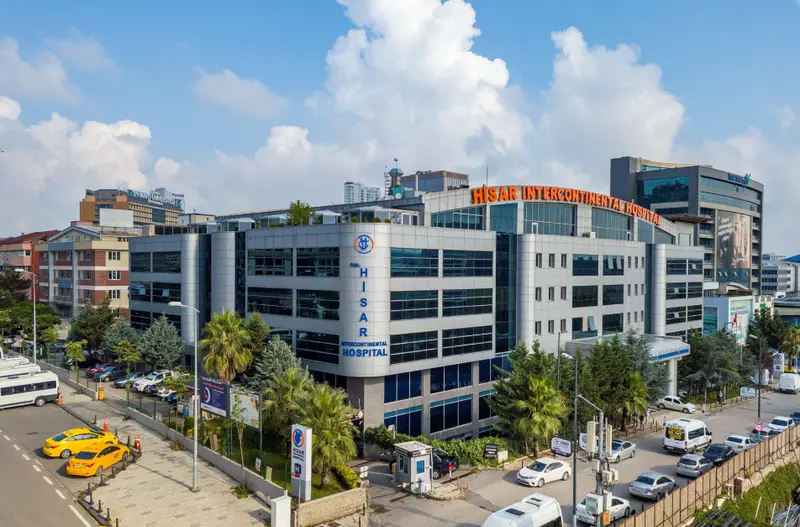
Hisar Hospital Intercontinental
Ümraniye, Istanbul
- JCI accredited
- Accreditations: ISO 9001, ISO 27001
- Part of Hisar Hospital
- 212 beds
Languages: English, Arabic, Russian, German, Albanian, French and 8 more

On 21 November 2026, Fibohealth listed 116 partner facilities and 629 doctors in oncology, the medical area this site lists Biopsy under.
Biopsy in Turkey has become a preferred choice for international patients seeking accurate diagnoses and comprehensive healthcare solutions. Known for advanced technology, skilled specialists, and exceptional patient care standards, Turkey offers diverse biopsy options, including needle biopsy, surgical biopsy, endoscopic biopsy, and advanced imaging-guided techniques. With globally recognized oncology centers and cost-effective, all-inclusive medical packages, Turkey ensures safety, comfort, and precision. This guide explores the detailed procedures, benefits, potential risks, and aftercare related to biopsies performed in Turkey, enabling patients to make informed decisions about their health care journey.
A biopsy is a medical procedure involving the removal of tissue samples from the body for detailed examination under a microscope. Its primary purpose is diagnosing various medical conditions, particularly cancer, infections, and inflammatory diseases. Understanding biopsy definition is crucial as it clarifies why healthcare providers may recommend such procedures. Simply put, a biopsy provides a definitive diagnosis by directly observing and analyzing cellular abnormalities, distinguishing between benign (non-cancerous) and malignant (cancerous) conditions.
This procedure is essential in oncology, dermatology, nephrology, hepatology, gynecology, and various other specialties, aiding in formulating precise treatment plans tailored specifically to the patient’s condition. The method and approach of biopsies differ significantly based on the targeted organ or tissue and the suspected condition, highlighting their diagnostic versatility and indispensability.

What is a Biopsy?
A biopsy procedure varies based on the type of tissue targeted, its location, and the purpose of diagnosis. Despite these differences, most biopsies follow a fundamental principle: obtaining tissue samples with minimal discomfort and maximal accuracy.
Before any biopsy, healthcare providers typically perform diagnostic imaging such as MRI, CT scans, or ultrasounds to accurately guide the biopsy needle or surgical instruments, enhancing precision and patient safety. The procedure is commonly carried out under local anesthesia, although some, like surgical biopsies, may require general anesthesia.
Typical Steps of a Biopsy Procedure Include:
1. Preparation and anesthesia: Patients are comfortably positioned, and the biopsy area is sterilized. Local anesthesia numbs the area, ensuring minimal pain.
2. Tissue extraction: Depending on the method—whether it’s a fine needle aspiration biopsy, core needle biopsy, surgical biopsy, or others—the tissue is carefully extracted. For example, a core needle biopsy uses a larger needle to collect a more substantial tissue sample, offering higher diagnostic accuracy.
3. Post-biopsy procedures: After obtaining the sample, the puncture site is covered with sterile dressing. Depending on the biopsy site and complexity, patients may either return home immediately or require brief monitoring.
A needle biopsy is one of the least invasive techniques, employing a thin, hollow needle to collect tissue samples. Types include fine needle aspiration biopsy (FNA biopsy), ideal for fluid-containing lesions like cysts, and core needle biopsy, suited for more solid tissue samples.
A surgical biopsy involves removing a larger tissue sample or even entire lumps through surgery, typically under general anesthesia. This method provides comprehensive samples beneficial for accurate diagnosis.
This technique involves the use of a flexible, thin tube equipped with a camera (endoscope) to visualize internal organs directly, allowing precise biopsy sampling. It is commonly employed in gastrointestinal, respiratory, and urinary tract investigations.
Often performed during gastroscopy, a stomach biopsy detects conditions like gastritis, ulcers, and stomach cancers.
Conducted during colonoscopies, a colon biopsy helps diagnose colorectal cancers and inflammatory bowel disease.
A lung biopsy diagnoses various lung conditions, including lung cancer and pulmonary fibrosis, via bronchoscopy.
Performed via cystoscopy, bladder biopsies diagnose bladder cancer and inflammatory conditions of the urinary bladder.
These techniques are pivotal in dermatological diagnoses, especially for detecting skin cancers.
A punch biopsy involves using a circular blade to extract cylindrical skin samples for deep skin tissue evaluation.
This method involves using a scalpel to shave off superficial layers of skin, useful for diagnosing superficial skin lesions.
This involves removing the entire suspicious skin lesion, providing complete samples for thorough examination and treatment.
A non-invasive alternative increasingly popular for detecting circulating tumor cells or DNA fragments from blood samples, crucial for personalized cancer therapy and monitoring treatment response.
Advanced biopsy techniques leverage imaging technologies, enhancing precision in sample collection.
Utilizes ultrasound imaging to guide needle placement accurately, common in breast, liver, thyroid, and renal biopsies.
Computed tomography imaging precisely locates deep-seated or hard-to-reach lesions, significantly improving diagnostic accuracy.
MRI imaging ensures precise sampling from complex and sensitive areas, typically used in breast biopsies.
Real-time x-ray imaging guides precise biopsy needle placement, particularly beneficial in lung and bone biopsies.
Specifically, a stereotactic breast biopsy or ultrasound-guided method assists in accurately diagnosing breast lesions or tumors detected by mammography or ultrasound.
The liver biopsy procedure assesses liver diseases like cirrhosis, hepatitis, or cancer, providing critical insights for targeted treatments.
Critical for diagnosing prostate cancer, the prostate biopsy procedure involves extracting tissue samples using guided imaging techniques, typically ultrasound.
Used to diagnose cervical abnormalities following abnormal Pap smear results, identifying cervical precancerous conditions and cancers.
A renal biopsy evaluates kidney disorders like glomerulonephritis and nephrotic syndrome, guiding effective management strategies.
Utilizing fine needle aspiration biopsy, thyroid biopsies effectively differentiate benign from malignant nodules.
Typically performed as an endometrial biopsy, it diagnoses uterine abnormalities, including endometrial hyperplasia or uterine cancer.
A specific liver-focused procedure, assessing liver tissue closely for diseases like hepatitis or hepatic cancer.

Bone Marrow Biopsy
A bone marrow biopsy is a specialized procedure that involves extracting marrow tissue from inside the bones to diagnose various blood and marrow-related conditions, such as leukemia, lymphoma, anemia, and bone marrow disorders. This biopsy method provides vital insights into the health and functionality of bone marrow, helping physicians establish accurate diagnoses and determine suitable treatment strategies.
In Turkey, bone marrow biopsies are performed by highly experienced hematologists and oncologists using advanced sterile techniques to minimize discomfort and infection risks. The bone marrow biopsy procedure typically involves inserting a specially designed biopsy needle into the pelvic bone (posterior iliac crest) or occasionally the sternum to extract marrow samples for laboratory analysis.
Post-biopsy, patients might experience minor soreness at the site, manageable with mild analgesics and appropriate aftercare instructions. Hospitals in Turkey are equipped with modern diagnostic laboratories ensuring rapid and accurate results, significantly contributing to effective treatment plans and timely interventions.
On 21 November 2026, Fibohealth listed 116 partner facilities and 629 doctors in oncology, the medical area this site lists Biopsy under.
Ümraniye, Istanbul
Languages: English, Arabic, Russian, German, Albanian, French and 8 more
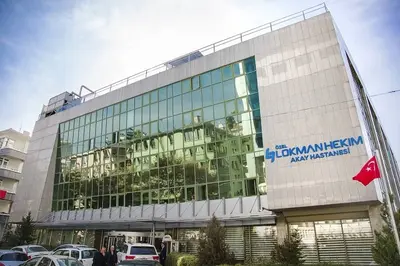
Çankaya, Ankara
Languages: English, German, Russian, Arabic, Albanian, French and 3 more
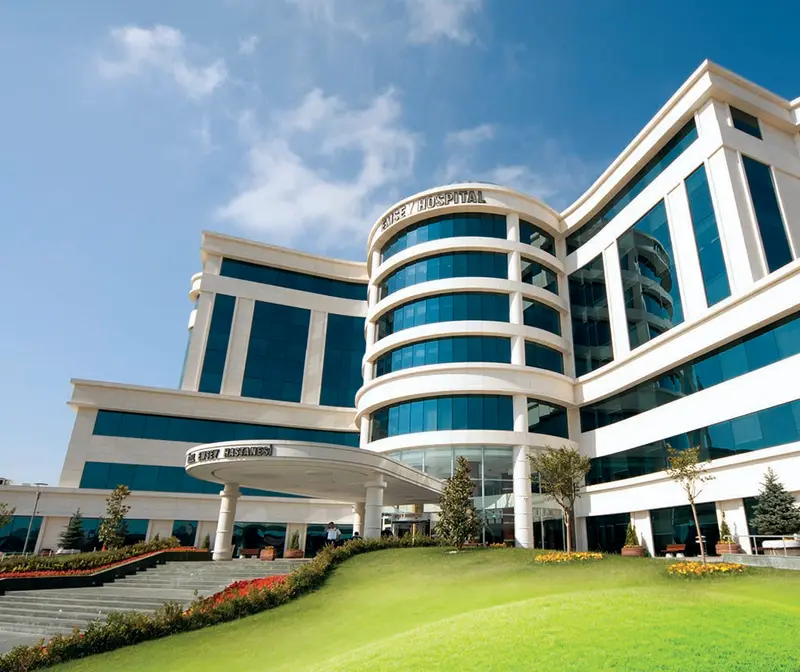
Pendik, Istanbul
The first 3 facilities of the oncology list, in the list’s default order. The order says nothing about the quality of care. The list is kept by medical area and not by single treatment.
Treatment is provided by the clinics listed. Fibohealth is an authorised health tourism intermediary and does not provide medical services.
An endometrial biopsy involves sampling tissue from the inner lining of the uterus (endometrium) to investigate abnormal uterine bleeding, infertility, or uterine cancers. Often indicated for conditions like endometrial hyperplasia, uterine fibroids, or endometriosis, this biopsy plays a pivotal role in diagnosing uterine pathology effectively.
The procedure is minimally invasive and typically performed on an outpatient basis, often without anesthesia or under local anesthesia due to minimal discomfort. In Turkey, gynecological specialists carefully insert a thin biopsy instrument through the cervix to obtain a small tissue sample from the uterine lining (uterine lining biopsy). Patients may experience mild cramping or spotting following the procedure, usually resolving within a few hours.
While concerns about endometrial biopsy pain are common, discomfort is generally brief and manageable. Turkish clinics focus strongly on patient comfort, providing pre-procedure counseling and pain management strategies to ensure a comfortable experience.
A prostate biopsy is essential in diagnosing prostate cancer, one of the most common cancers affecting men globally. Despite common misconceptions, modern prostate biopsy techniques in Turkey are highly sophisticated, minimally invasive, and safe, offering accurate diagnostic outcomes with minimal risks and discomfort.
Typically conducted under ultrasound guidance, a prostate biopsy involves the insertion of a biopsy needle through the rectal wall (transrectal ultrasound-guided biopsy) to precisely extract prostate tissue samples. Contrary to widespread anxiety surrounding the procedure, modern anesthetic approaches significantly mitigate discomfort, making it manageable for most patients. Turkey’s urologists and oncologists emphasize patient education, clearly communicating risks, benefits, and procedure steps, significantly reducing anxiety and enhancing patient confidence.
Complications like infection or significant bleeding are rare, especially when conducted in high-standard clinical settings prevalent across Turkey’s medical institutions. Post-biopsy symptoms such as mild soreness, slight bleeding in urine or semen, and temporary urinary discomfort typically subside within days.
Proper preparation is critical for a successful and smooth biopsy experience in Turkey. Here are essential guidelines patients should follow to ensure optimal outcomes:
• Medical History Review: Clearly communicate your full medical history, medication list, and allergies to your medical team.
• Medication Adjustment: Your physician may advise temporarily discontinuing blood-thinners or specific medications to reduce bleeding risks.
• Fasting Instructions: Certain biopsies, such as stomach or liver biopsies, may require fasting for several hours beforehand to minimize complications.
• Comfortable Attire: Wear loose, comfortable clothing for easy access to the biopsy site and convenience during recovery.
• Arranging Transportation: It’s advisable to arrange for transportation post-procedure, especially if sedation or anesthesia is involved.
• Clarifying Questions: Discuss your concerns or queries with your medical provider beforehand, ensuring clarity and reducing anxiety.
Turkish healthcare facilities prioritize thorough patient preparation, ensuring patients are physically and psychologically ready, significantly enhancing the overall biopsy experience.
Biopsy procedures, despite differences based on targeted tissues, follow these general sequential steps:
1. Initial Consultation: Comprehensive review of medical history, symptoms, and necessity for biopsy.
2. Pre-procedural Imaging: Imaging techniques like ultrasound, CT, or MRI precisely identify biopsy locations.
3. Anesthesia Administration: Local or general anesthesia is administered according to procedure complexity.
4. Sterilization: The biopsy site is thoroughly sterilized to prevent infection.
5. Biopsy Execution: The appropriate biopsy instrument (core biopsy needle, surgical instruments, or endoscopic devices) is precisely positioned to extract adequate tissue samples.
6. Sample Handling: Samples are promptly sent to laboratories for pathological evaluation.
7. Post-procedure Care: Immediate aftercare involves applying sterile dressings, brief observation, pain management, and providing clear recovery instructions.
8. Follow-up: Results are typically discussed during a follow-up consultation to determine subsequent medical actions or treatment strategies.
Although generally safe, biopsies can present minor risks or complications, which Turkish healthcare providers transparently discuss with patients before proceeding. Potential risks include:
• Bleeding: Minor bleeding or bruising is common, particularly with invasive biopsies like liver or kidney procedures.
• Infection: Rare but preventable through strict sterile protocols followed in Turkish hospitals.
• Pain or Discomfort: Typically manageable with analgesics, although brief discomfort during needle insertion may occur.
• Damage to Nearby Tissues: Very rare with modern image-guided biopsy methods, reducing risks significantly.
• Adverse Reactions to Anesthesia: Possible but rare, managed effectively by experienced anesthesiology teams in Turkey.
Patients are closely monitored post-procedure, with Turkish medical facilities known for meticulous post-biopsy care and effective risk mitigation strategies.
Identifying ideal candidates for undergoing a biopsy in Turkey typically involves patients exhibiting suspicious or unclear medical symptoms suggestive of serious health conditions like cancer, inflammatory diseases, or infections. Ideal candidates include:
• Individuals with unexplained lumps, growths, or masses detected through physical exams or imaging.
• Patients exhibiting abnormal diagnostic test results (such as abnormal mammograms or elevated PSA levels indicating potential prostate issues).
• Patients experiencing persistent unexplained symptoms like chronic pain, swelling, abnormal bleeding, or drastic weight loss.
• Individuals who have a history of cancer or chronic inflammatory diseases, needing regular monitoring and evaluation through biopsies.
• International patients seeking high-quality medical services combined with affordability, technology-driven diagnostics, and specialized oncology care offered extensively in Turkey.
Healthcare providers in Turkey thoroughly evaluate each patient’s medical history, current health conditions, and diagnostic needs to determine their suitability for specific biopsy procedures, ensuring personalized, effective diagnostic care.
Choosing to undergo a biopsy in Turkey provides numerous compelling advantages, making it increasingly attractive to international medical tourists. Key benefits include:
• Advanced Medical Technology: Turkish clinics utilize state-of-the-art imaging and biopsy technologies, significantly improving diagnostic accuracy and reducing procedural risks.
• Experienced Medical Professionals: Turkey hosts internationally recognized oncologists, radiologists, pathologists, and surgeons experienced in conducting various biopsy types.
• Rapid Diagnostic Results: Quick turnaround for biopsy results through advanced laboratory services, enabling prompt treatment decisions and better patient outcomes.
• Cost-effectiveness: Biopsy cost in Turkey is considerably lower compared to European and North American healthcare systems, making it accessible without compromising quality.
• Comprehensive Care: Clinics in Turkey offer holistic patient support, including multilingual patient coordinators, personalized aftercare, and detailed follow-up care plans.
• International Accreditation: Many hospitals and oncology centers hold international accreditations like JCI (Joint Commission International), ensuring rigorous global standards of patient safety and care.
Your request comes to Fibohealth first: a coordinator checks it and forwards it to partner clinics. We aim to send up to 3 quotes from partner clinics within 24 hours. No platform fee.
Recovery and aftercare following a biopsy procedure in Turkey are managed meticulously to ensure patient comfort and swift healing. Typical aftercare recommendations include:
• Rest and Observation: Short-term monitoring immediately post-procedure in a comfortable, hygienic clinical environment.
• Pain Management: Mild analgesics prescribed to manage any discomfort, typically subsiding within a few days.
• Wound Care Instructions: Clear instructions provided for wound cleaning, dressing changes, and recognizing potential complications like infection or excessive bleeding.
• Activity Restrictions: Patients are generally advised to limit strenuous physical activities for several days to facilitate healing and minimize complications.
• Follow-up Appointments: Scheduled to discuss biopsy results, ongoing treatment plans, or further diagnostic steps necessary based on findings.
• Clear Communication: Turkish medical providers maintain open communication channels for patient concerns or emergencies, ensuring peace of mind throughout recovery.
Biopsy procedures in Turkey adhere strictly to international clinical standards, prioritizing patient safety, procedural accuracy, and comfort. From initial consultation and detailed imaging studies to precise biopsy sampling and follow-up pathology assessments, each stage is executed by highly specialized medical professionals.
Selecting a suitable oncology clinic in Turkey involves considering critical factors such as accreditation, specialist expertise, patient satisfaction, and the technology available. Turkish oncology clinics provide comprehensive biopsy services, employing advanced diagnostic technologies like stereotactic breast biopsy, MRI-guided biopsy, and CT-guided biopsy. Patients frequently praise clinics in Istanbul for their quality, comprehensive care services, and integrated oncology departments.
Choosing a suitable oncologist in Turkey is essential to ensure expert care. Turkey is home to internationally acclaimed oncologists and specialists in biopsy procedures who are known for their meticulous approach, clinical accuracy, and personalized patient interactions. These specialists work collaboratively with multidisciplinary teams, including radiologists, pathologists, and surgeons, providing integrated diagnostic care and treatment planning, significantly enhancing patient outcomes and satisfaction.
Many healthcare providers in Turkey offer comprehensive, all-inclusive biopsy packages designed for international patients. These packages typically include:
• Pre-procedural consultation and necessary imaging tests.
• Complete biopsy procedure including anesthesia, surgical fees, and disposable medical supplies.
• Laboratory analysis and pathology reporting.
• Post-procedure follow-up consultations and care services.
• Airport transfers, accommodation support, and patient coordination services for international patients.
These packages simplify medical tourism logistics, providing transparent and cost-effective solutions, making Turkey an attractive destination for biopsy procedures.

Biopsy Cost in Turkey
One significant reason for Turkey’s growing popularity in medical tourism is the competitive biopsy cost in Turkey, often significantly lower compared to Western countries without compromising quality or accuracy. Factors influencing biopsy pricing include the type of biopsy (e.g., bone marrow biopsy, breast biopsy, or liver biopsy), complexity, clinic choice, location within Turkey (with biopsy in Istanbul typically being most sought-after), and whether additional services such as imaging, anesthesia, and pathology evaluations are included. Generally, Turkey provides an exceptional balance of affordability and clinical excellence, highly attractive for medical tourists.
Safety remains a paramount concern among international patients considering medical procedures abroad. Undergoing a biopsy in Turkey is considered very safe, provided patients select reputable, accredited clinics and experienced specialists. Turkey’s healthcare system is recognized globally for its stringent regulatory oversight, high professional standards, and strict infection control protocols.
Accredited facilities in Turkey consistently demonstrate high safety standards, adhering strictly to international medical and ethical guidelines. Moreover, ongoing training, advanced equipment, and well-equipped hospitals significantly mitigate risks associated with biopsies. Patient reviews, testimonials, and accreditation status of clinics and specialists further support Turkey’s reputation as a safe destination for medical care, including biopsies.
The duration of a biopsy in Turkey varies depending on the biopsy type but typically ranges from 15 minutes for simpler needle biopsies up to an hour or more for surgical or image-guided biopsies.
There are no strict age limitations for a biopsy in Turkey. Eligibility depends on medical necessity and individual health conditions, evaluated thoroughly by experienced medical professionals.
Yes, international patients can conveniently schedule a biopsy in Turkey. Clinics typically provide comprehensive support, including scheduling assistance, travel arrangements, and aftercare services.
Most patients do not require hospitalization after a biopsy in Turkey. Outpatient biopsies are common, but overnight stays might be recommended for complex procedures or patient-specific conditions.
Absolutely, patients undergoing a biopsy in Turkey have easy access to second opinions from internationally recognized specialists, ensuring confidence in diagnostic results and treatment plans.
Local anesthesia is standard for most minimally invasive biopsy in Turkey procedures. However, general anesthesia or sedation may be utilized depending on the biopsy’s complexity and patient preference.
Yes, comprehensive follow-up care after your biopsy in Turkey is readily accessible. Clinics ensure effective post-procedure monitoring, recovery guidance, and continuous patient support services.
Yes. Biopsy reports and pathology results from Turkey are internationally accepted, adhering to global medical standards and accuracy, thus trusted by healthcare providers worldwide.
Discomfort is usually minimal, with local anesthetics or sedation effectively managing pain, ensuring most patients experience only minor or brief discomfort during the procedure.
Absolutely. Turkey boasts internationally recognized oncologists, radiologists, surgeons, and specialists extensively experienced in performing even the most complex biopsy procedures.
Results vary from person to person. This page is general information and does not replace a consultation with a doctor.